Yum report shows rising demand for customization, sauces at Taco Bell
Customization is now the real value proposition at Taco Bell, and the pressure lands on crews every time a guest wants a sauce, a modifier, or a made-to-order build.
At Taco Bell, the menu is being shaped less by a single bestseller than by a simple customer demand: let me control it. Yum Brands’ first public trends report says that appetite for customization is not a niche habit anymore, and Taco Bell’s own digital features show how central personalization has become to the brand’s sales mix.
Why Yum’s report matters inside Taco Bell
Yum released the report on December 10, 2025, with its internal strategy agency, Collider Lab, and said it drew on proprietary insights from more than 62,000 restaurants in over 155 countries and territories. For operators, that matters because it turns a long-running internal trends tool into a public signal about where the company thinks dining is headed in 2026.
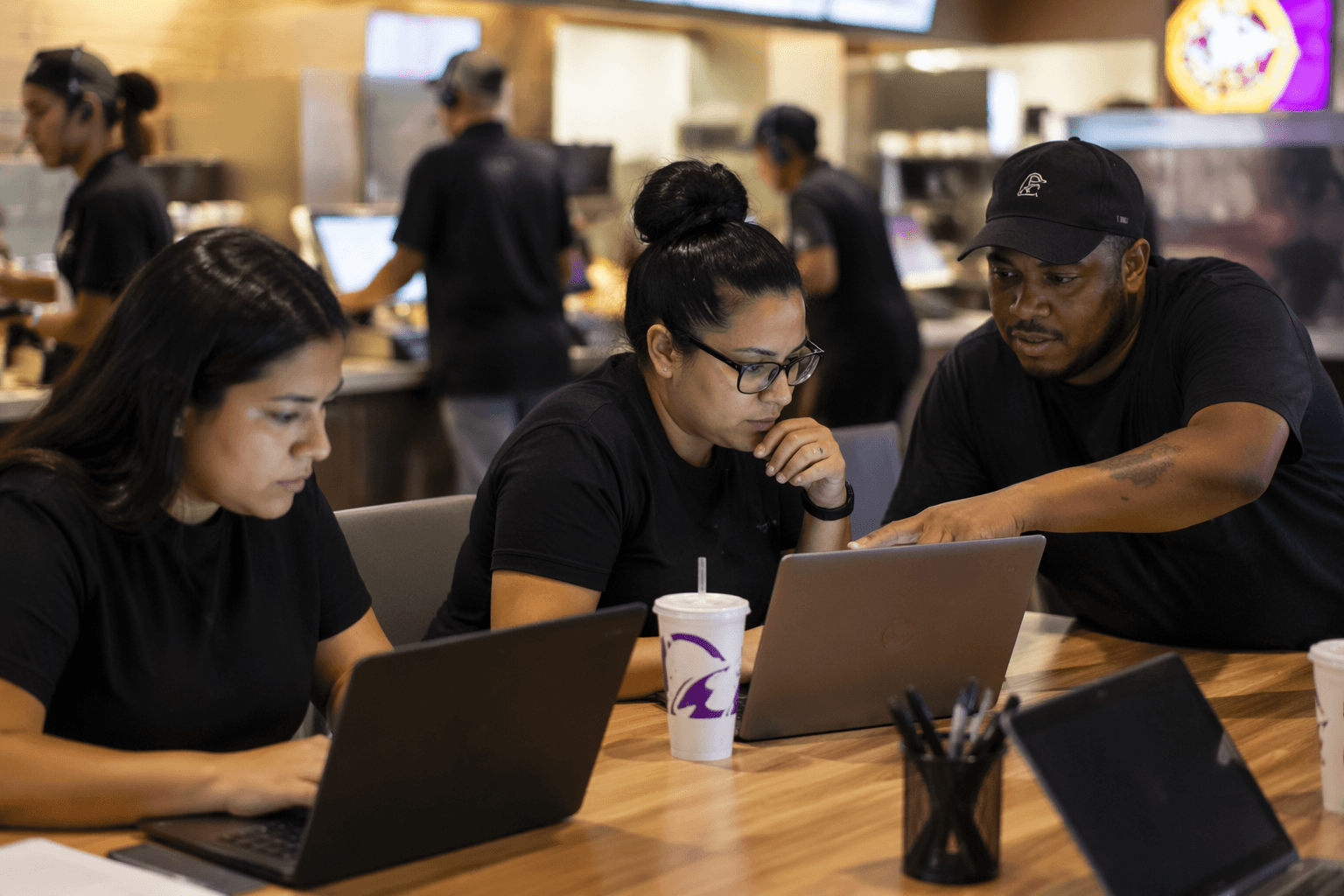
The report is useful to workers because it explains the demand side of the business. When a guest expects more choice, the line, the screen, the prep table, and the drive-thru all have to support that expectation without slowing down the order flow. That is especially true at Taco Bell, where the brand has built much of its identity around mix-and-match meals, add-ons, and digital builds rather than fixed, one-size-fits-all combos.
Consumers want control, not just value
One of the clearest findings is the rise of solo dining. Solo orders have increased by 52% since 2021 and now account for 47% of quick-service dining occasions, up from 31% in 2021. That shift helps explain why guests are increasingly acting like personal curators, not just bargain hunters.
The report’s broader message is that customization is now part of the value equation. Taco Bell’s build-your-own offerings generate 72% positive sentiment, which shows that personalization is not just a nice extra, it is part of the brand promise. For crew members, that means the job is not simply to assemble food quickly. It is to make a guest feel like the order was built for them, with the right sauce, the right heat level, and the right add-ons the first time.
Sauce has become a decision point
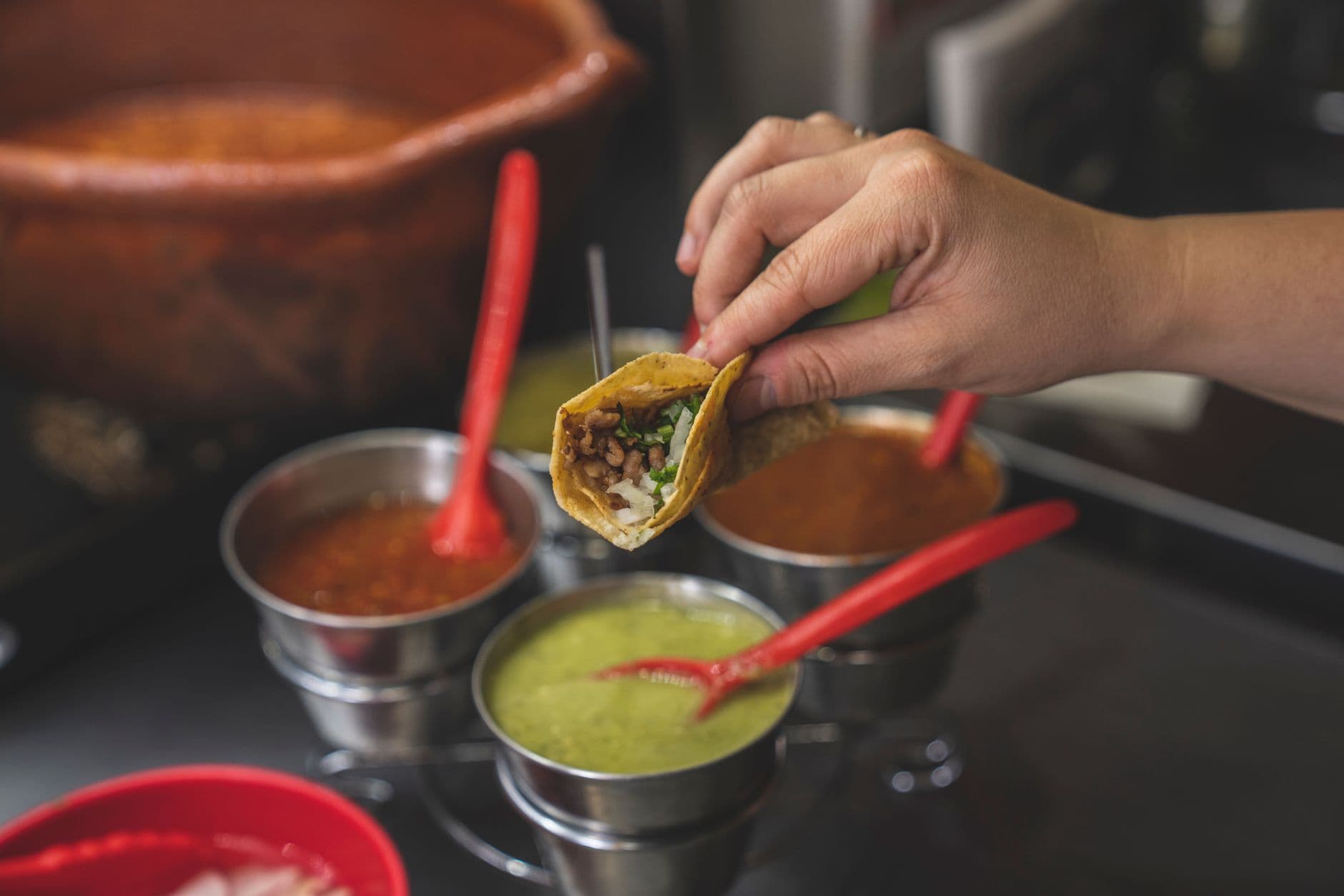
The report puts sauces at the center of that shift. It says sauces are 2.4 times more likely to bring excitement to consumers than other food items, and 34% of consumers now consider what sauces are available when choosing a restaurant. That is a big clue about why Taco Bell keeps leaning into sauce-led innovation and why the condiment station is more strategically important than it may look during a rush.
Taco Bell’s sauce lineup includes Mild, Hot, Fire, Diablo, and Breakfast Salsa, and the company has used sauce packets and packet sayings as a fan touchpoint for years. In 2023, Taco Bell invited Rewards members to vote on new sayings for its sauce packets, turning a routine supply item into a small piece of brand participation. For workers, that kind of engagement can translate into more questions, more specific requests, and less forgiveness when a sauce is missing or the wrong packet goes in the bag.
Fan Style shows where the menu is headed
Taco Bell’s 2025 Fan Style launch pushed this logic further. The in-app feature lets Rewards members create, name, and share custom orders, and Taco Bell said well over half of all app checkouts include a customized menu item. Fan Style can also surface fan-created items on the national menu and reward both the creators and the customers who order them.
That is a notable shift for restaurant teams because it turns guests into active participants in the menu. It also means the kitchen is not just handling standard builds, but a growing stream of personalized requests that have to move through the line with the same speed and accuracy as a core item. When a custom order becomes a social object, the stakes rise for consistency.
Taco Bell has been moving this way for years. The Build Your Own Cravings Box launched in February 2021 as a digital-first value bundle and remains available through the app and online ordering. Taken together with Fan Style, it shows a clear operating model: let the customer build the meal, then make the digital system and the crew machine smart enough to execute it.
What the line has to do differently
For crew members, the big takeaway is that customization is not a side issue. It is core to the business. A guest who expects to choose sauce, heat level, or extra toppings is much less tolerant of a store that is out of stock, slow to build, or inconsistent with modifiers.
That creates a very real shift in labor pressure. Shift managers have to keep the stations stocked, make sure the team is reading modifiers correctly, and protect speed without letting accuracy slip. Restaurant managers have to think about labor scheduling, prep depth, and training in a way that matches the volume of personalized orders, not just the average ticket.
Digital growth is raising the stakes
The report’s trend line is showing up in Taco Bell’s digital business too. In 2026 reporting, Taco Bell was approaching a 50% digital mix in the United States, and loyalty sales were up 30% year over year. Taco Bell also said Rewards members can earn and redeem points in the app, kiosk, or drive-thru, which gives the brand more data on ordering behavior and more chances to steer customized purchases.
That digital growth matters because it changes where mistakes happen. If a guest customizes in the app and expects the order to hit the pickup shelf exactly as built, the store has less room for correction at the counter. Taco Bell has also been testing AI-powered drive-thru menu boards that can adapt layout, content, and visuals in real time, another sign that the company sees ordering as a dynamic, personalized experience rather than a fixed menu board transaction.
The report also says 47% of value-seeking occasions happen in the drive-thru, which puts even more pressure on the labor model. The challenge is no longer just serving cheap food fast. It is serving personalized food fast, in a channel where guests are already expecting convenience and immediate accuracy.
What it means for Taco Bell’s workforce
The larger lesson is that Taco Bell’s menu strategy is built around a customer who wants agency, flavor, and flexibility. That keeps the brand differentiated, but it also makes the quality of the restaurant team central to the business. As customization keeps climbing, the crews that can balance speed, accuracy, and adaptability are the ones making the promise work on the floor.
This article was produced by Prism’s automated news system from verified source data, official records, and press releases, then run through automated quality and moderation checks before publishing. The system is built and supervised by the people who set the standards it runs under. Read our full AI policy.
Did this article answer your question?