Yum summit signals tougher food safety standards for Taco Bell stores
Taco Bell crews could feel the summit first in tighter temp logs, sanitation checks and allergen handling, as Yum pushes a more standardized food-safety playbook.

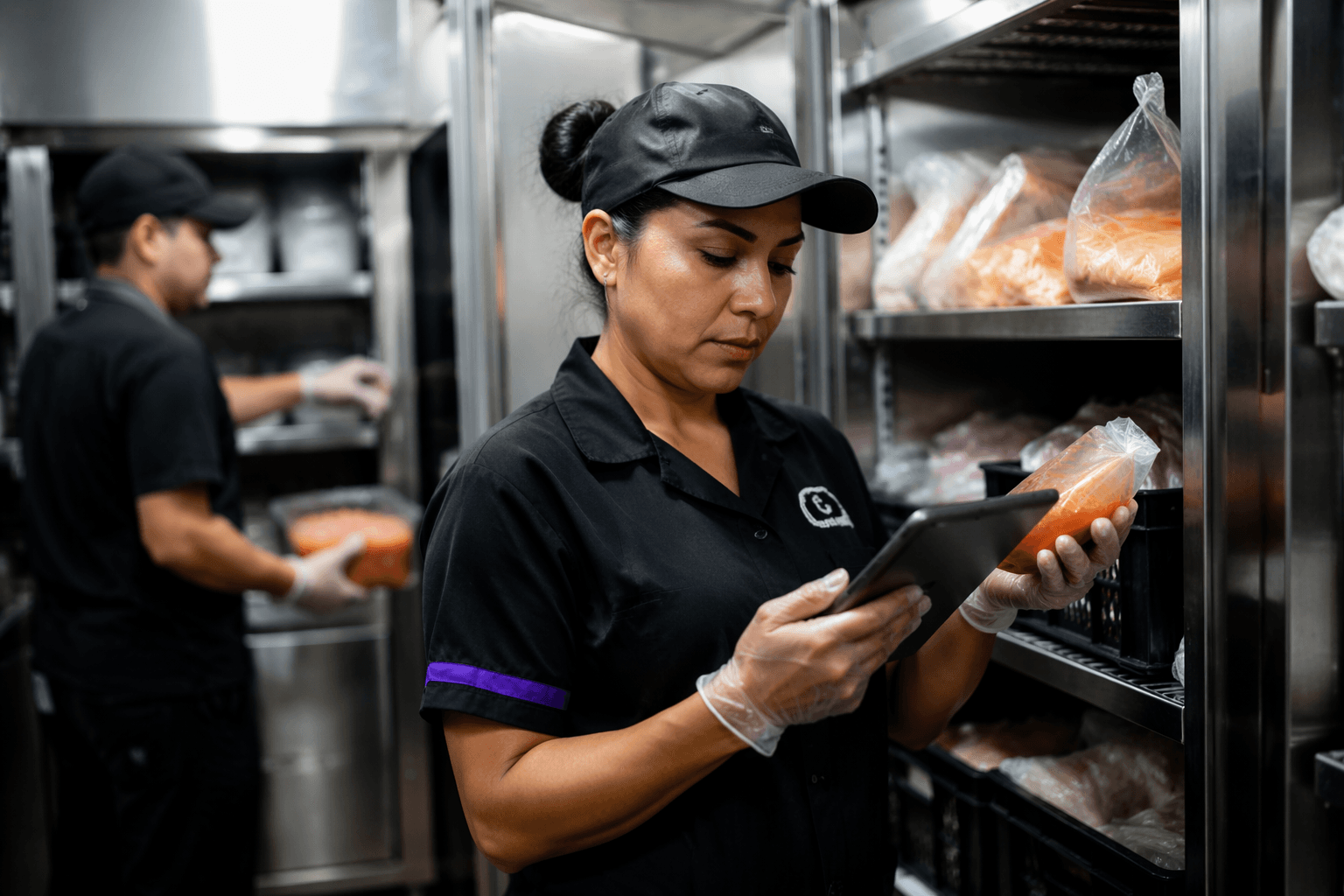
For Taco Bell crews and managers, the most immediate effect of Yum! Brands’ food-safety summit may be extra scrutiny on the basics: holding times, temperature logs, cleaning verification and how fast a shift escalates when product looks off. The question hanging over store-level operations is whether this turns into more checklists, more coaching, or more discipline when a restaurant slips.
Yum held its 2026 Food Safety and Quality Assurance Summit on June 4, and the summit page said it ran over three days. More than 100 food safety and quality assurance leaders from around the world joined franchisee partners, cross-functional teams and industry collaborators under the theme Building Trust, Enabling Growth. That framing matters in a chain like Taco Bell, where the consequences of a missed temp check or a sloppy close show up on the line, not in a corporate deck. For shift managers and restaurant managers, the likely result is more training, more documentation and a stronger expectation that every store follows the same playbook.
Yum has been explicit that food safety is foundational to its brands. Its own materials say the program includes auditing suppliers, mitigating risk across the supply chain and training employees. The company joined the Consumer Goods Forum in 2022, which manages the Global Food Safety Initiative, and says it is moving toward 100% GFSI Recognized Certification for all suppliers and distributors. A separate supplier-transition page said suppliers certified to a GFSI-benchmarked standard such as SQF would not need an additional Yum food-safety audit, with certification required by December 31, 2024. For Taco Bell stores, that kind of upstream standardization usually shows up downstream as fewer gray areas around product checks, receiving procedures and what managers are supposed to do when something fails.
Taco Bell says food quality and safety are top priorities and says it has worked with suppliers, industry experts, regulatory groups and even competitors to improve food safety from farm to restaurant. The brand also says peanuts, tree nuts, fish and shellfish are not used in regular menu items, though some allergens may appear in test and limited-time-only items. Its allergen tool is meant to help customers avoid ingredients such as eggs, milk, wheat or soy, which makes menu-change discipline especially important when promotions roll through stores.
The urgency is not abstract. A 2010 Salmonella outbreak was linked to Taco Bell restaurants in 21 states, a 2012 report said the chain had 5,600 U.S. outlets and 36.8 million weekly customers, and a 2013 Canadian E. coli issue was tied to lettuce served at KFC and Taco Bell locations in New Brunswick and Southern California. At Yum’s scale, with operations in more than 155 countries and territories, a small lapse can become a systemwide problem fast. For Taco Bell workers, the summit signals that food safety is still moving closer to the center of day-to-day store management, where the pressure lands as tighter standards, more oversight and less room for error.
This article was produced by Prism’s automated news system from verified source data, official records, and press releases, then run through automated quality and moderation checks before publishing. The system is built and supervised by the people who set the standards it runs under. Read our full AI policy.
Did this article answer your question?