Activist Anti-ICE Protests at Target Shift Work Burdens to Employees
Activist anti-ICE protests at Target stores on Jan. 23 shifted operational burdens to frontline employees, increasing returns, abandoned carts, and long customer lines.
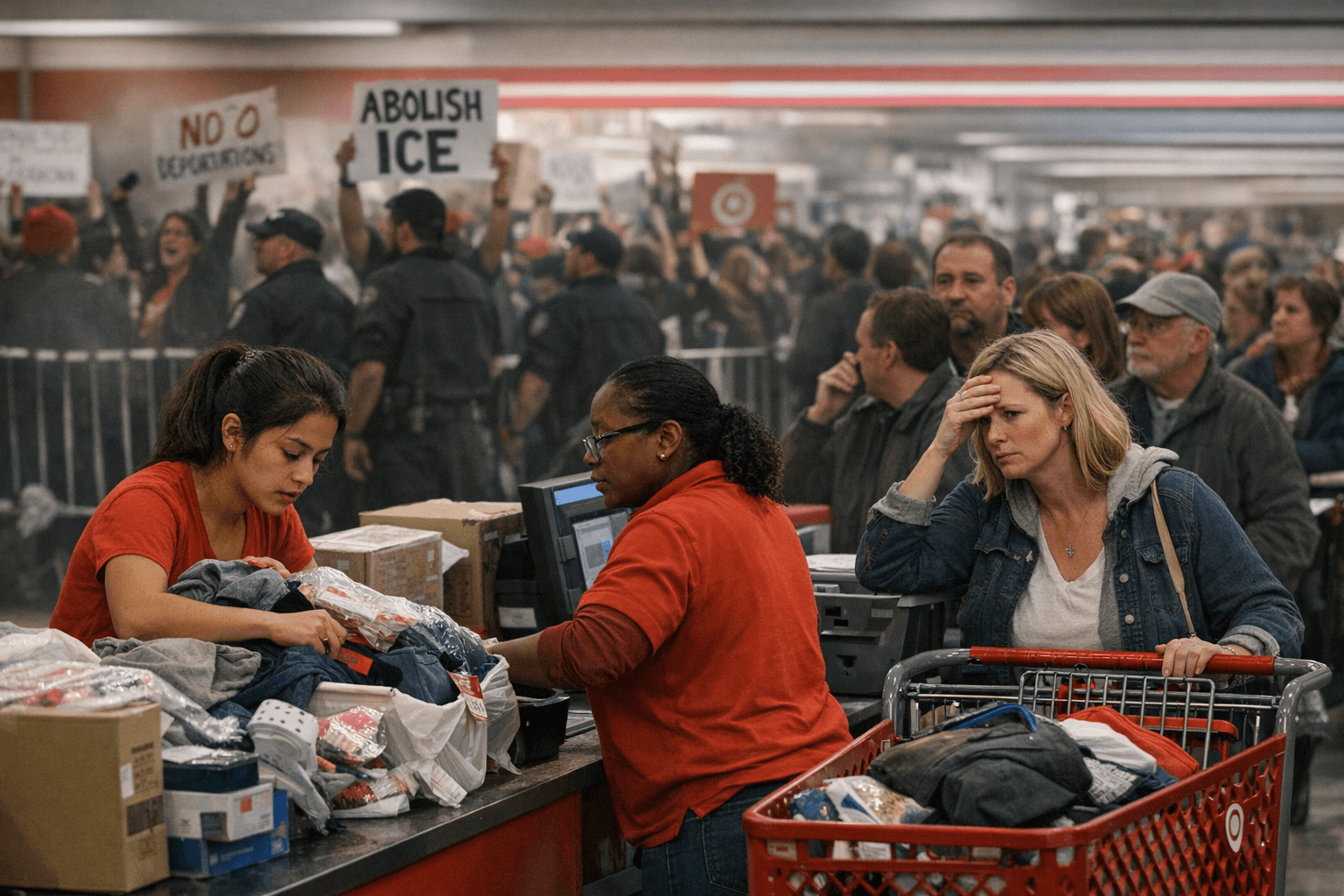
Activist demonstrations targeting Target stores on Jan. 23 used tactics such as staged walkouts inside stores and coordinated mass returns to transform retail transactions into protest actions. The result was an immediate operational ripple through stores where frontline employees absorbed the logistical and customer-service fallout.
Store teams reported a spike in abandoned shopping carts and an influx of returns processed as a form of economic protest. Those tasks fell to sales floor team members and guest services associates, who already balance stocking, cashier duties, and customer assistance. Processing high volumes of unexpected returns pulled staff away from regular duties, created longer lines at registers and guest service counters, and increased time-on-task for managers trying to reset workflows and calm frustrated customers.
The tactics reallocated labor that would normally be distributed across backroom and point-of-sale operations. Associates spent additional hours reorganizing aisles, re-tagging or rechecking returned items, and moving carts to staging areas. Shift leads and store managers had to reprioritize staffing during peak hours, sometimes delaying scheduled breaks or extending shifts to manage the congestion. Those operational adjustments can reduce coverage for inventory tasks, curbside pickup, online order fulfillment, and other services that rely on predictable staffing levels.
Beyond immediate work disruptions, the protests highlighted tensions between public activism and frontline work realities. When protests use customer behavior as leverage - staging walkouts or weaponizing returns - the cost is often paid by hourly workers who are accountable for in-store operations but have little control over company policy or public demonstrations. That dynamic can erode morale among associates who face heightened guest complaints, ambiguous safety scenarios, and the added emotional labor of de-escalating conflicts without formal authority.
Retail operations experts and store-level veterans say predictable protocols help blunt these effects. Clear guidance on handling coordinated returns, temporary queue management, and reassigning staff to critical tasks can reduce overtime and maintain service standards. Training in de-escalation and communication, along with contingency staffing rules, can limit the time associates spend on ad hoc problems instead of scheduled responsibilities.
For Target employees and frontline retail workers generally, the episode on Jan. 23 serves as a reminder that public protests deployed inside commercial spaces can translate into extra hands-on work rather than abstract disruptions. Employers, managers, and labor representatives will need to address how to protect employee time, safety, and morale when activism intersects with daily store operations. As organizers continue to use retail spaces to draw attention, expect ongoing conversations about balancing civic expression with the practical demands placed on the workers who keep stores running.
Know something we missed? Have a correction or additional information?
Submit a Tip