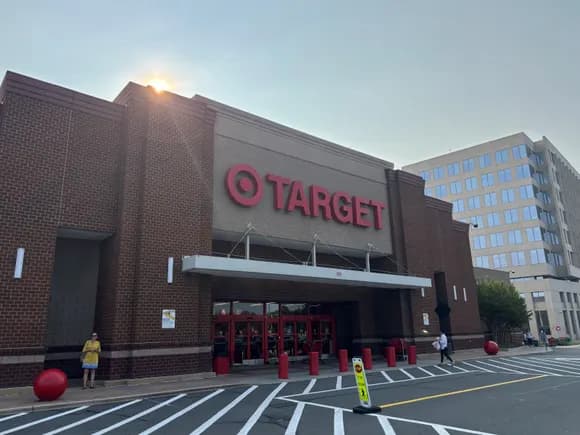
Activists Stage Black Friday Boycott Targeting Target, Amazon, Home Depot
Organizers led a coordinated consumer pressure campaign around Thanksgiving designed to withhold purchases from large retailers including Target, Amazon and Home Depot, and to redirect spending to local and minority owned businesses. The short term action sought to signal concern about corporate rollbacks of diversity programs and alleged cooperation with administration policies, a move that could affect seasonal sales and day to day conditions for frontline retail workers.

Activist groups ran a coordinated boycott over the Thanksgiving and Black Friday period aimed at major retailers, including Target, Amazon and Home Depot. The campaign, which organizers said ran roughly from November 27 through December 1, encouraged consumers to withhold purchases from the named chains and instead spend with local and minority owned businesses. Groups participating included Black Voters Matter, Indivisible and Until Freedom.
Organizers framed the action as a response to recent corporate decisions around diversity, equity and inclusion programming and as pushback against alleged cooperation with administration policies. They described the boycott as a short term tactic, hoping that concentrated lost sales during a critical retail stretch would catch the attention of corporate leadership and prompt broader changes in company practices.
Retailers often realize a large share of annual revenue during the Black Friday to Cyber Monday window, making that period valuable leverage for consumer pressure. Organizers said they expected a measurable but brief dip in sales, which they hoped would translate into public and boardroom scrutiny of company commitments and policies.
Target issued a public statement responding to the campaigns and customer concern, saying that "the company remains committed to supporting communities and team members." The company did not provide additional comment on how the Thanksgiving period sales compared with expectations.

For Target workers the boycott introduces mixed effects. Reduced traffic and sales during a peak season can translate into shorter hours, fewer overtime opportunities and lower seasonal hiring needs, with direct consequences for hourly pay and tip pools where applicable. At the same time, sustained public scrutiny can prompt corporate leadership to revisit internal policies, communications and support for team members, which could lead to changes in training, benefits or community engagement programs.
The campaign also emphasized redirecting spending to smaller retailers, an approach designed to support minority owned businesses and local economies rather than large national chains. Whether a short term consumer pause will produce longer term changes at major retailers remains uncertain, but the effort underlines how organized consumer pressure during peak shopping days can become a lever in debates over corporate policy and workplace culture.
This article was produced by Prism’s automated news system from verified source data, official records, and press releases, then run through automated quality and moderation checks before publishing. The system is built and supervised by the people who set the standards it runs under. Read our full AI policy.
Did this article answer your question?