April inflation rises 3.8%, pressuring Target shoppers and workers
Gas, groceries and shelter all climbed in April, squeezing Target workers at home and making guests more price-sensitive in stores.
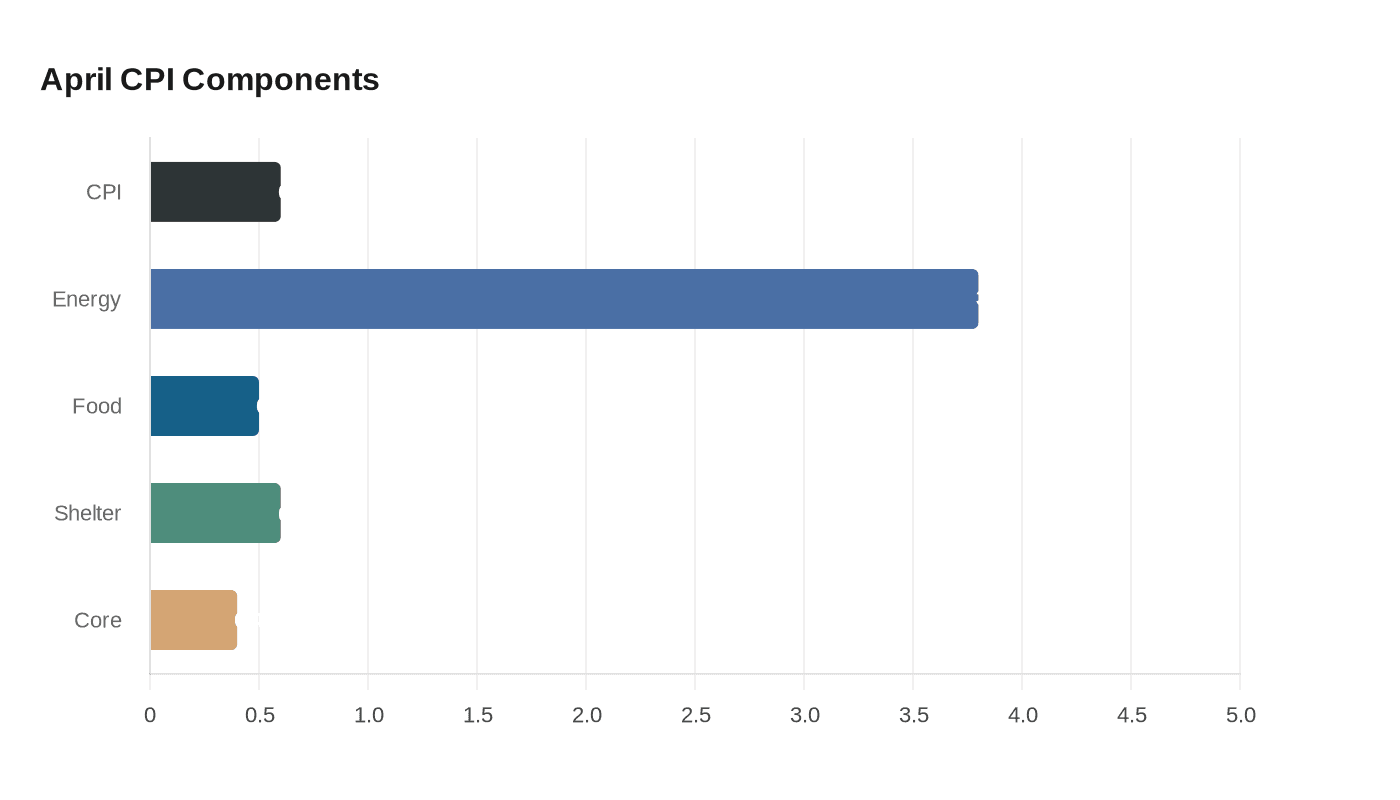
The April inflation report landed with a familiar retail message for Target workers: the cost of getting to work, feeding a household and paying the rent kept climbing at the same time. The Consumer Price Index for All Urban Consumers rose 0.6% in April and 3.8% over the prior 12 months, with energy up 3.8% in the month and 17.9% over the year, food up 0.5% and shelter up 0.6%.
For Target team members, that mix hits the paycheck-to-checkout budget in the places that matter most. Higher gas prices make commutes more expensive. A 0.5% rise in food, alongside shelter costs that kept moving higher, tightens the money left for childcare, bills and anything beyond the basics. The broad increase in the overall index, including a 0.4% rise in core prices, showed the pressure was not limited to one aisle or one utility bill.
The report also pointed to categories that ripple directly through Target stores: household furnishings and operations, apparel, personal care and airline fares all increased in April. That is the part of inflation store teams feel first. Guests become more price-sensitive, spend more time comparing tags and are likelier to trade down to essentials, promotions and lower-priced alternatives before they reach checkout. When household budgets get squeezed, discretionary spending is often the first to shift.
Target has been adjusting to that reality with a heavier emphasis on value and execution. The company said it would invest an incremental $2 billion in 2026, including more than $1 billion in additional capital expenditures and $1 billion in operating investments, lifting capital investment to about $5 billion. The plan calls for more store changes than any year in the last decade, along with updated floor plans, stronger displays, more payroll and more training.
Michael Fiddelke has tied the turnaround to assortment, style and in-store execution. Target expects 2026 net sales growth of 2% after three straight years of declines, and it projects full-year earnings per share of $7.50 to $8.50. The company also said it was lowering prices on more than 3,000 products across apparel, home goods and daily essentials, a direct response to shoppers who are still feeling the bite of inflation.
Target’s push now has two fronts: defend guests who are watching every dollar and keep stores ready for them with sharper value cues, tighter execution and enough staffing to handle the pressure.
Know something we missed? Have a correction or additional information?
Submit a Tip