Target names former Walmart executive Jeff England as supply chain chief
Target is handing supply chain to former Walmart and QXO executive Jeff England as the chain tries to fix out-of-stocks, truck flow and fulfillment speed.

Target is betting that a veteran operator with nearly two decades of Walmart experience can bring more order to the messiest parts of retail. Jeff England will join the company as executive vice president and chief global supply chain and logistics officer on May 31, reporting to chief operating officer Lisa Roath, with longtime Target executive Gretchen McCarthy moving into a strategic adviser role through August.
For store teams, the hire goes straight to the work that shapes every shift: whether trucks arrive on time, whether the backroom can absorb freight, whether shelves stay full, and whether Drive Up and Order Pickup move fast enough when demand spikes. Target said England is expected to strengthen the chain’s supply network with greater speed, reliability and precision, a mandate that suggests both help and pressure for team leaders, fulfillment teams and overnight crews heading into the second half of the year.
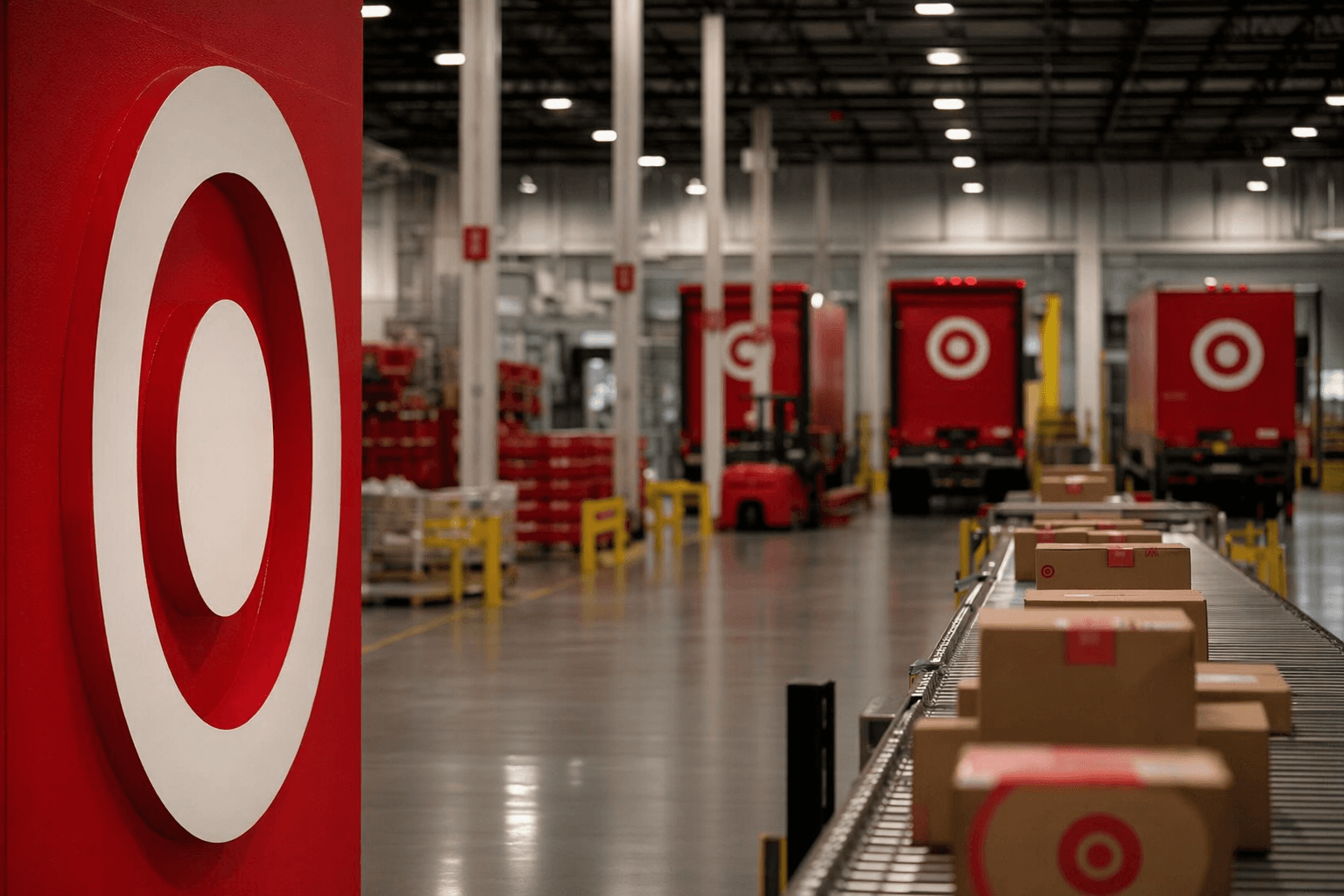
England arrives after serving as chief supply chain officer at QXO, and before that at Genuine Parts Company. Target said he spent nearly two decades in operations, strategy and finance leadership roles at Walmart from 2004 to 2022. That background matters because Walmart’s scale rewards tight process control, fast problem solving and relentless attention to inventory movement, exactly the areas where Target has been trying to sharpen execution.
The move lands as Target pushes a broad turnaround plan that includes more than $2 billion in incremental investment in 2026, with over $1 billion in capital expenditures and another $1 billion in operating investments. The company has said that money will go toward store floor plan changes, enhanced displays, more payroll and training, and faster technology deployment, including artificial intelligence. In plain terms for stores, that means the company is not just asking for better execution, it is funding a reset around how product moves from supplier to shelf.
That reset is already visible in the rollout of Target’s first receive center in Houston on April 29. The new upstream site is meant to stage vendor inventory before it reaches stores or distribution centers, a sign that Target wants to ease congestion, protect in-stock levels and keep fulfillment from choking the sales floor. Michael Fiddelke has also said the company sees room for efficiency in supply chain as it works to improve in-stock levels and scale same-day delivery from roughly 2,000 U.S. stores.
The urgency is easy to understand. Target’s full-year 2025 net sales fell 1.7 percent to $104.8 billion, comparable sales fell 2.6 percent, and brick-and-mortar sales dropped 3.9 percent. With holiday readiness only months away, England’s arrival raises a central question for workers: will tighter supply chain discipline finally reduce the scramble for missing merchandise, or will it bring even harder productivity demands to stores already under pressure to do more with less?
Know something we missed? Have a correction or additional information?
Submit a Tip