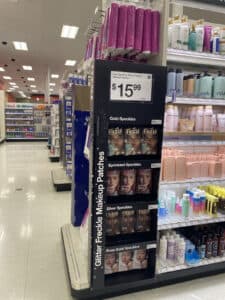
BLS says Target retail jobs pay modestly, offer steady openings
BLS says retail pay sits around $16.70 an hour, but Target still has steady openings because turnover keeps the work moving.

If you are weighing a Target application, the most useful labor-market fact is not that retail is booming. It is that retail keeps hiring even when growth is flat. The Bureau of Labor Statistics says retail sales workers earned a 2024 median of $34,730 a year, or $16.70 an hour, while retail salespersons specifically had a median hourly wage of $16.62 in May 2024.
That pay comes with a labor market that is stable rather than expanding fast. BLS projects overall employment of retail sales workers will show little or no change from 2024 to 2034, yet it still expects about 586,000 openings each year on average. Most of those openings are expected to come from workers leaving for other occupations or leaving the labor force, not from a surge in new stores. For a Target applicant, that is the split that matters: there may not be a huge growth wave, but there is steady room to get in if you can show up reliably, learn quickly and handle customer-facing work.
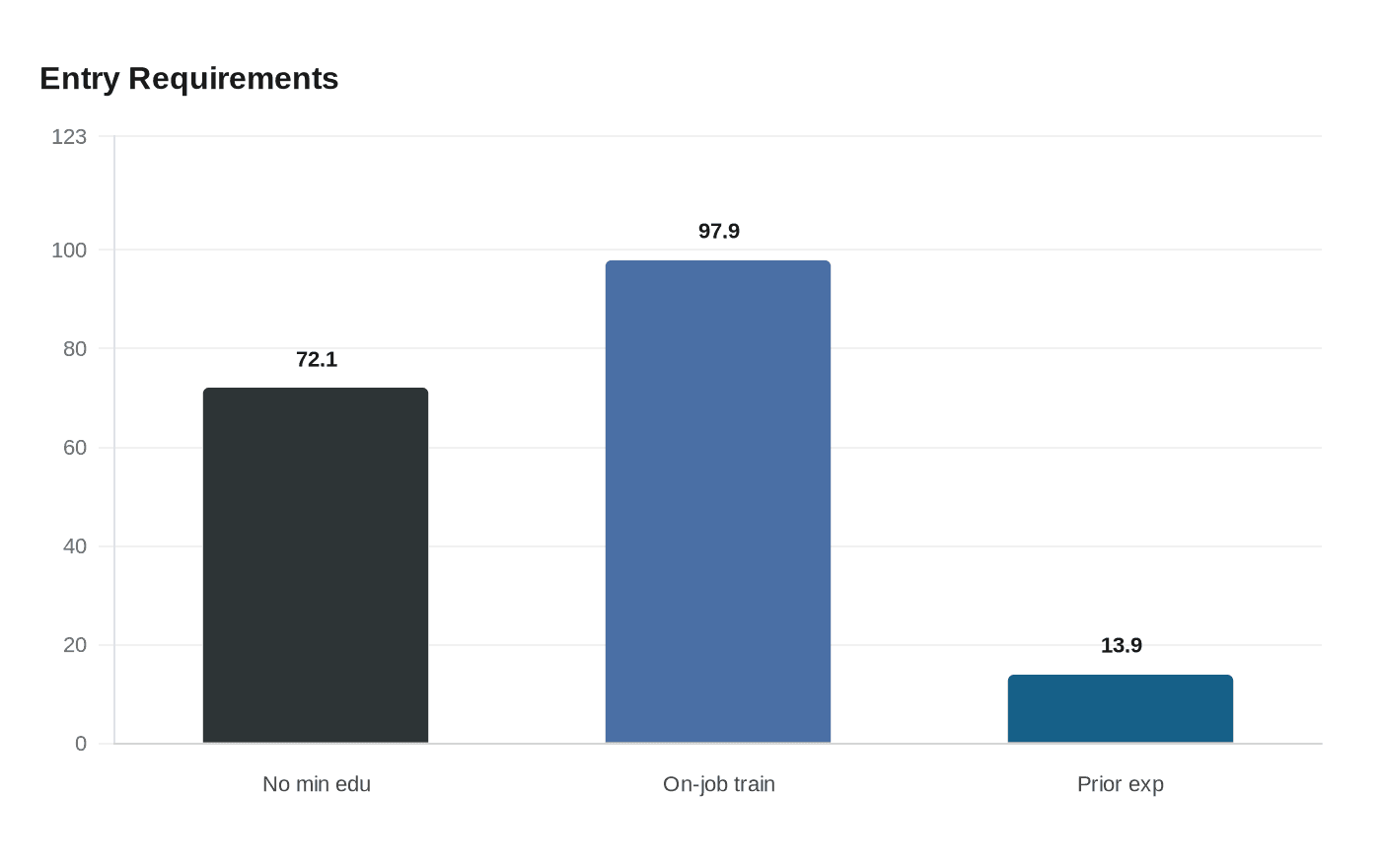
The occupation also remains one of retail’s easiest entry points. BLS says retail sales workers typically do not need formal education and most learn on the job. Its Occupational Requirements Survey found that in 2024, 72.1% of retail salespersons needed no minimum education, 97.9% required on-the-job training and only 13.9% needed prior work experience. That makes attendance, communication and flexibility a better hiring signal than a long resume. BLS also says retail schedules may include evenings and weekends, which is why Target’s seasonal pitch, flexible schedules, competitive pay and added pay for early morning and overnight hours, lands with job seekers who need hours as much as a paycheck.
For team leads and executive team leaders, the warning is the same as the opportunity: a flat market does not guarantee retention. Harvard Business Review’s March-April 2026 work on service-worker churn says schedule design can change turnover, especially when stores post schedules earlier, avoid clopenings and offer steadier hours. Its analysis also points to site-specific drivers such as short rest periods, uneven advance notice and unapproved time-off requests. In other words, the best labor strategy is local, not generic.
Target’s own hiring pages show how the company is trying to meet that reality. The chain says it is recruiting across stores, supply chain facilities, corporate headquarters, internships and entry-level roles, and it says market-leading pay and benefits are available to team members upon starting in some categories. Its 2025 annual report added another clue, saying the company planned more than $2 billion in incremental investments, including more than $1 billion in capital expenditures and another $1 billion in operating investments. The message for workers is plain: the openings are real, but the path up will still depend on who can stick around, learn the job and keep the schedule.
This article was produced by Prism’s automated news system from verified source data, official records, and press releases, then run through automated quality and moderation checks before publishing. The system is built and supervised by the people who set the standards it runs under. Read our full AI policy.
Did this article answer your question?