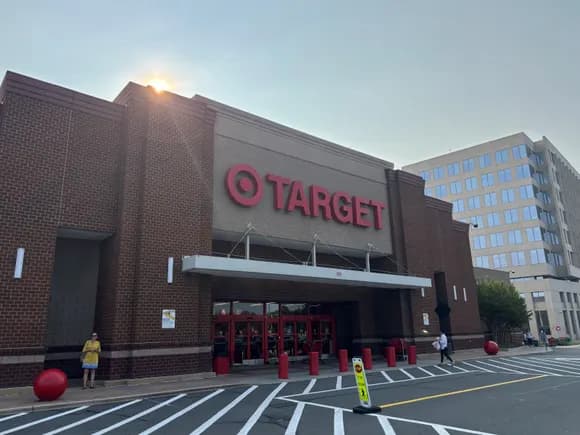
Clergy and Community Groups Urge Target to Restrict Federal Agents
Clergy and community groups pressed Target to limit federal agents' presence in stores after a Jan. 8 detention of employees, citing threats to worker safety and store operations.
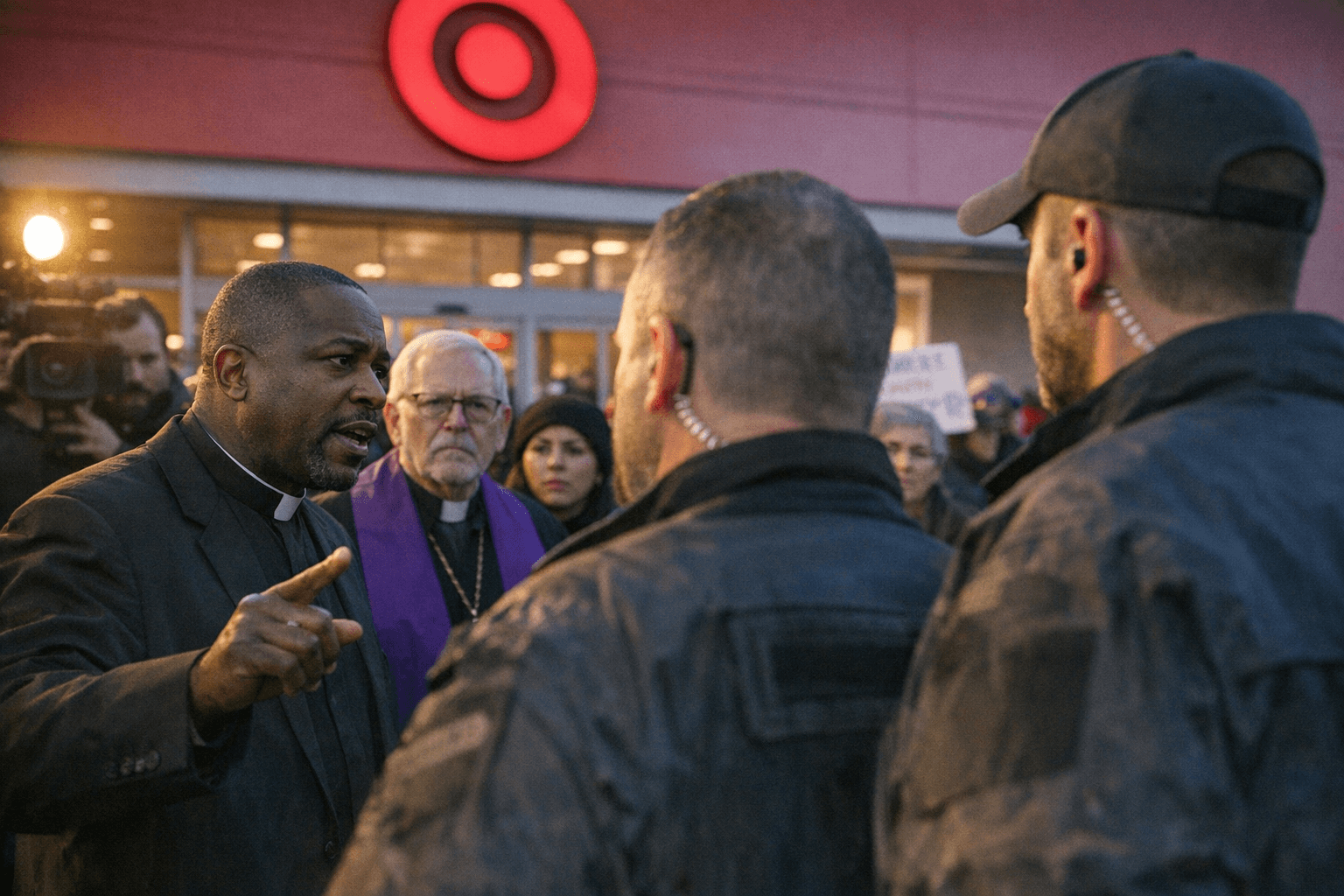
Clergy and community organizers converged on Target properties and the downtown skyway on Jan. 20 to demand new store-protection commitments after a Jan. 8 detention of employees in Richfield. Faith leaders asked Target executives to meet with delegations and to adopt policies limiting law-enforcement staging on company property, requiring warrants before federal agents enter non-public areas, and publicly advocating for congressional oversight of enforcement operations they say threaten customers and hourly workers.
Organizers framed the actions as a workplace-safety issue for Target’s predominantly hourly workforce. They described younger team members as particularly shaken by the Jan. 8 events, reporting heightened anxiety about law-enforcement encounters while working registers, stocking aisles, or taking breaks in back-room areas. Clergy and community groups said the presence of federal agents near stores has created fear that can erode morale, complicate day-to-day operations, and force managers to shoulder new de-escalation responsibilities.
The delegations staged in-store and skyway actions to press a set of specific requests: limit law-enforcement staging on Target-owned property, require legal warrants before federal agents enter employee-only spaces, and use Target’s corporate voice to push for stricter congressional oversight and operational limits on enforcement tactics. Organizers view corporate policy changes as a practical shield for employees and customers, as well as a way to put pressure on lawmakers and federal agencies.
Target, a Minneapolis-headquartered retailer with thousands of hourly team members in the Twin Cities region, has become the focus of sustained local organizing since the Richfield incident. The movement highlights how community concerns over enforcement tactics can escalate into workplace-relations challenges for large national employers with public-facing stores. Delegations that sought meetings with Target executives emphasized both the immediate safety implications for frontline staff and the potential long-term reputational risks for the company.
For workers and managers, the debate raises operational questions. Store leadership may need clearer guidance on interacting with federal agents, protocols for protecting employee privacy and non-public spaces, and support resources for staff experiencing trauma or stress after enforcement incidents. Organizers also signaled that they will monitor Target’s response and press for public commitments if meetings with executives do not yield policy changes.
The situation remains active as organizers pursue talks and public pressure. For Target employees, the outcome could mean new protections for back-room areas and more explicit corporate stances on enforcement activity near stores; for labor and community advocates, it represents a broader test of how national employers navigate conflicts between public safety, federal enforcement, and worker wellbeing.
Know something we missed? Have a correction or additional information?
Submit a Tip