Community Leaders Call for Consumer Blackout, Targeting Major Retailers
Local organizers and national groups urged a consumer blackout over the Black Friday through Cyber Monday shopping weekend, encouraging shoppers to avoid Target, Home Depot and Amazon and redirect funds to small and local merchants. Organizers framed the action as economic accountability, arguing that withholding purchasing power during a high revenue weekend can pressure corporate policies and spotlight community priorities.
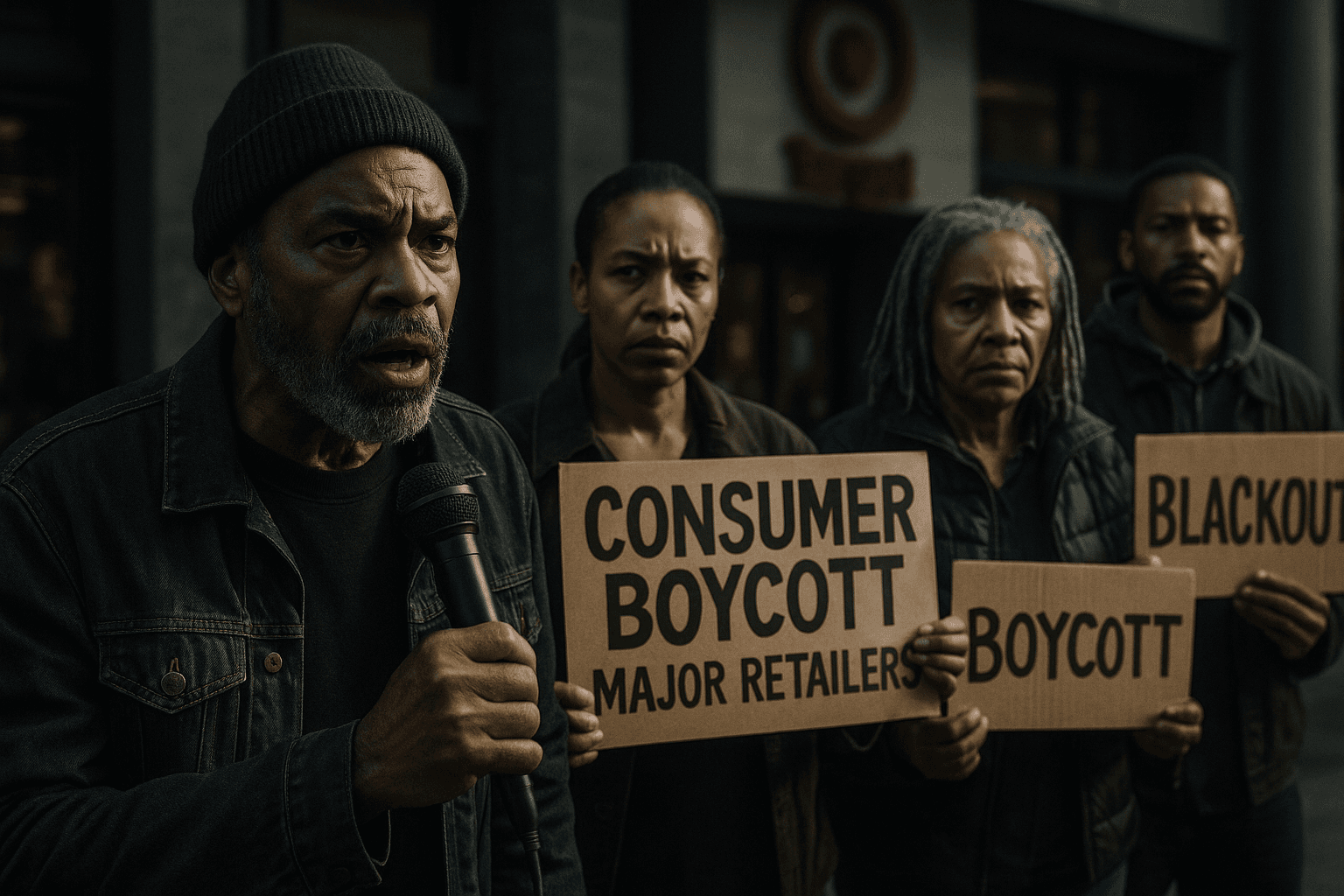
Organizers in St. Louis and national advocacy groups promoted a consumer blackout for the Black Friday through Cyber Monday period, a move publicized in an editorial on November 28, 2025. The campaign singled out large national retailers including Target, Home Depot and Amazon, and urged consumers to shift holiday spending toward independent and local businesses. Leaders behind the effort described the weekend as a strategic moment because it typically accounts for a significant share of annual retail revenue.
The coalition framed the blackout as part of a broader political and economic accountability strategy. Local voices emphasized that collective purchasing decisions can be a lever to influence corporate behavior, and national organizations such as Black Voters Matter highlighted the tactic as a way to translate civic concerns into economic pressure. Organizers also called for community level planning to make redirected spending effective, urging coordinated efforts to ensure local shops can meet increased demand.
The immediate implications are mixed for workers. A pullback in sales at large retailers during one of the busiest shopping periods could reduce seasonal overtime, limit temporary hiring and alter store staffing plans that many hourly workers depend on for holiday income. Reduced foot traffic may affect hours and gig assignments, and could change the cadence of customer service and loss prevention workloads. Conversely, increased traffic at small and local merchants could create temporary hiring needs, shift scheduling patterns and require rapid operational adjustments for businesses with limited staffing flexibility.
For store employees, the blackout highlights how external political organizing can translate into tangible workplace effects. Management at national chains may respond with promotional activity or staffing changes to protect sales, while local shop owners may scramble to source inventory and labor to capture redirected spending. The campaign also underscores the rising intersection between consumer activism and worker interests, as both corporate policy and frontline employment conditions can be influenced by concentrated purchasing choices.
Organizers recommended community coordination so redirected dollars translate into sustained support rather than short term spikes. The coalition urged residents to plan purchases, support merchants with capacity to serve increased demand and consider longer term commitments to local economies beyond the holiday weekend.
This article was produced by Prism’s automated news system from verified source data, official records, and press releases, then run through automated quality and moderation checks before publishing. The system is built and supervised by the people who set the standards it runs under. Read our full AI policy.
Did this article answer your question?