Consumer sentiment hits record low, raising value pressure on Target shoppers
Record-low consumer sentiment is pushing Target guests toward smaller baskets, tighter promo hunts and more trade-down behavior at the store level.

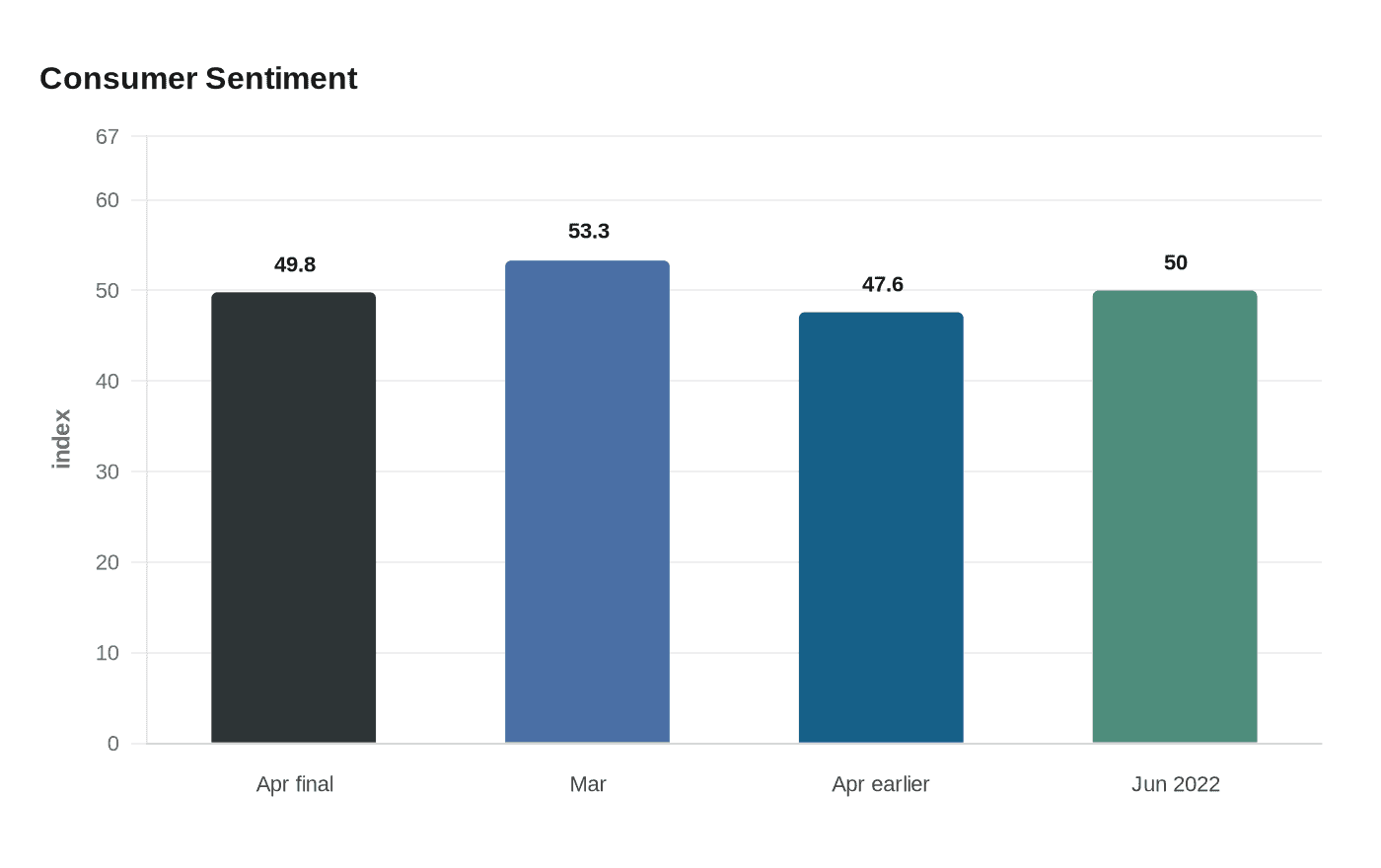
A weaker shopper mood usually shows up at Target before it shows up in a spreadsheet: smaller baskets, more price checks, and more guests walking past full-price items in search of a deal. The University of Michigan’s final April Consumer Sentiment Index fell to 49.8, a record low and below March’s 53.3, while still topping the month’s earlier 47.6 reading. It also came in below the previous low of 50 set in June 2022.
The pressure is not just about mood. Year-ahead inflation expectations rose to 4.7% in April from 3.8% in March, and long-run expectations climbed to 3.5%, the highest since October 2025. That matters on the floor because households that expect prices to keep rising are more likely to delay discretionary buys, compare tags more carefully, and trade down to lower-cost options. The deterioration in sentiment was broad-based across political party affiliation and among consumers with stock market investments, which suggests this is not a narrow pocket of strain.
For Target, that kind of backdrop can hit traffic, conversion and basket size at the same time. The company has already moved to blunt the value pressure. On March 11, it said it was lowering prices on more than 3,000 products across apparel, home goods, baby essentials and select food and beverages. The move was aimed at spring shoppers, but it also signals how much weight the retailer is putting on price perception as consumers become more selective.
Michael Fiddelke, Target’s new chief executive, has said the company plans to spend billions remodeling stores, improving the shopping experience and speeding deliveries while trying to restore annual sales growth. In March, Target said its 2026 strategy would center on style, design, value and experience for digitally savvy, style-focused and value-conscious consumers. It also increased its capital investment plans to about $5 billion, including more than $1 billion in additional spending on new stores, remodels, technology and supply chain work.
That strategy is now colliding with a market where guests are watching every trip. In practical terms, that means store teams may see more questions about promotions, more items left behind when the price does not feel right, and more scrutiny on whether the trip was worth it. Target’s own filing says traffic and basket growth depend on merchandise assortment, price, convenience, guest experience, loyalty, advertising and marketing, which makes sentiment swings especially relevant for day-to-day execution.
There are still signs the turnaround effort has drawn shoppers back. Placer.ai data cited in early April showed Target weekly visits from Feb. 2 to March 22 were up 6.6% to 10.3% year over year. But with sentiment at a record low, the near-term test for Target is not just getting guests in the door. It is making sure value lands clearly enough that they fill the basket once they get there.
This article was produced by Prism’s automated news system from verified source data, official records, and press releases, then run through automated quality and moderation checks before publishing. The system is built and supervised by the people who set the standards it runs under. Read our full AI policy.
Did this article answer your question?