Deputy report highlights retail staffing pressure, changing expectations at Target
Retail has grown just 1% since 2022, and at Target that pressure is likely to show up first in schedules, payroll hours and AI tools.
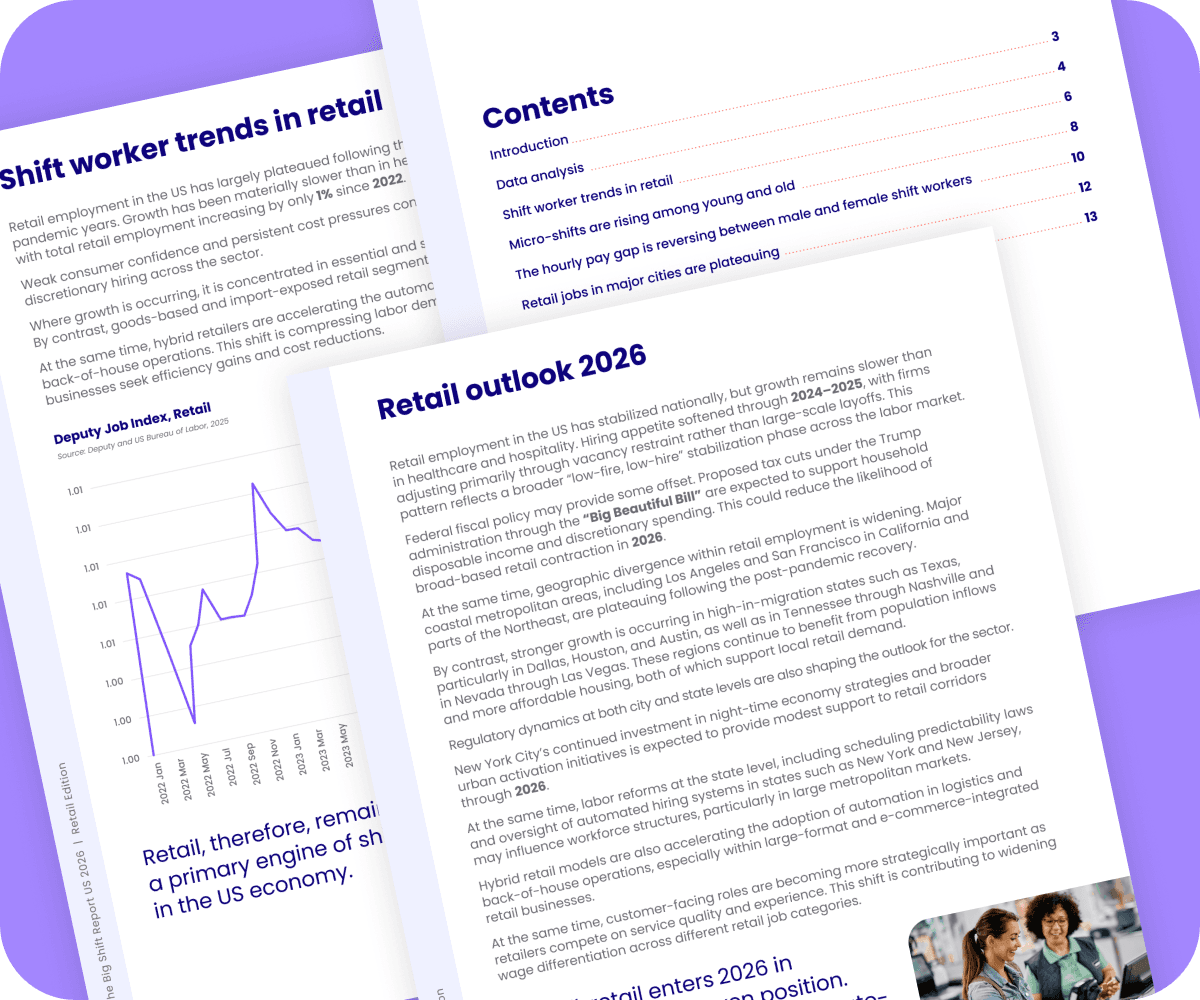
If your next Target schedule feels tighter, more fluid or harder to predict, Deputy’s latest retail numbers explain why. Retail has grown just 1% since 2022, hiring activity averaged only 1.5% of staff, and worker sentiment fell in 2025 in retail even as it held up better in other shift-based industries. That is the clearest signal that labor pressure is not going to show up first in a headline about store openings. It is going to show up on the floor, in the weekly schedule, and in the speed with which a leader answers a shift swap request.
Deputy said its analysis drew on more than 41 million shifts and 268 million hours worked, and it found Gen Z now makes up 45.6% of retail shift workers, up from 43.4% in 2024. That matters at Target because the company runs 2,000 stores and more than 60 supply chain facilities in the U.S., with more than 400,000 full-time, part-time and seasonal team members. In a workforce that large, even small changes in callouts, open shifts or training expectations can quickly affect guests, lanes and backroom work.

Target already has one flexibility valve in place: its on-demand store role lets team members choose when they work and pick up shifts through a scheduling app or website. That kind of setup is likely to matter more as younger workers expect more control over their hours and as managers are pushed to cover more with less. The real test is whether scheduling tools actually reduce stress, or just move the burden onto team members to chase shifts and stay plugged in.
Technology may help, but only if it is practical on the store floor. A separate Deputy note found nearly 75% of shift workers believe AI helps them leave on time, which points to a narrow but important promise: software can ease the day if it helps with task timing, coverage and handoffs. Target is betting heavily on that mix. On March 3, the company said it would add an incremental $2 billion in 2026 investment, including more than $1 billion in capital spending and $1 billion in operating investment, with hundreds of millions of dollars earmarked for store payroll and training. It also said it plans more changes inside stores in 2026 than in any year in the last decade.
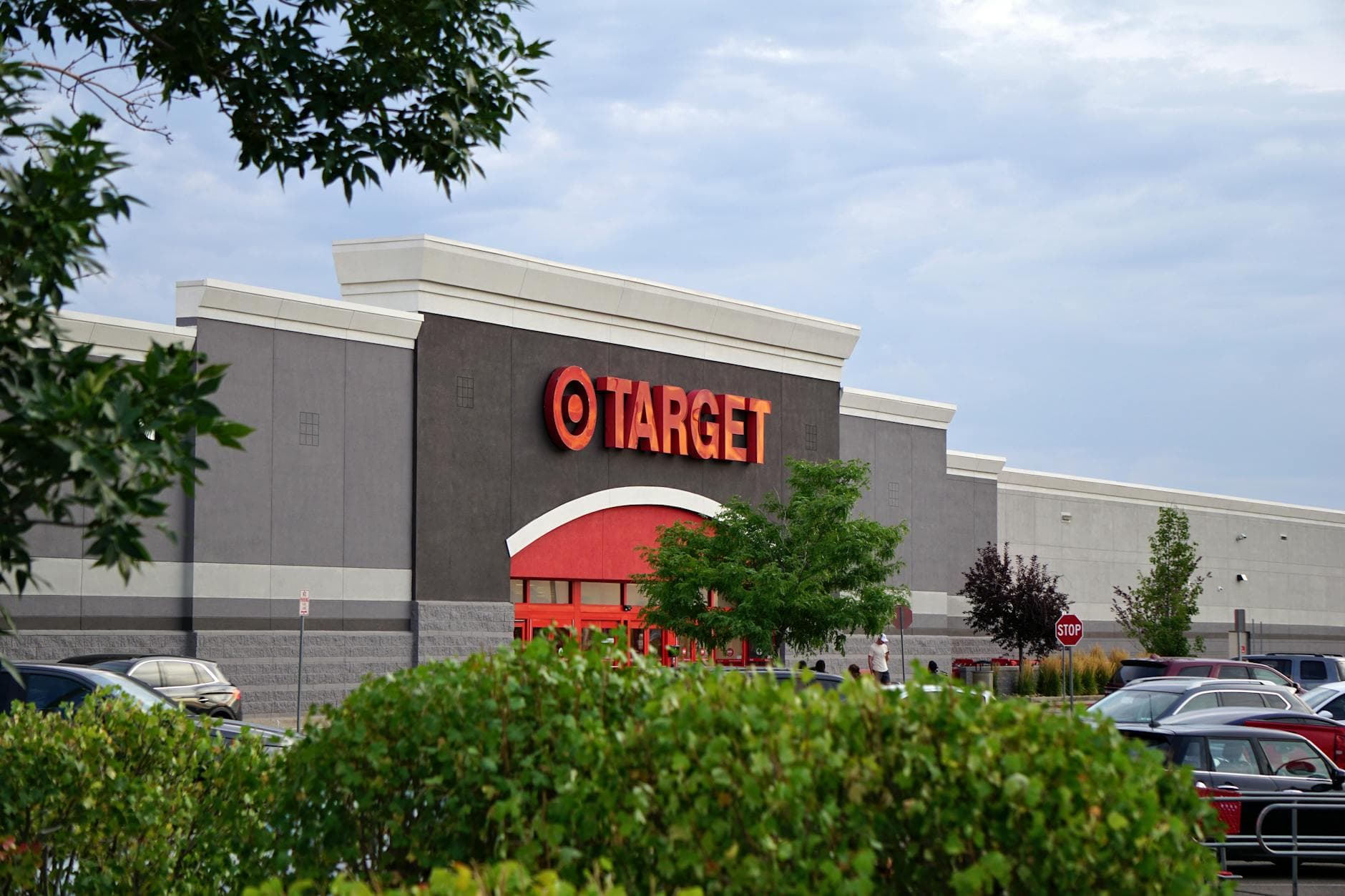
That turnaround push comes after a mixed year. Target reported fourth-quarter 2025 net sales of $30.5 billion, said non-merchandise sales grew more than 25%, and said same-day delivery powered by Target Circle 360 grew more than 30%. Full-year adjusted EPS came in at $7.57, while 2026 net sales growth was guided at around 2%. Against that backdrop, the reporting line for store leaders is simple: if Target wants more consistent guest experience and faster execution, the next battle will be won, or lost, in scheduling stability, manager responsiveness and whether AI actually lightens the load for hourly workers.
This article was produced by Prism’s automated news system from verified source data, official records, and press releases, then run through automated quality and moderation checks before publishing. The system is built and supervised by the people who set the standards it runs under. Read our full AI policy.
Did this article answer your question?