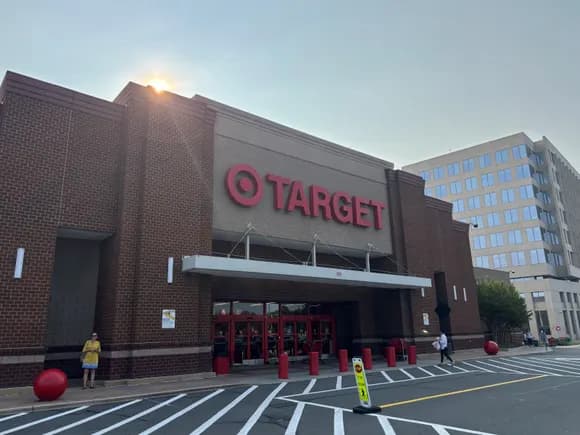
Costa Mesa's Self-Checkout Ordinance Would Cap Items, Require More Staff at Target
Costa Mesa moved to adopt an ordinance limiting self-checkout to 15 items and requiring more staff per kiosk, a change that could alter jobs, schedules and shrink control at stores like Target.

Costa Mesa city leaders moved to adopt an ordinance regulating self-checkout lanes that would limit purchases to 15 items or fewer, require at least one employee for every three self-checkout kiosks, and bar purchases of items kept in locked cases through self-checkout. The council framed the measure as a response to rising theft and a way to protect frontline jobs, while business groups warned of higher costs and enforcement challenges.
The measure targets a range of retail locations in Costa Mesa, including Target stores, where self-checkout has been a common feature. Under the proposed rule, a Target store that operates multiple self-checkout kiosks would need to schedule more team members to monitor those lanes, potentially shifting staffing models that have favored automation and lean checkout staffing. The requirement of one employee per three kiosks would force managers to reallocate existing staff or hire additional workers to meet the ratio, affecting payroll, scheduling and daily operations.
Proponents argued the staffing mandate would reduce shrink and relieve pressure on store employees who are often asked to police self-checkout activity while handling other duties. Supporters include unions and worker advocates who view the ordinance as a means to preserve cashier jobs and ease customer-facing stress. The rule’s prohibition on using self-checkout for items stored in locked cases also aims to cut down on a known source of theft and of confrontations when employees are required to unlock or verify restricted products.
Retail associations and local business organizations pushed back, saying the ordinance could increase costs for shoppers and local businesses and raise questions about legal authority and practical enforcement. Those groups warned that more staff on the floor could translate into higher operating expenses that some retailers might pass on to customers, or prompt changes in store layouts and service models to comply with the new limits.
For Target employees in Costa Mesa, the ordinance promises immediate operational changes: more scheduled coverage of self-checkout areas, clearer expectations around loss prevention responsibilities, and potentially reduced pressure from customer monitoring duties. For store managers, the change will require revising schedules, reassigning team member tasks and coordinating loss prevention protocols with city enforcement. For shoppers, the shift could mean slower throughput at self-checkout lanes but more in-person assistance.
The council’s move to adopt the ordinance on January 22, 2026 sets a new local standard for how retailers balance automation, staffing and loss prevention. Implementation details, enforcement mechanisms and potential legal challenges remain to be resolved, leaving stores and employees to prepare for operational adjustments while officials hammer out the practical steps needed to put the policy into effect.
Know something we missed? Have a correction or additional information?
Submit a Tip