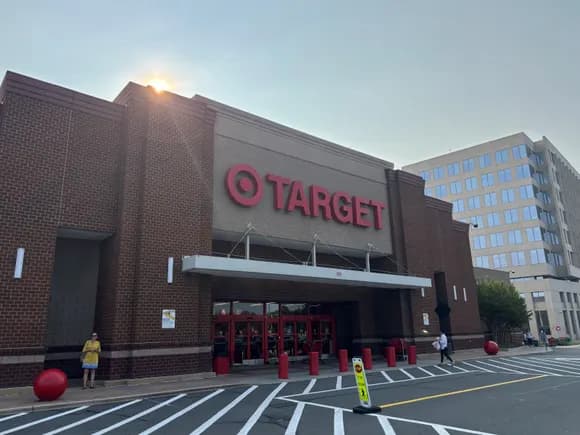
Downtown Minneapolis Target locks toothbrushes behind security glass
Target's downtown Minneapolis store put toothbrushes and toothpaste behind locked glass, adding to other toiletry lockups. the change slowed guest access and shifted tasks onto frontline team members.

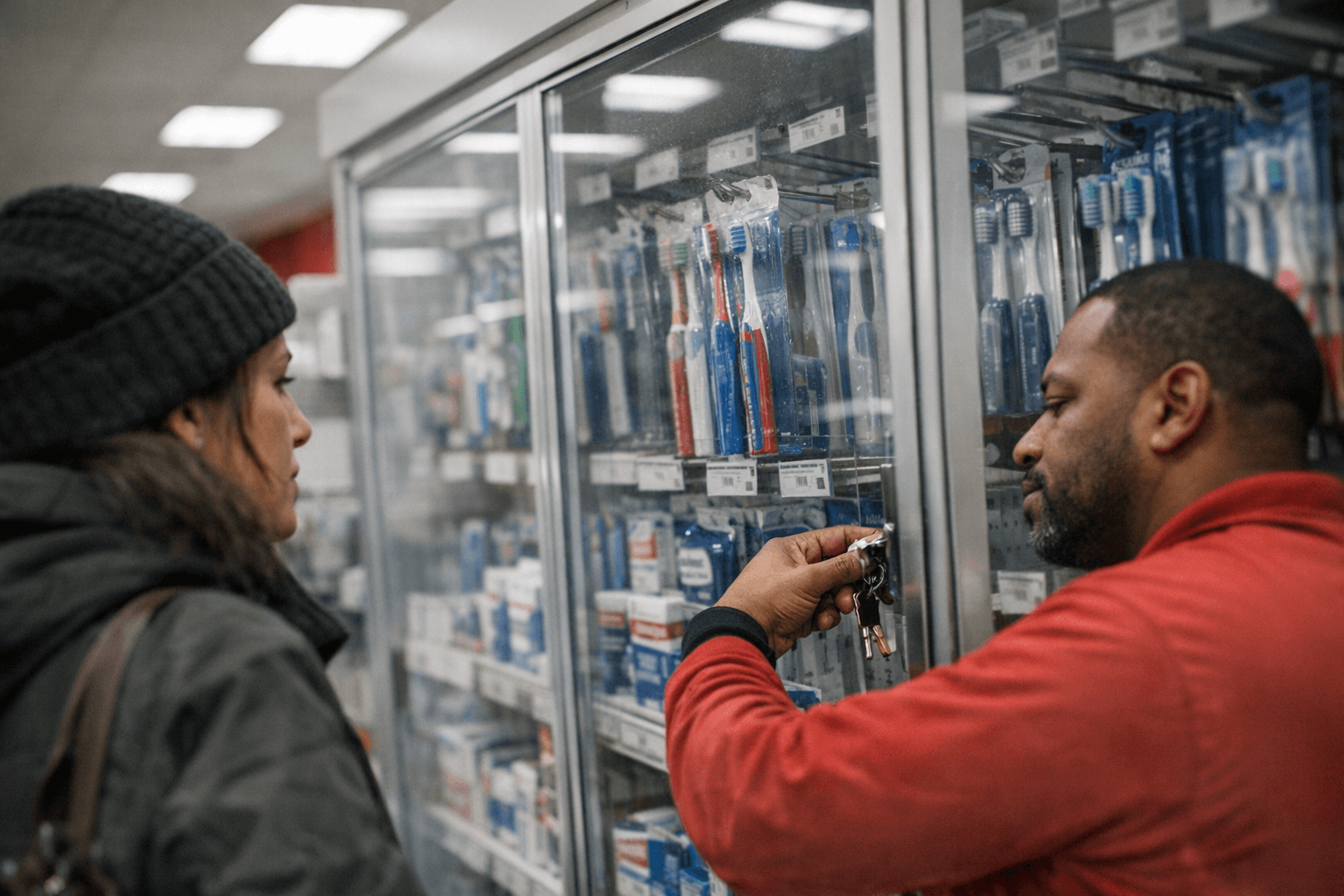
Target's downtown Minneapolis store put mouthcare items such as toothbrushes and toothpaste behind locked security glass on Jan. 14, expanding a practice that already confined some toiletry and household goods to secured displays. The move created immediate changes for guests, who must wait for staff to unlock the cases, and for frontline team members now tasked with frequent display unlocks and customer assistance.
Employees at the flagship urban location said they were not formally briefed before the change and have been left to manage how the lockups are handled during busy shifts. Staff members have speculated the decision responds to rising theft in the downtown store, where managers have tightened security and shortened operating hours in recent months. The store's increased precautions come amid high foot traffic and public-transit access that can make urban locations more vulnerable to shrink, employees noted.
For guests, the visible effect was simple and immediate: more stops along the shopping trip. Shoppers described waiting at displays until a team member could step away from other duties to unlock the case, a delay that can compound during peak hours. For team members, the change translates to added tasks and potential trade-offs between loss-prevention duties and core customer-service responsibilities such as checkout and stocking.
The security move also shifts some loss-prevention work onto store teams. Locked displays typically require staff to monitor access, code and unlock cases, and maintain restricted inventory, adding to the list of routine chores that already include replenishment, guest assistance and cleaning. In stores where staffing is lean or where shifts are tightly scheduled, these incremental duties can intensify pressure at the front line, creating tension between safety protocols and the need for efficient guest flow.
The downtown location's recent pattern of tightened security and reduced hours suggests the lockups are part of a broader response rather than an isolated merchandising change. Urban flagship stores often pilot security measures that other locations watch closely; how this policy evolves could inform practices elsewhere if theft concerns persist.
For team members and guests, the immediate takeaway is practical: expect more locked displays and potential waits for basic personal-care items, and plan staffing and guest-service responses accordingly. Management communication will be key in smoothing the transition; without formal briefings, employees are left to balance new loss-prevention tasks with everyday store operations. Observers will be watching whether the measure reduces shrink, how it affects guest satisfaction, and whether corporate or local leaders provide additional guidance for frontline teams.
Know something we missed? Have a correction or additional information?
Submit a Tip