House Democrats urge Target, retailers to pass tariff refunds to shoppers
15 House Democrats pressed Target and other retail CEOs to return tariff refunds to shoppers, not shareholders. For stores, the first signs could be shelf prices, promotions and guest questions.
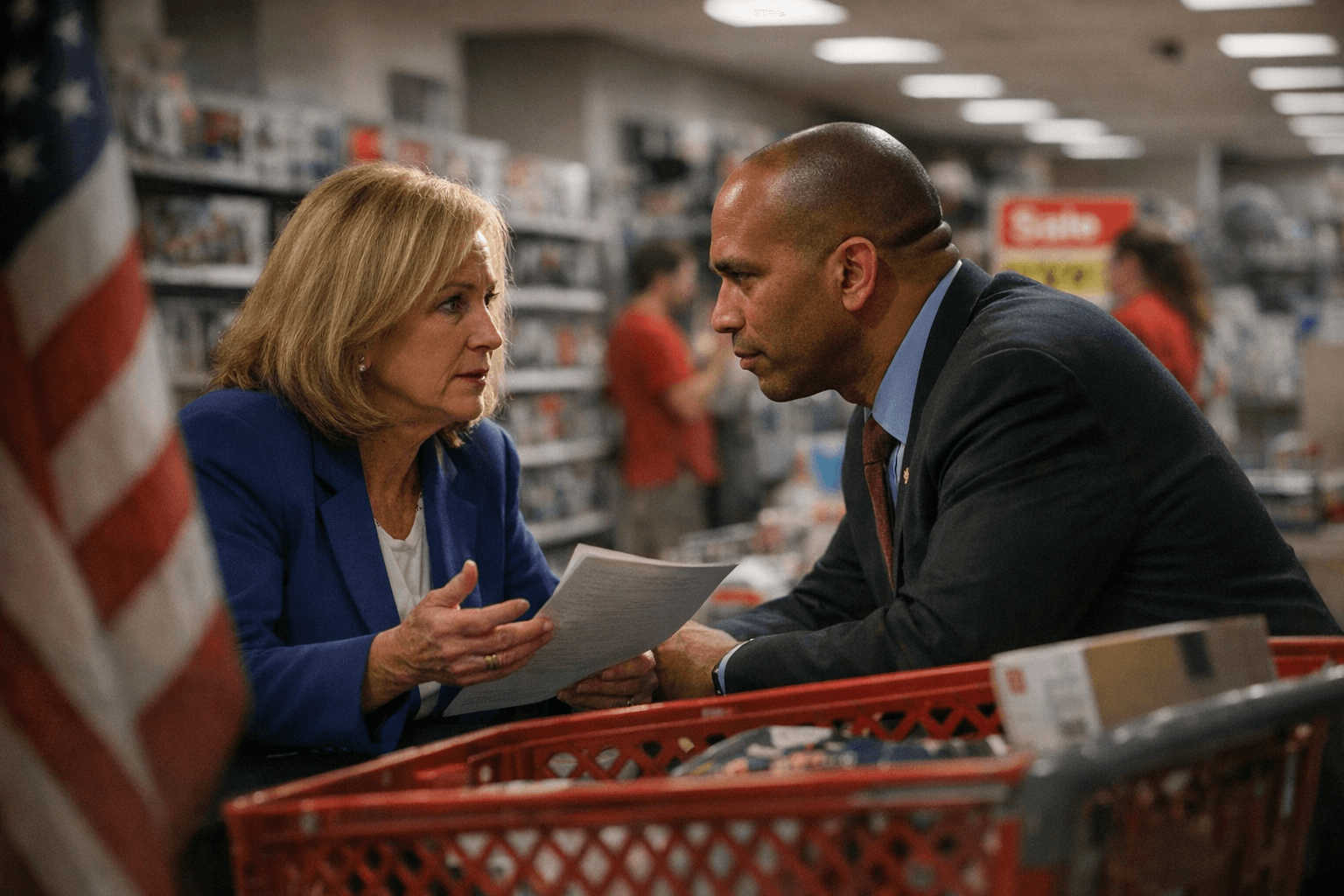
The first place a tariff refund would show up is not in Washington. It would be on a Target shelf, in a weekly ad price, or in the handful of seconds a team member gets at checkout to explain why one item moved and another did not.
That is the pressure point House Democrats are aiming at. In a letter sent April 23, 15 lawmakers asked the chief executives of major retailers and shippers, including Target, to make sure any refunds from tariffs go back to consumers instead of being diverted into buybacks or executive compensation. Their warning came just as U.S. Customs and Border Protection opened a new portal for refund requests after a court order tied to the Supreme Court’s ruling against broad tariffs imposed under a national-emergencies law.
For Target stores, the politics matter less than the operating question: if the company gets money back, where does it land first? The most visible effect would likely be on pricing decisions for imported goods, especially categories where even a small duty change can affect the math on a promotion or a clearance reset. If those costs come down, shoppers may expect the difference to show up quickly in the aisle, not just in earnings commentary.
That creates a direct test of Target’s value message. Customers who already feel squeezed by inflation are watching whether retailers keep prices steady, lower them, or simply widen margins. If tariff relief does translate to the shelf, workers on the floor are the ones who will hear about it first: why one brand dropped, why a promo changed, or why a seasonal item is suddenly easier to find.
It also leaves stores with a more complicated supply picture. Even when a duty is refunded, tariff rules can still shift sourcing, forecasts and order timing. That means the impact may not be limited to sticker prices. It could also affect inventory availability and how much room leaders have to keep labor aligned with demand, especially if price-sensitive shoppers respond quickly to visible cuts or better promotions.
The lawmakers’ letter sends a clear signal that retailers are being watched on how fast and how visibly they pass savings through. For Target, that puts value strategy, merchandise pricing and guest trust in the same lane. If tariff refunds become real dollars, the business will be judged less by where the refund came from than by whether shoppers can see it in the cart.
This article was produced by Prism’s automated news system from verified source data, official records, and press releases, then run through automated quality and moderation checks before publishing. The system is built and supervised by the people who set the standards it runs under. Read our full AI policy.
Did this article answer your question?