How Target team members can report safety, wage and retaliation concerns
Federal guidance and agency contacts lay out steps for retail team members who need to raise workplace safety, wage and hour, or retaliation issues, pointing employees to the Department of Labor, OSHA, and other federal agencies. The information matters because filing windows can be short, documentation is critical, and using the correct channel affects whether remedies and protections are available.
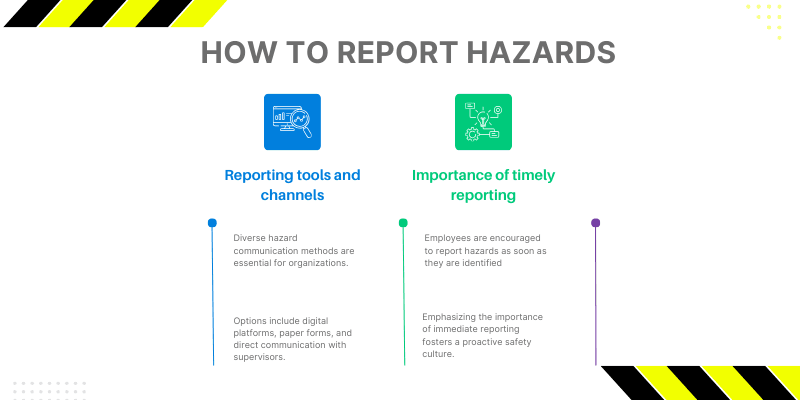
A consolidated resource guide directs Target team members to the federal agencies that handle workplace safety, wage and hour, and retaliation complaints, and it explains practical steps to preserve legal options. For alleged violations of minimum wage, overtime, or unpaid wages, the guide directs employees to the U S Department of Labor Wage and Hour Division, including local office listings and a Wage and Hour helpline that can accept inquiries and initiate investigations. For unsafe working conditions and safety related whistleblower claims, it points to the Occupational Safety and Health Administration and notes the agency s Federal Register guidance published on January 14, 2025. OSHA accept complaints online, by phone at 1 800 321 OSHA, by mail or fax to regional offices, or in person, and it offers a whistleblower complaint process and guidance on statutory filing time limits.
The guide also steers workers with other retaliation or discrimination claims to the relevant agencies, and it highlights Worker.gov as a central source that collates contact information and explains where to file for claims such as FMLA violations, discrimination, and alleged retaliation related to union organizing. Worker.gov explains the typical deadlines and which federal office handles each type of claim, including the Equal Employment Opportunity Commission and the National Labor Relations Board where appropriate.
The resource emphasizes practical steps workers should take immediately. Employees are advised to preserve documentation including dates, timecards, emails, and other records. The guide recommends reporting internally first when it is safe to do so, while also contacting the appropriate federal or state agency quickly because some remedies have short filing windows.

For Target employees, the most immediate impacts are legal and practical. Having clear filing paths can improve the likelihood of investigation and corrective action, and careful documentation can strengthen claims. At the same time internal reporting can raise concerns about retaliation, making knowledge of federal complaint channels and deadlines a critical part of workplace problem solving. Employees should consult the cited government pages for current forms, phone numbers, and regional office locations.
Know something we missed? Have a correction or additional information?
Submit a Tip