Immigration Raids Cut Customers at Twin Cities Target-Area Stores, Spur Protests
Immigration raids in the Twin Cities caused a steep drop in customers at Target-area stores and sparked protests, creating staffing strains and safety concerns for frontline employees.

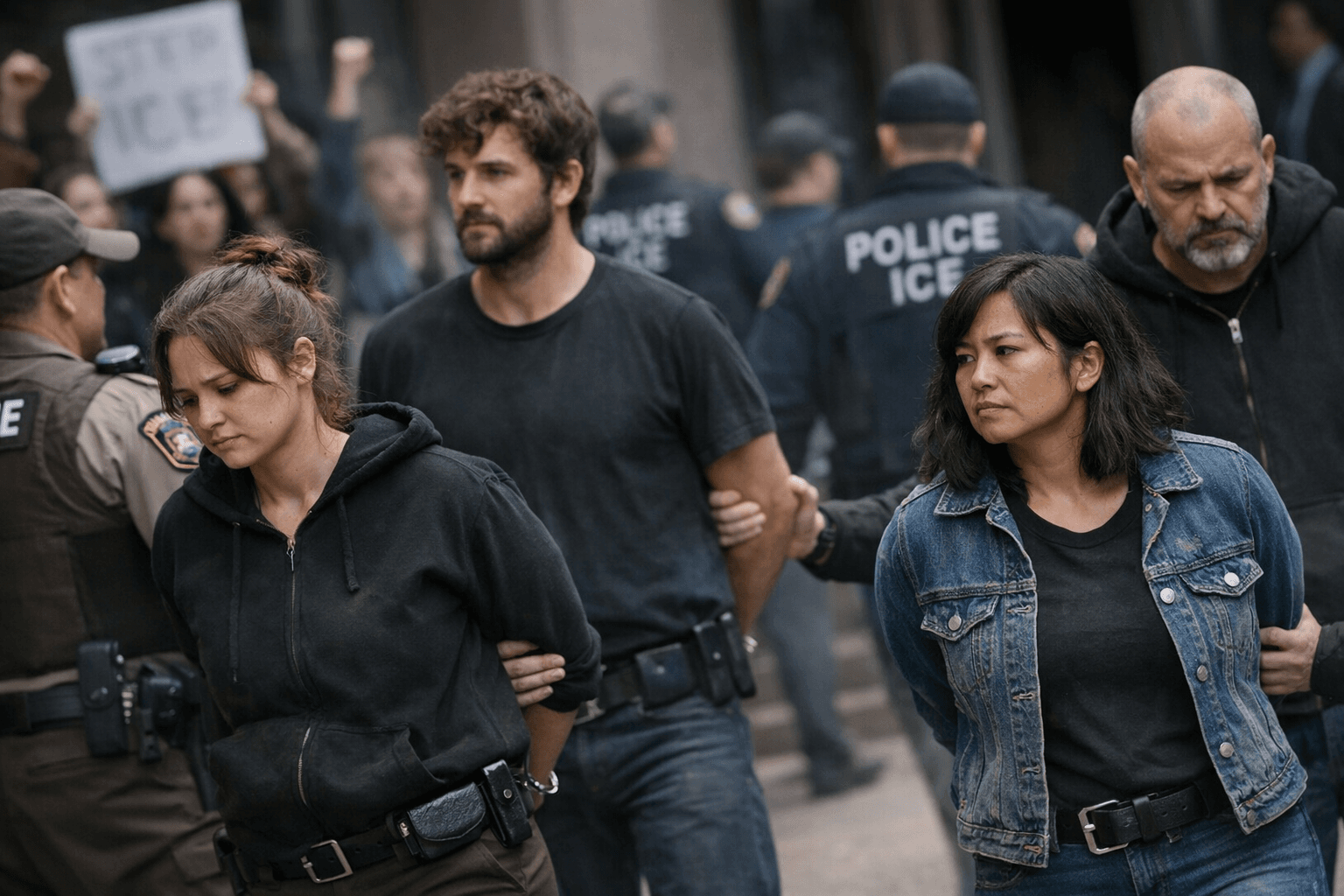
Immigration enforcement operations in the Twin Cities on Jan. 21, 2026 produced immediate economic and operational fallout for neighborhood Target-area stores, immigrant-serving businesses and the employees who staff them. The arrests and detentions that followed the enforcement actions drove many customers away, left aisles notably quieter, and prompted clergy and community groups to stage demonstrations at retail locations and public sites.
Store managers and community business leaders reported sharp declines in foot traffic after the enforcement activity. Reduced customer volume translated into fewer sales and shorter shifts for frontline team members, aggravating staffing challenges at stores that rely on regular local patronage. Many immigrant employees and customers stayed home out of fear of further action, creating gaps on schedules and pressuring managers to cover shifts on short notice.
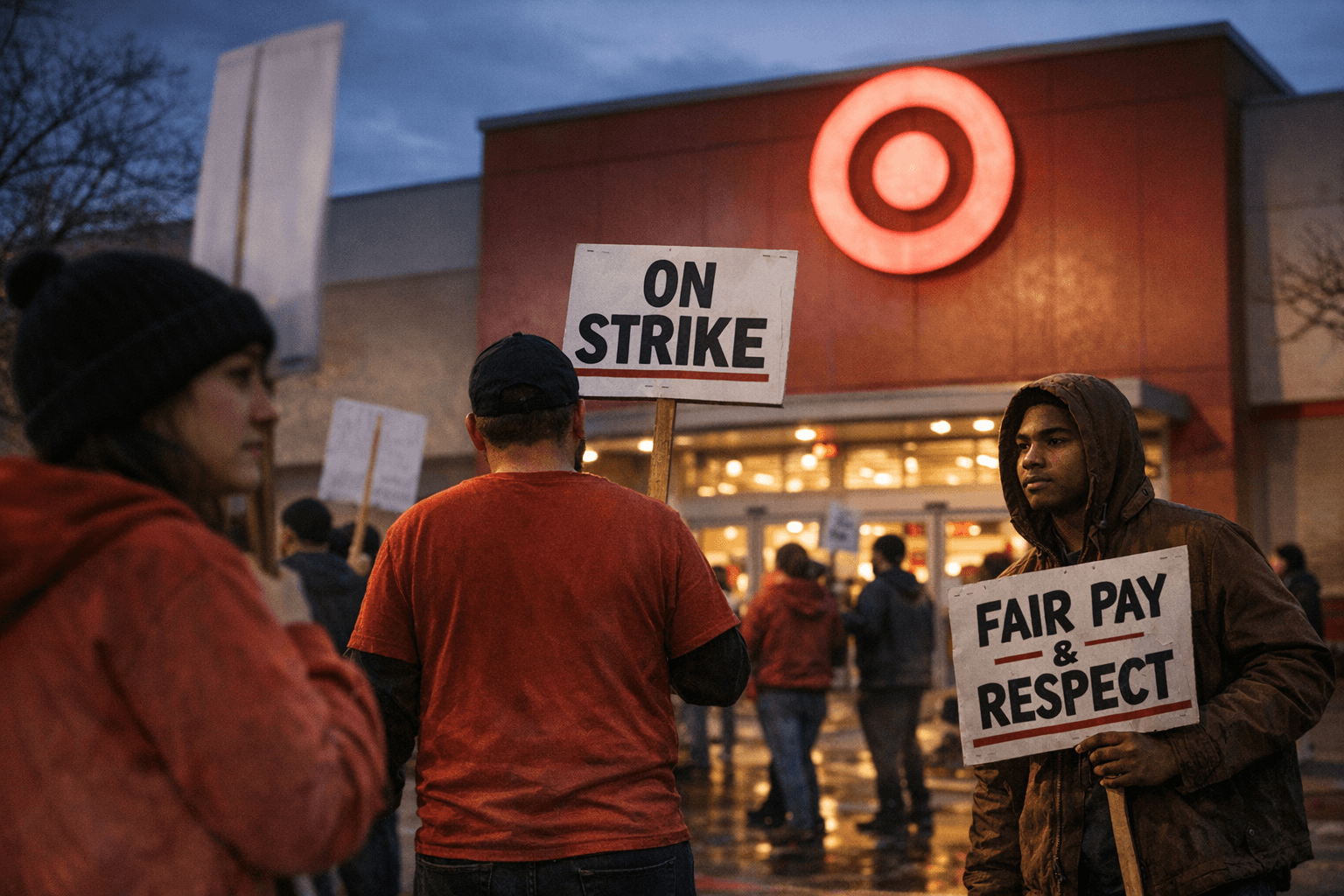
Community groups organized protests demanding protections for employees and urging retailers to refuse requests from federal agents to stage enforcement operations on private property. Demonstrators cited the operational disruption and the chilling effect on workers who are often paid hourly and lack paid leave. Clergy and local advocates gathered at several retail sites to call for clearer retail policies that would prevent private property from becoming staging grounds for federal enforcement activity.
For workers, the immediate impacts were practical and financial. Reduced hours meant lost wages for hourly team members, while heightened fear and uncertainty increased absenteeism and turnover risk. Staffing shortages forced store leads to rearrange labor, delay restocking and limit services in some stores, raising customer service pressures on the remaining associates. In stores near affected neighborhoods, managers reported fielding questions from nervous employees about safety and legal protections.
Retailers face reputational and operational choices. Community leaders pressed them to adopt explicit policies limiting cooperation with federal staging requests and to increase protections for staff. Local officials and advocates signaled they will continue public pressure and monitor whether companies change practices. For immigrant-serving businesses beyond the retail chain, the episode underscored how enforcement operations ripple through neighborhood economies, hitting workers who rely on steady foot traffic and predictable schedules.
The protests and the business impacts make clear that enforcement actions have consequences beyond the immediate arrests. For employees, the episode highlights the need for employers to prioritize clear communication, safety assurances and contingency staffing plans. For retailers and local leaders, the coming days will test whether policy responses or company policies can address community concerns and stabilize workplaces affected by the raids.
Know something we missed? Have a correction or additional information?
Submit a Tip