Incoming Target CEO Among 60+ Minnesota CEOs Urging Deescalation After Minneapolis Shooting
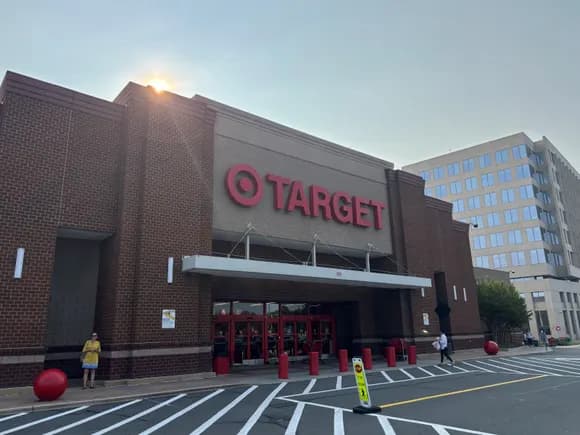
More than 60 Minnesota CEOs, including incoming Target CEO Michael Fiddelke, urged immediate deescalation after a Minneapolis shooting. Workers may face safety concerns and economic disruption.

More than 60 Minnesota business leaders called on public officials to calm tensions after a federal immigration enforcement operation in Minneapolis resulted in a fatal shooting. The Minnesota Chamber of Commerce posted a short, three-paragraph open letter on January 25 urging state, local and federal officials to work together to find practical solutions, and noting that Minnesota companies have been working behind the scenes with public officials.
Signatories included leaders from Target, where incoming CEO Michael Fiddelke was listed, as well as executives from Best Buy, 3M, General Mills and UnitedHealth. The letter framed the appeal as a broad business-community call for stability and cooperation rather than a direct condemnation of federal enforcement actions. The statement urged coordination among different levels of government to avoid further escalation and to protect public safety and economic activity.
Business groups and individual companies have been under rising pressure to take public positions after weeks of protests and a wider campaign targeting corporate responses. Companies in affected neighborhoods reported major economic disruption in some areas, including declines in sales, and the Chamber said businesses have been coordinating privately with officials to mitigate fallout. Those disruptions translate into immediate workplace concerns for store employees, delivery drivers, warehouse staff and others who interact with the public.
For Target employees, the letter and surrounding unrest have practical consequences. Frontline team members in Minneapolis and surrounding communities may face heightened safety risks during shifts, reduced foot traffic and sales that can lead to fluctuating hours or temporary store adjustments. Loss prevention and store managers may need to modify staffing plans, coordinate with local law enforcement, and address employee anxiety and attendance. Corporate communications and human resources teams typically handle crisis guidance, but store-level supervisors will shoulder much of the operational response.
Operations beyond storefronts can be affected as well. Distribution schedules, supplier deliveries and regional marketing activities may be disrupted if local conditions deteriorate, and companies that report sales declines in impacted neighborhoods may reassess staffing and inventory to align with changing demand. The public call for deescalation signals that major employers want predictable conditions to protect employees and business continuity.
For workers and managers, the immediate takeaway is to watch for guidance from employers and local authorities, prioritize safety protocols and expect possible short-term operational shifts. For corporate leaders such as Michael Fiddelke at Target, signing the letter is part of a broader business effort to press for coordinated policy responses that reduce community disruptions. How officials respond and whether tensions ease will shape staffing, schedules and store operations in the coming days.
This article was produced by Prism’s automated news system from verified source data, official records, and press releases, then run through automated quality and moderation checks before publishing. The system is built and supervised by the people who set the standards it runs under. Read our full AI policy.
Did this article answer your question?