Minnesota Day of Action Pressures Target to Bar ICE Operations
Thousands in Minnesota staged a statewide economic blackout called the "Day of Truth & Freedom" to pressure Target and other institutions to bar ICE operations on private property and protect workers.

Thousands of workers, students, faith leaders and union members across Minnesota participated in a coordinated "Day of Truth & Freedom" economic blackout on January 23 to protest a surge in federal immigration enforcement and press corporate actors to close their properties to immigration raids. Organizers urged people to stay home from work, school and shopping, and rallies and large marches in the Twin Cities drew mass participation from labor unions, community groups, cultural institutions and some local businesses.
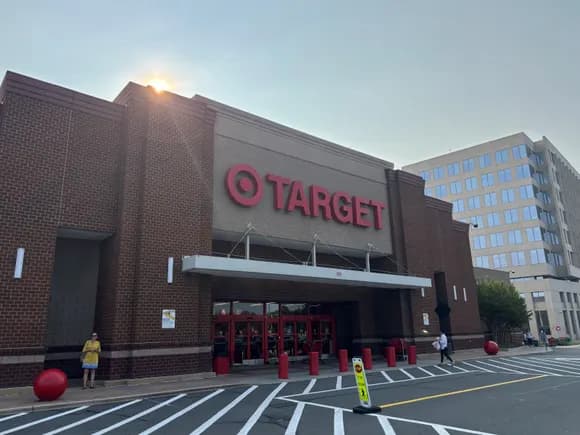
The action centered attention on Target, headquartered in Minneapolis, after reports that immigration agents have staged operations near and at some Target stores. Protesters and allied labor and faith leaders demanded that Target enact clear policies barring immigration enforcement staging on company property without warrants and take steps to protect store employees and customers who are immigrants or from immigrant households. Clergy who joined airport actions were arrested during the day, underscoring the volatility of protests tied to enforcement activity.
Organizers framed the walkouts and marches as a response to a string of high-profile enforcement incidents, including the killing of Renee Good, which has intensified community concern about the tactics and local impacts of federal immigration actions. The coalition that mobilized included unions representing service and public-sector workers as well as grassroots immigrant-rights groups, signaling broad labor-community alignment around workplace safety and corporate responsibility on civil liberties issues.
For Target employees, the action highlights several workplace dynamics. Store teams reported heightened uncertainty about scheduling and customer traffic as a subset of shoppers honored the stay-away call. Frontline workers face heightened safety and emotional stress in stores where enforcement operations or heavy protests occur nearby, and managers must balance operational continuity with employee welfare. The pressure campaign also raises bargaining leverage for organized workers and could accelerate internal demands for company policies that limit law-enforcement access to private property and clarify protections for noncitizen employees.
For corporate leaders and managers, the strike-style coordination demonstrates that community coalitions can move beyond symbolic protests to impose real operational and reputational costs. Target will need to weigh legal obligations, relationships with law enforcement, and the potential labor fallout from resisting or accommodating the demands.
What comes next is a test of whether Target adopts explicit restrictions on staging by federal agents and whether unions and community groups sustain coordinated pressure. For workers, the day underscores the importance of clear employer policies on law-enforcement interactions and of knowing workplace rights and protections as enforcement activity continues to shape store environments.
This article was produced by Prism’s automated news system from verified source data, official records, and press releases, then run through automated quality and moderation checks before publishing. The system is built and supervised by the people who set the standards it runs under. Read our full AI policy.
Did this article answer your question?