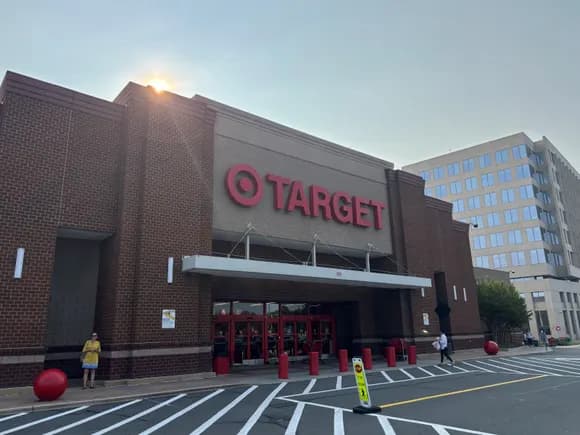
No Kings Protests Planned Near Southern California Target Stores This Weekend
Marches organized by Indivisible and 50501 passed within blocks of Target locations in Woodland Hills, Pasadena, and Torrance last Saturday as an estimated 9 million people turned out nationwide for No Kings Day.
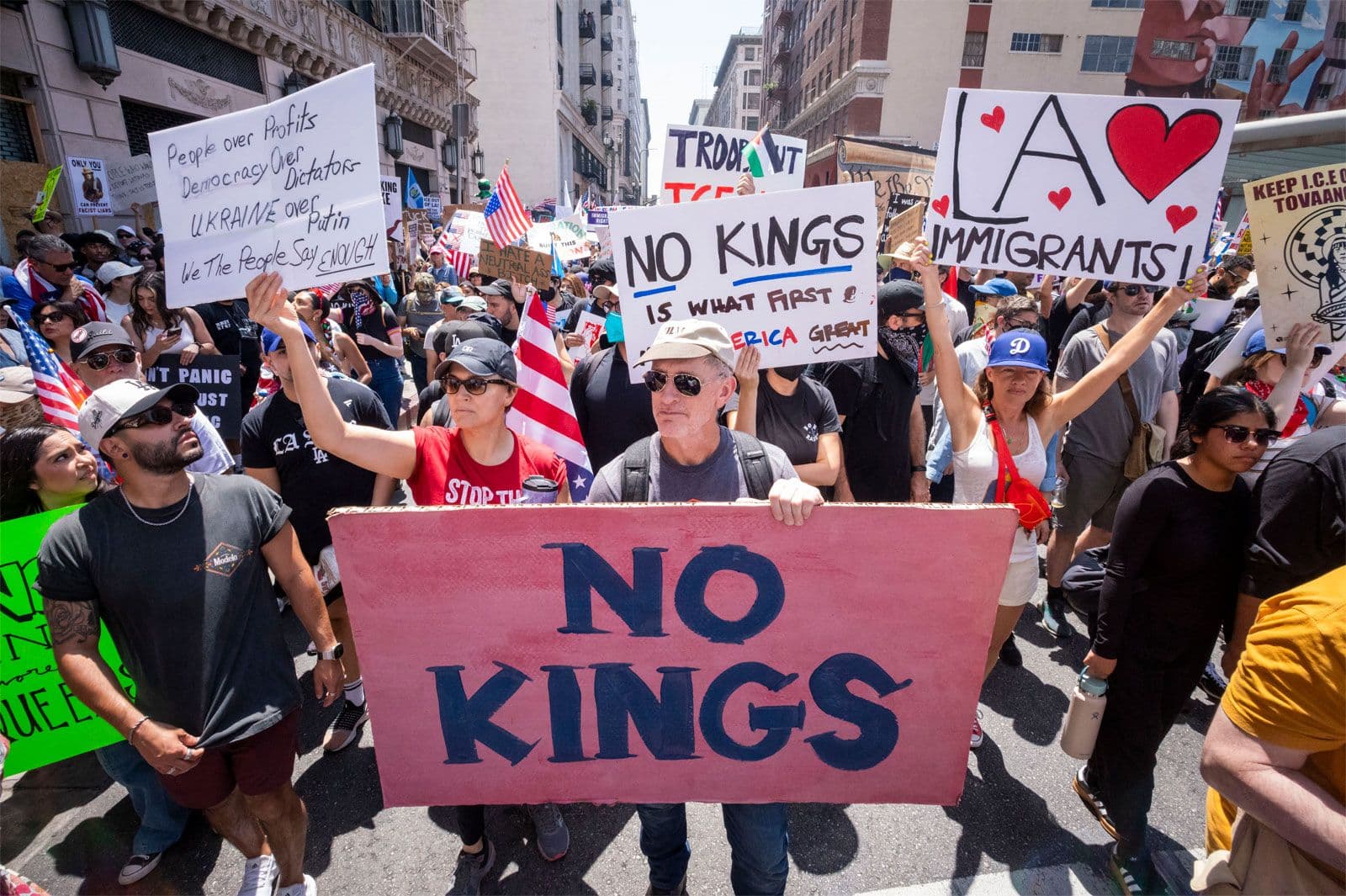
If you were clocked in at the Woodland Hills Target on Topanga Canyon Boulevard last Saturday morning, the day's first indication that March 28 was not a typical weekend came well before your shift hit peak hours. A No Kings gathering was scheduled from 10 a.m. to noon at 6600 Topanga Canyon Boulevard, directly outside the Westfield Topanga shopping complex where your store operates.
That scene repeated itself, in varying forms, across Southern California's retail corridors all day.
The No Kings Day of Nonviolent Action, organized by Indivisible and the 50501 Movement, drew what organizers predicted would be the largest single-day protest in American history: more than 9 million people across the country, with over 320 confirmed events in California alone. The coalition had been building toward March 28 for months, following a 2025 campaign that drew over 12 million cumulative participants. That organizing depth translated into specific, timed marches with published routes, giving store operations teams real lead time to act. Whether that lead time became an actual plan varied by location.
The Southern California schedule hit commercial districts hard. In Pasadena, marchers assembled at Pasadena City College at 11 a.m. and moved toward City Hall at 11:15, threading through the shopping district. In Santa Monica, a gathering at Ocean Avenue and Montana Avenue in Palisades Park ran from 11 a.m. to 1 p.m., with foot traffic rippling toward the Third Street Promenade area. Near Anaheim, La Palma Park at North Harbor Boulevard served as the 2-to-5 p.m. gathering point, close to several high-volume Target locations. In Torrance, participants marched from El Prado Park to City Hall at 3031 Torrance Boulevard starting around 10:30 a.m. In Los Angeles, the main rally ran from 2 to 5:30 p.m. at Gloria Molina Grand Park near City Hall, with a march beginning at 3 p.m. Caltrans placed security gates on downtown 101 Freeway ramps to keep participants off the highway.
Ezra Levin, co-executive director of Indivisible, framed the movement's core motivation plainly: "With every ICE raid, every escalation abroad, and every abuse of power at home, Americans are rising up in opposition to Trump's attempt to rule through fear and force."
Saturday was largely peaceful across Southern California. Mayor Karen Bass praised the conduct of demonstrators in Los Angeles. A curfew did take effect in downtown Los Angeles late that evening, a development that affected retail hours and team member commutes for anyone working or traveling through that corridor.
The operational lesson March 28 reinforces is not unique to this coalition or this cause. Large planned demonstrations clustered on weekend afternoons create predictable windows: guest counts can spike as curious foot traffic merges with participants moving through commercial corridors, or drop sharply when approach routes become impassable. The Topanga Canyon demonstration, for instance, ran through prime Saturday morning shopping hours. The Pasadena march moved past retail storefronts during the hour when those stores are typically ramping toward their busiest period. These are not surprises; they are published schedules. The stores that absorbed them most smoothly were almost certainly the ones that had an ETL briefing before opening, an AP walkthrough of the lot before 10 a.m., and team leads who already knew what to do if a guest interaction escalated beyond a service question.
The No Kings coalition has signaled continued organizing through 2026. For store leadership across Southern California, March 28 is now a data point worth capturing before the next one arrives.
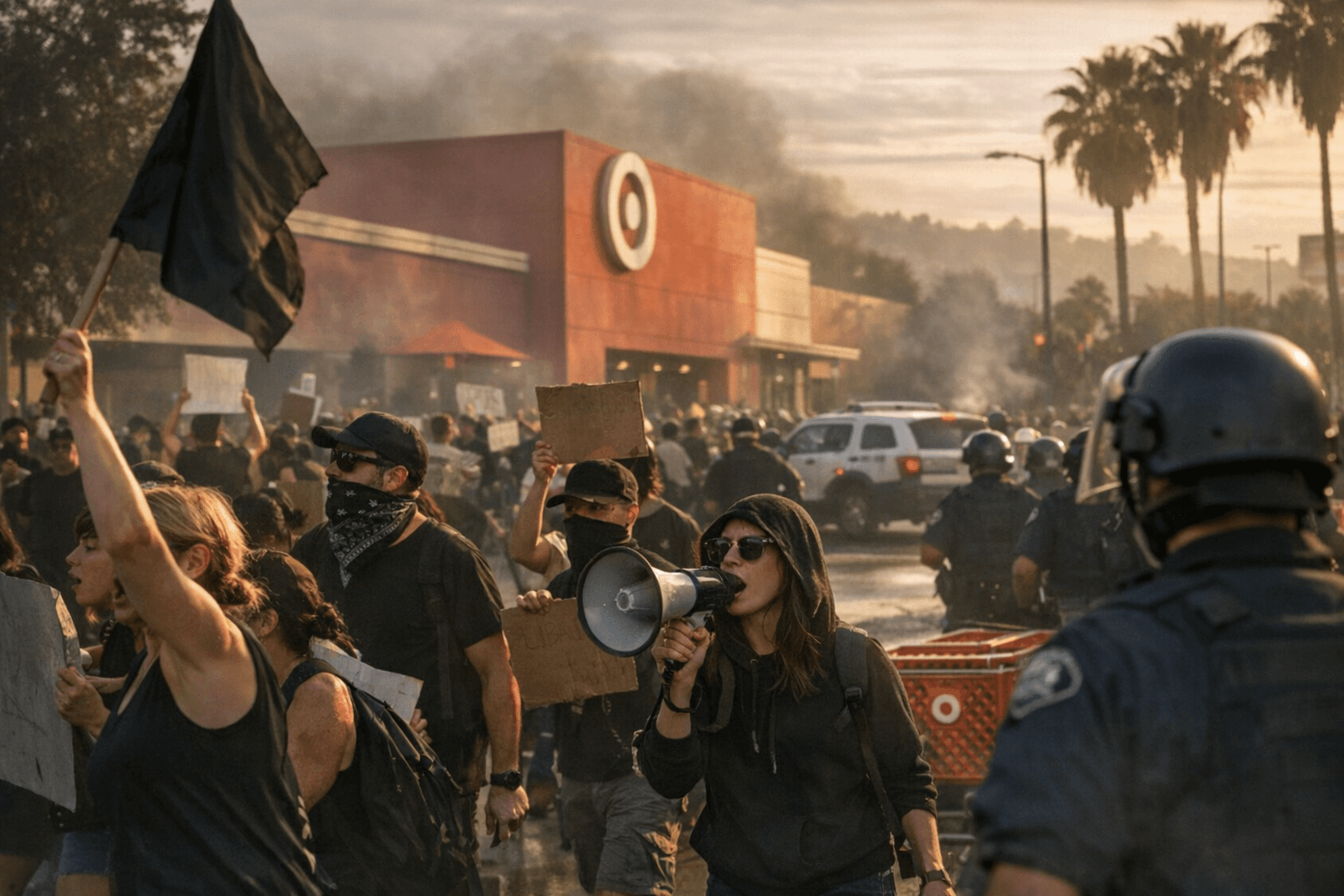
WHAT STORE TEAMS NEED TO KNOW: A PREPAREDNESS REFERENCE
Before a planned demonstration: Flag any confirmed civic actions to your store director and ETL-HR at least 48 hours in advance through your district's standard incident notification channel. Confirm march routes and timing windows using nokings.org or your local city government's events calendar. Adjust floor coverage to account for the specific demonstration window rather than generic weekend volume patterns. A march scheduled to pass your location between 11 a.m. and 1 p.m. is not the same operational challenge as one that runs from 3 to 5 p.m.
Brief your team leads before opening, not after a situation develops. De-escalation priorities are consistent regardless of the nature of the event: guest service first, neutral engagement on the sales floor, and a clear path to involve your ETL-AP if something escalates beyond a team lead's role. Team members should never feel that managing a tense interaction is their individual responsibility to resolve.
Parking and ingress are the first pressure points. Coordinate with your AP team lead on any access restrictions before your store opens. If street closures are confirmed near your location, communicate proactively with guests through your store's digital channels where possible.
For team members personally affected: If your commute runs through a confirmed march route, you can submit a schedule adjustment request to your ETL before your shift. Target's attendance policy allows for documented exceptions when commuting conditions are materially disrupted. Do not wait until you are late to communicate. Same-day adjustments are far more manageable for floor coverage when leadership hears about them before the shift gap appears.
After the event: ETLs and store directors should document staffing gaps, guest behavior patterns, and any safety issues in a post-event recap. Regional and district operations teams use these recaps to build better contingency plans for future high-visibility weekends. A staffing gap captured in writing today becomes a solved scheduling problem before the next one.
Key contacts for team members: Team member HR support is available through the Ask HR portal or by calling HRdirect. On-shift safety concerns go directly to your ETL-AP or AP team lead. Schedule flexibility requests should reach your direct team lead or ETL-HR before your scheduled shift start, not after.
This article was produced by Prism’s automated news system from verified source data, official records, and press releases, then run through automated quality and moderation checks before publishing. The system is built and supervised by the people who set the standards it runs under. Read our full AI policy.
Did this article answer your question?