Organized Return Fraud Targeted Major Retailers, Costing Millions
An organized online refund operation that marketed services under names like Noir Luxury Refunds used manipulated returns and shipping records to extract millions from large U S retailers, including Target. Federal charges and guilty pleas have begun to dismantle the ring, but the scheme highlights growing pressure on store employees who process returns and on retailers to tighten fraud controls.
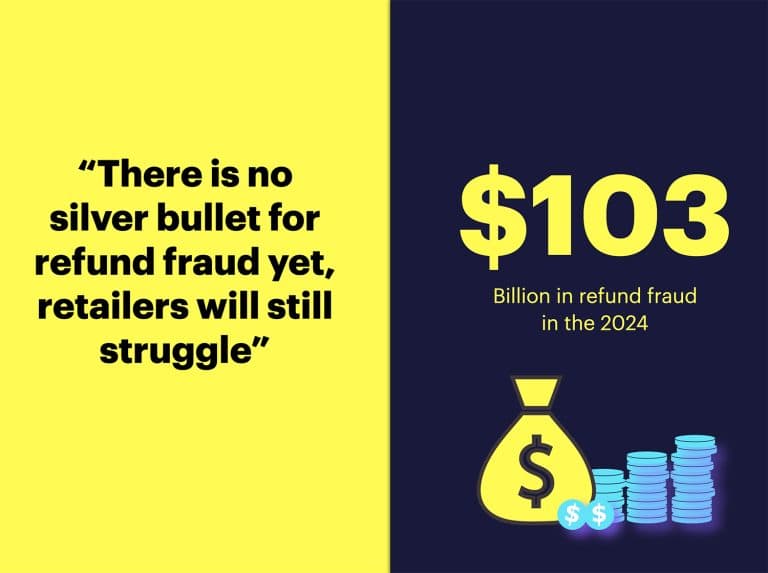
Federal prosecutors charged multiple people after an investigation uncovered a coordinated refund fraud operation that targeted large U S retailers over roughly two years. The group advertised services on platforms such as Telegram, processed fraudulent refund claims and generated estimated losses to affected merchants of roughly 1.5 million to 3.5 million dollars. Nine defendants pleaded guilty in an Alabama federal court, and another Minnesotan, Andre Johannes Ischler Simonet, is set to plead guilty.
Officials allege the ring used several tactics to bypass retailer controls. Fraudsters made false empty box claims, manipulated shipping labels to fake returns, exploited return policies and abused inventory systems to make it appear merchandise had been returned when it had not. The scheme relied on the reach of e commerce to scale activity across many stores and merchant systems.
Retailers worked with law enforcement and industry partners to identify patterns, trace transactions and execute enforcement actions that helped shut down portions of the ring. Target provided a statement that it works internally to detect and stop fraud and that it collaborates with partners and industry groups, and the company declined an on the record interview for this story.

For employees the fallout is immediate. Store staff who handle returns and customer service can expect increased scrutiny and new procedures aimed at preventing sophisticated refund fraud. Loss prevention teams may see a heavier investigative load and greater pressure to implement technology and process changes. That can translate into longer return waits for customers, more frequent manager reviews of transactions and additional training requirements for frontline workers.
The case also underscores a broader trend in which online marketplaces and shipping networks create new avenues for fraud. As retailers tighten controls, investigators expect fraud rings to adapt, which will require ongoing collaboration between stores, payment processors and law enforcement. For Target employees the episode is likely to mean more tools and rules designed to protect company assets, and a continuing emphasis on vigilance at the point of return.
Know something we missed? Have a correction or additional information?
Submit a Tip