Retailer ties AI to layoffs, reshaping back-office and store work
Bed Bath & Beyond tied AI to a major headcount cut, a warning sign for Target workers as retailers use automation to reshape staff, not just tasks.
Artificial intelligence is no longer being sold in retail as just a faster search tool or a better chatbot. At Bed Bath & Beyond, chief executive Marcus Lemonis told analysts that AI would drive a significant reduction in headcount, with supply chain, IT, accounting, marketing and merchandising among the functions most exposed.
The timing made the remarks land harder. They came as the company reviewed first-quarter results and an ongoing restructuring, which put AI in the same frame as cost cutting and a broader redesign of how the business runs. That matters for workers because it shifts AI from a guest-facing convenience to a management decision about which work gets done by people, which gets compressed by software and which departments shrink around the edges before anyone announces a formal automation plan.

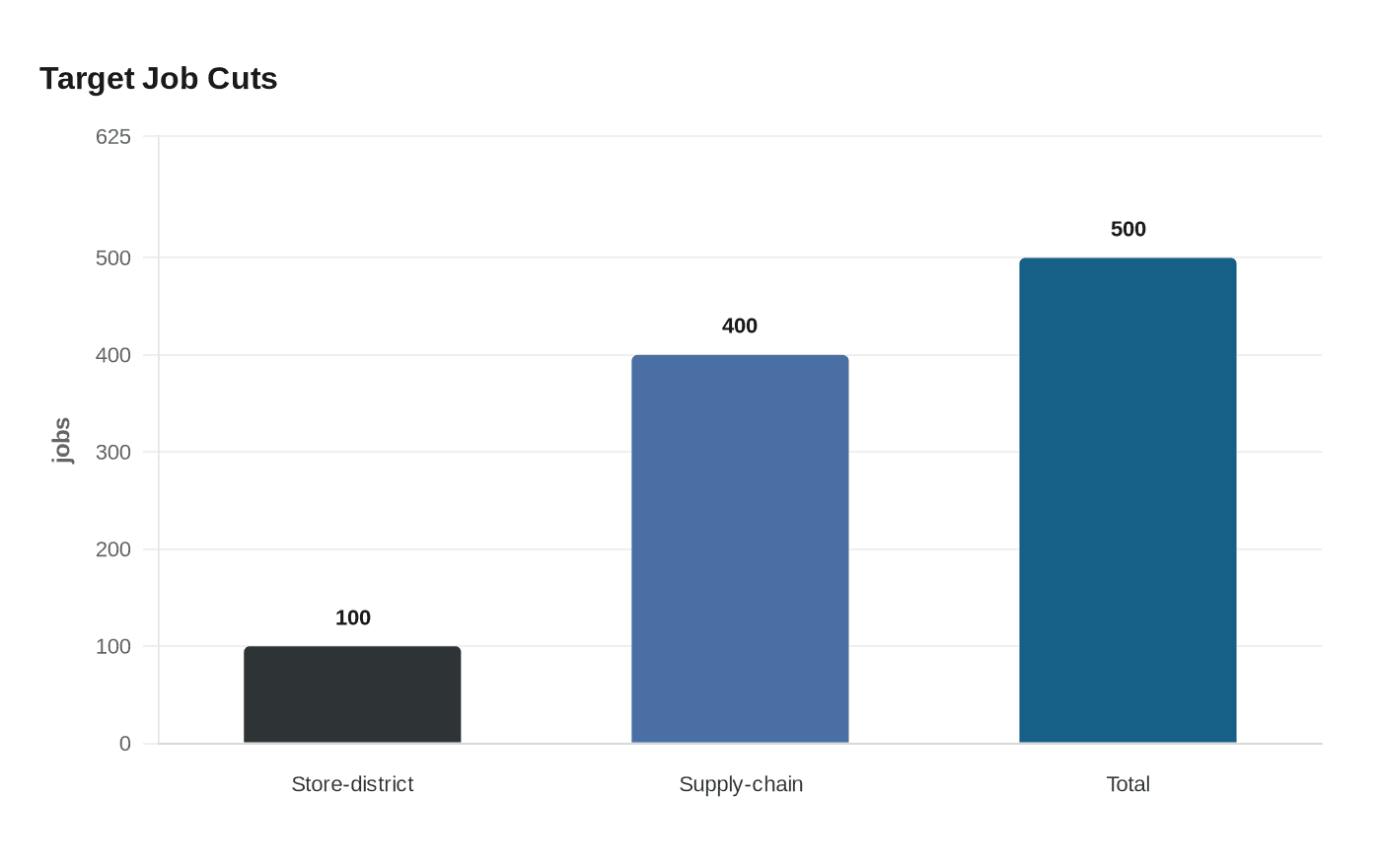
For Target team members, the parallel is hard to miss. On February 9, 2026, Target said it would eliminate about 500 jobs, including about 100 at the store-district level and about 400 across supply-chain sites. The company also said it was reducing the number of store districts so payroll could be redirected to more frontline hours and guest-experience training. In other words, one of the country’s biggest retailers is already pairing restructuring with labor reallocation, even without using the language of AI layoffs.
Target has also been explicit that technology, including artificial intelligence, is part of its operating model. In its 2024 annual report, the company described a connected ecosystem of data, insights and technology, including AI, and said one goal was to simplify work for teams so it would be easier to deliver a great guest experience. That framing is familiar to anyone in a Target store, distribution center or headquarters team: technology is presented as a way to reduce friction, but the real question is whether it trims repetitive tasks, shrinks teams or changes the scope of the job itself.
The retail industry has a strong financial incentive to push in that direction. McKinsey has estimated generative AI could unlock between $240 billion and $390 billion in economic value for retailers, which helps explain why executives keep returning to AI as both a productivity tool and a cost lever. For Target workers, that means the debate is no longer about whether AI exists in retail. It is about which parts of the work get automated first, and how much of the workforce is reshaped in the process.
This article was produced by Prism’s automated news system from verified source data, official records, and press releases, then run through automated quality and moderation checks before publishing. The system is built and supervised by the people who set the standards it runs under. Read our full AI policy.
Did this article answer your question?