Retailers Brace for Busy Holidays, Target Faces Staffing Strains
A new annual survey from UKG shows most retailers expect heavier holiday traffic and are hiring seasonally, yet many report significant staffing shortages that could affect store operations. For Target and other big box chains the findings highlight growing reliance on AI driven scheduling and flexible shift programs, a trend that will shape frontline workloads and employee choices this season.
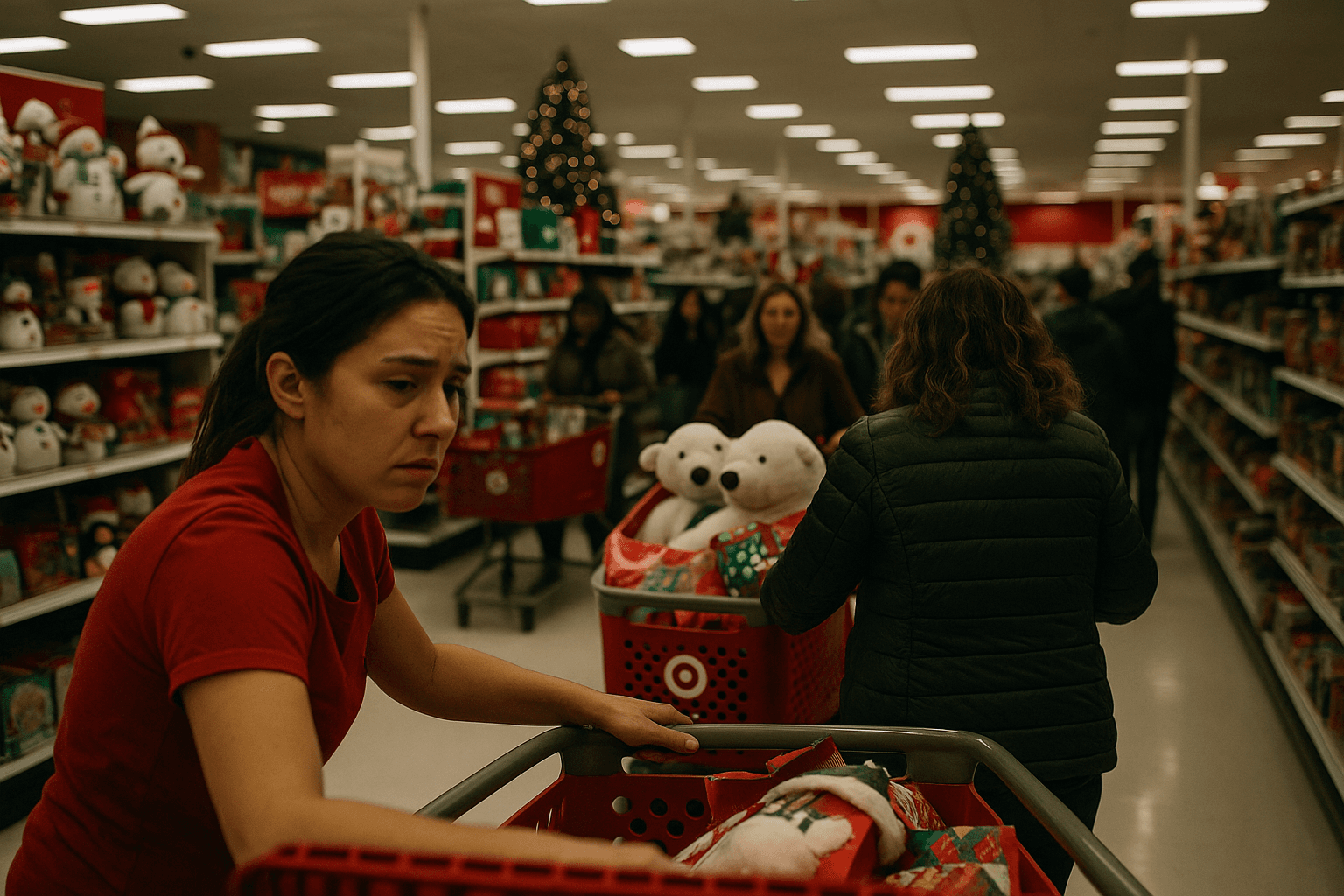
The UKG annual holiday hiring survey, published via Business Wire, paints a picture of heightened holiday demand paired with persistent staffing challenges across retail. Most employers in the sector said they expect busier holiday periods and have begun seasonal hiring, with a substantial share starting recruitment in September or earlier. Despite those efforts many retailers reported ongoing shortages that could leave stores short staffed during peak days.
The survey finds that retailers are leaning more heavily on technology to manage the pressure. Employers increasingly use artificial intelligence and workforce management tools to forecast customer demand and optimize schedules, a move intended to align labor supply with busy periods while reducing manual planning. At the same time many store managers expect understaffing on multiple days a week during the peak season, suggesting the technology may not fully close the gap between staffing needs and available workers.
For Target, a major big box employer that competes for seasonal workers across multiple markets, the survey underscores familiar operational tensions. Early hiring drives signal competition among retailers to lock in seasonal staff, while widespread reports of shortages increase the likelihood that Target stores will need to rely on scheduling flexibility and on demand shift programs to cover gaps. Those programs offer employees more choice over hours, but they also shift some scheduling responsibility onto workers and can introduce variability in weekly income for frontline employees.
The staffing outlook has immediate implications for customer service and employee workloads. Understaffed shifts can increase pressure on associates who remain on the floor, extend checkout times and reduce time available for stocking and safety checks. For managers, balancing labor costs, employee preferences and operational needs will require heavy reliance on forecasting tools and faster schedule adjustments as traffic patterns evolve through November and December.
As retailers move through the holiday season the UKG survey suggests labor will remain a dominant factor shaping store operations. For Target workers that may mean a blend of greater schedule flexibility, continued staffing tightness on key shopping days and increased use of technology to set and adjust shifts in real time.
This article was produced by Prism’s automated news system from verified source data, official records, and press releases, then run through automated quality and moderation checks before publishing. The system is built and supervised by the people who set the standards it runs under. Read our full AI policy.
Did this article answer your question?