Retailers push AI tools to help store associates answer customers faster
Target’s Store Companion and Ace Hardware’s Hey ARMA show AI moving onto the sales floor, where faster answers could save time or just add another screen.
Target’s Store Companion and Ace Hardware’s Hey ARMA are pushing AI into one of retail’s most time-sensitive jobs: answering a guest before the moment passes. At Ace, the assistant is already in more than 2,300 stores. At Target, the tool has been in nearly 2,000 stores since the chainwide rollout wrapped in August 2024, after a pilot in about 400 locations. The common thread is not novelty. It is whether an associate can get a fast, usable answer on the floor without hunting through manuals, waiting on a leader, or leaving a guest standing at the end of an aisle.
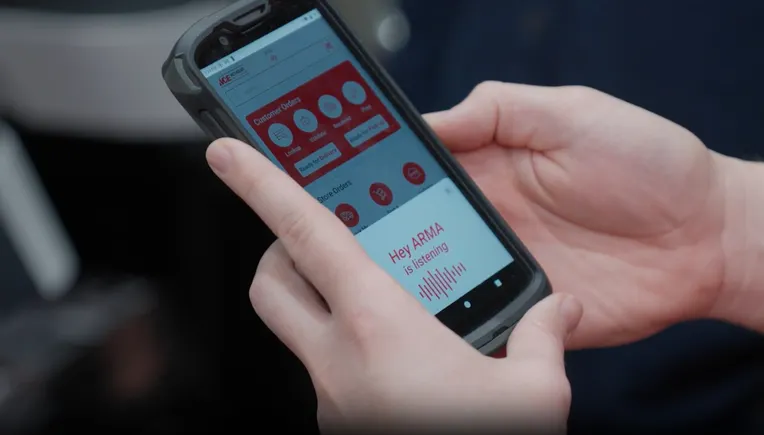
Ace says Hey ARMA gives red-vested associates real-time information and guidance through handheld devices. The system can compare products, suggest project ideas, recommend items, and help staff locate products customers bought elsewhere. That matters because those are the moments when store work moves fastest: a shopper asking which drill bit fits a specific job, a parent comparing back-to-school supplies, or an associate trying to track down a missing item while the line keeps growing. Ace says it has more than 8,800 locally owned and operated stores globally, which suggests this is no longer a small test tucked into a tech lab. It is a front-line operating model spreading across a large retail footprint.
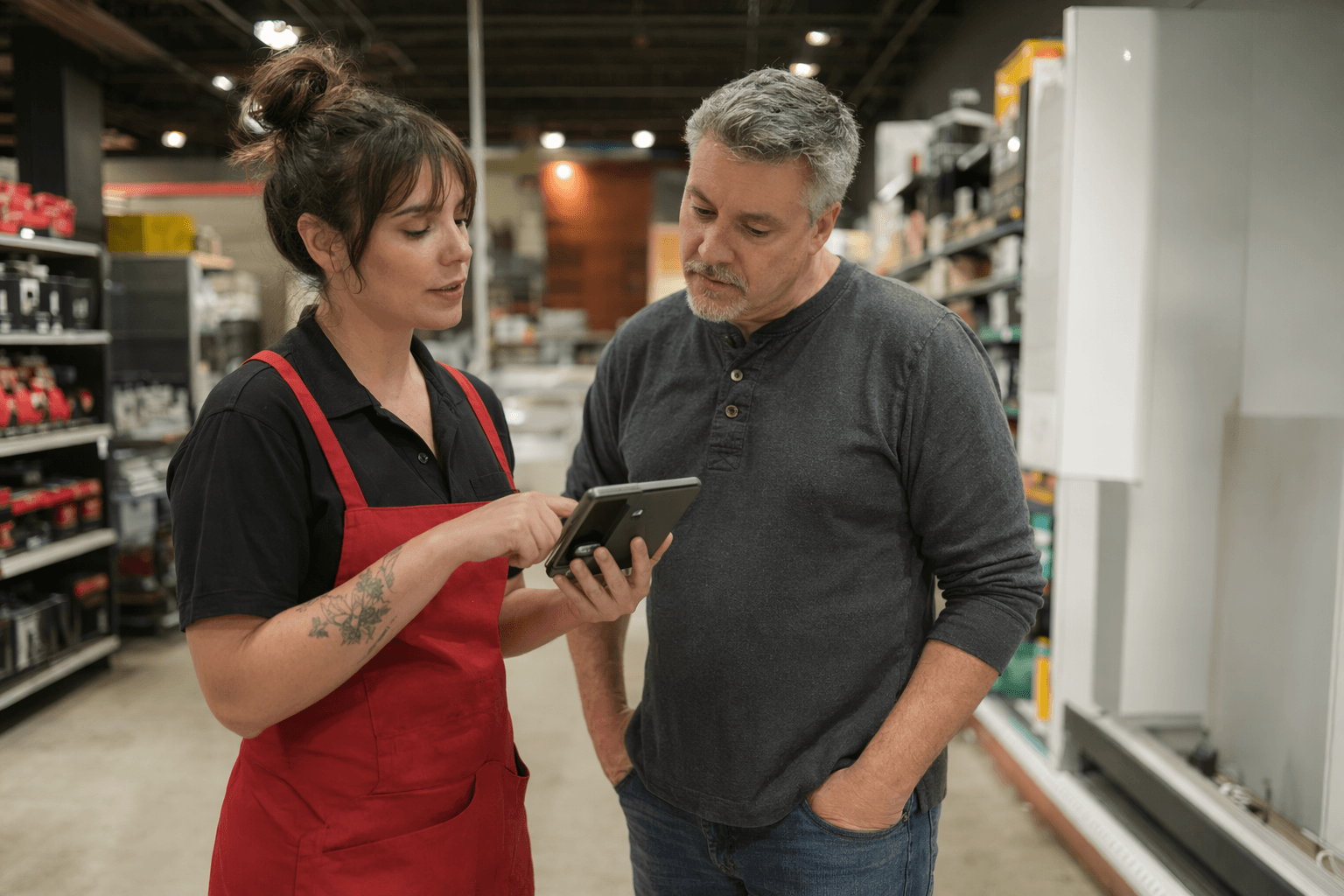
Target has already made its own bet on that model. On June 20, 2024, the company said Store Companion would answer on-the-job process questions, coach new and seasonal team members, and support store operations management through specially equipped handheld devices. Target said the tool was trained on real frequently asked questions, process documents from store teams, and input from experienced employees. That detail matters for store leaders because a generic chatbot is not much help when someone needs to know how to handle a checkout issue, where a backroom process lives, or what step comes next on a busy shift. Target said it piloted the tool in about 400 stores before widening it chainwide, then said it would reach hundreds of thousands of team members.
The company also cast the rollout as a labor tool, not a replacement plan. Brett Craig said Target kept experimenting with tools to make it easier for team members to do their jobs. Mark Schindele said the goal was to make daily tasks easier and help teams respond to guest requests with confidence and efficiency. In Champlin, Minnesota, store director Jake Seaquist said the pilot feedback had been strong and that streamlining day-to-day tasks meant more time with guests.
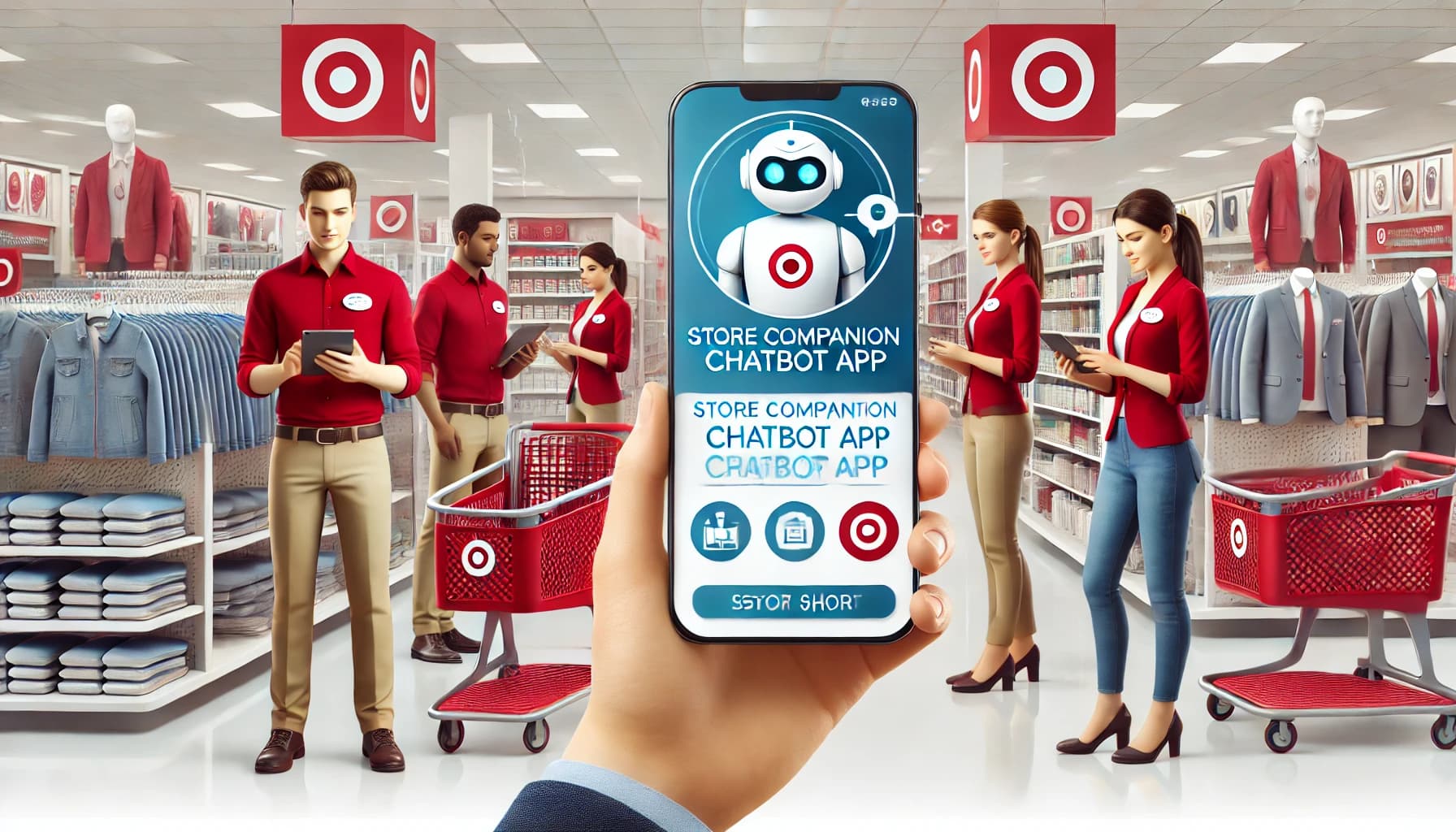
For Target, the sharper question is not whether AI can answer a product question. It is whether the tool becomes part of the workflow or just another system to manage between guest interactions, freight, and checkout coverage. The stores that win with this kind of software will be the ones that use it to shorten search time, speed up onboarding, and keep answers consistent across shifts. The ones that lose will add one more login to an already crowded handheld.
This article was produced by Prism’s automated news system from verified source data, official records, and press releases, then run through automated quality and moderation checks before publishing. The system is built and supervised by the people who set the standards it runs under. Read our full AI policy.
Did this article answer your question?