Starbucks drops AI inventory counts, a cautionary tale for Target teams
Starbucks is scrapping its AI inventory counts after nine months, a reminder for Target teams to demand tools that cut work, not add verification.
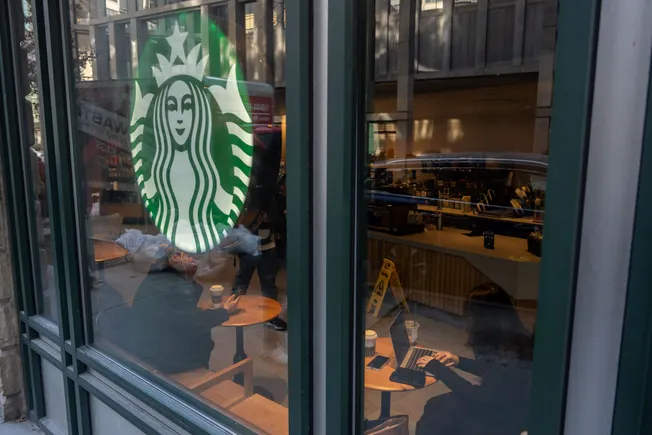
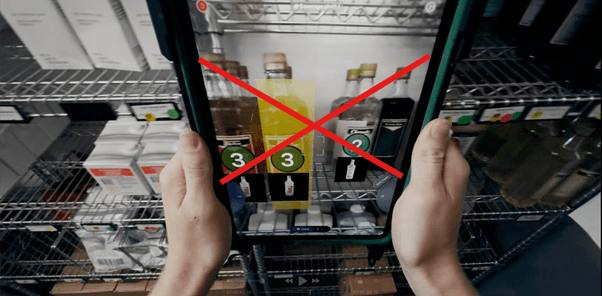
Starbucks is pulling back from its AI inventory counting system after about nine months, a sharp reminder for Target store leaders that automation only helps when it actually saves time on the floor. The company is moving back to a single, consistent process for all inventory counts after the computer-vision tool proved unreliable enough that employees saw it as another layer of work instead of a shortcut.
The reversal matters because the problem was not the idea of technology itself. Starbucks said it will keep investing in technology, but only where automation adds value. That distinction is exactly what Target team leads, ETLs and store managers should keep in mind as new tools roll into stores, backrooms and fulfillment areas. If a system cannot count correctly, forces people to recheck its numbers, or creates confusion about what is actually in stock, it is not reducing labor. It is shifting the burden onto the people closest to the shelves.

That is where the Target angle becomes more than a generic AI story. Target has made technology and AI central to its growth plan, saying it wants to accelerate technology so teams can move faster and create more personalized experiences for guests. In a store, though, the test is much narrower and much more practical: does a new tool make it easier to find product, keep counts accurate and stay ahead of shelf gaps, or does it add one more system that must be babysat before the work can get done?
Starbucks’ retreat shows how quickly the promise of automation can unravel when it runs into store reality. A tool that miscounts items, mislabels them or creates extra verification work can make backroom inventory less trustworthy, not more. For Target teams, that is especially important because the daily pressure already runs through fulfillment deadlines, shelf presentation, inventory accuracy and guest service. A system that does not fit those rhythms can slow down the exact operations it was supposed to improve.
The clearest lesson for Target is that change management is part of the technology, not an afterthought. Before any new inventory or store-operations system is treated as a benefit, managers should be able to show that it improves accuracy, reduces clutter and gives labor back to the floor. Starbucks’ rollback is a warning that if automation does not work cleanly in the store, frontline workers end up doing the correction work, and the company loses both time and trust.
This article was produced by Prism’s automated news system from verified source data, official records, and press releases, then run through automated quality and moderation checks before publishing. The system is built and supervised by the people who set the standards it runs under. Read our full AI policy.
Know something we missed? Have a correction or additional information?
Submit a Tip