Survey Finds Pay and Retirement Alignment, but Communication Gap Hurts Worker Confidence
88% of workers want benefits in plain language, but most never get it. Here's what every Target team member should ask before their next review cycle.
If you enrolled in Target's 401(k) plan but don't know the vesting schedule, you may already be leaving employer-matched money on the table. That is the practical cost buried inside Franklin Templeton's sixth annual Voice of the American Workplace survey, released April 9: employers and workers agree on what matters, but a persistent communication gap ensures that shared understanding rarely reaches the people who need it most.
The survey, conducted by The Harris Poll in November 2025 among 2,000 employed U.S. adults, found that 88 percent of workers want their benefits explained in plain language. In the same dataset, job security surpassed pay as employees' top priority, with 72 percent ranking stability over headline wages. That is a meaningful shift that reframes what "competitive compensation" actually means to an hourly workforce.
"What this research shows is not a lack of effort, but a lack of clarity," said Steve McKay, Head of U.S. Retirement, Insurance and College Savings at Franklin Templeton. "Employers are investing more than ever but employees need simpler, more actionable guidance to turn those benefits into real financial confidence."
For Target, which operates thousands of stores and employs hundreds of thousands of team members, that clarity problem compounds at scale. Both employers and employees identified the same top investment priorities: higher pay, boosting 401(k) matches, and guaranteed retirement income solutions. The alignment is real. But a match rate nobody explained during new-hire orientation, a vesting cliff nobody mapped to a start date, and a pay review cycle nobody put on a calendar can functionally cancel out every dollar a company claims to invest.
"Employees want benefits that are relevant, personalized and easy to understand," said Mike Dullaghan, Franklin Templeton's Director of Retirement Sales Execution. "Communication is critical to helping them make confident financial decisions." That is a blunt summary of where the gap lives for frontline retail workers.

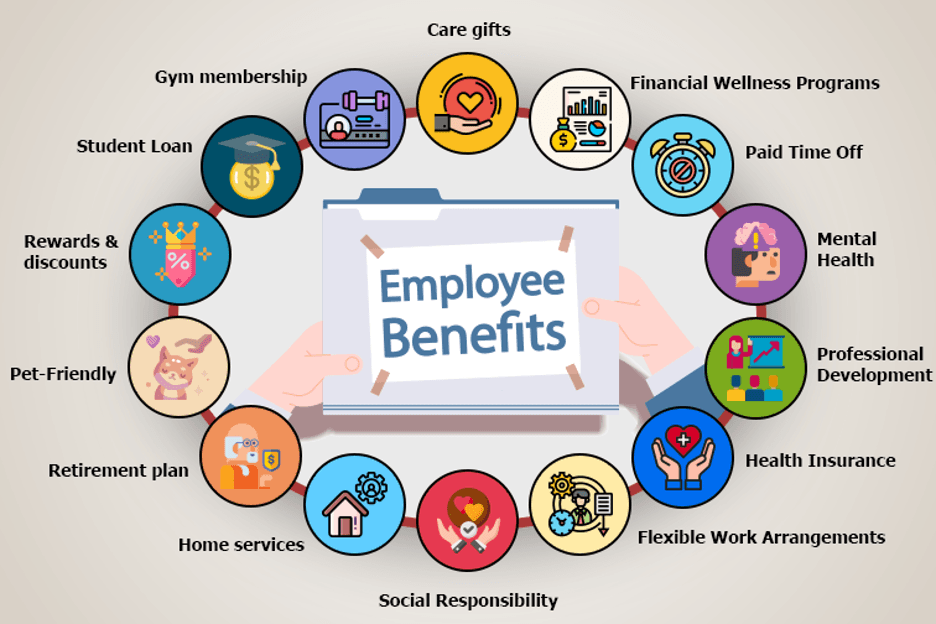
Here is where Target team members should focus. On pay: ask your ETL when your position's next review cycle falls and whether your store uses differential pay for overnight or specialized shifts. On retirement: confirm the exact 401(k) match rate, the vesting schedule, and which contributions vest first. On benefits eligibility: verify whether your average weekly hours qualify you for health coverage and ask whether you have both an HSA and FSA option, since the tradeoff between the two depends entirely on your plan type. These are not aggressive demands; they are the questions that prevent the most common and costly miscommunications the survey identified.
The script for a brief HR conversation is short: "Can you walk me through when my pay is next reviewed, how the 401(k) match works and when it fully vests, and confirm whether my current hours qualify me for benefits?" That single ask, posed to an HR business partner or ETL at the start of a shift, typically takes under five minutes and surfaces information that can be worth hundreds or thousands of dollars annually.
Franklin Templeton's data indicates the miscommunication shows up most in three places: retirement match details, benefits eligibility thresholds, and what employers call "total compensation" versus what workers actually see deposited. At Target, where portals like myTime, Workday, PaperlessEmployee, and DailyPay each serve a different function, knowing which system holds which answer is itself a form of compensation literacy worth building before the next review cycle, not after.
This article was produced by Prism’s automated news system from verified source data, official records, and press releases, then run through automated quality and moderation checks before publishing. The system is built and supervised by the people who set the standards it runs under. Read our full AI policy.
Did this article answer your question?