UNFI Strike Vote, DOL Cuts Signal Supply Chain Risks for Target
UNFI warehouse workers voted to authorize a strike while proposed DOL budget cuts threaten enforcement reach, putting Target's inbound supply chain at risk.
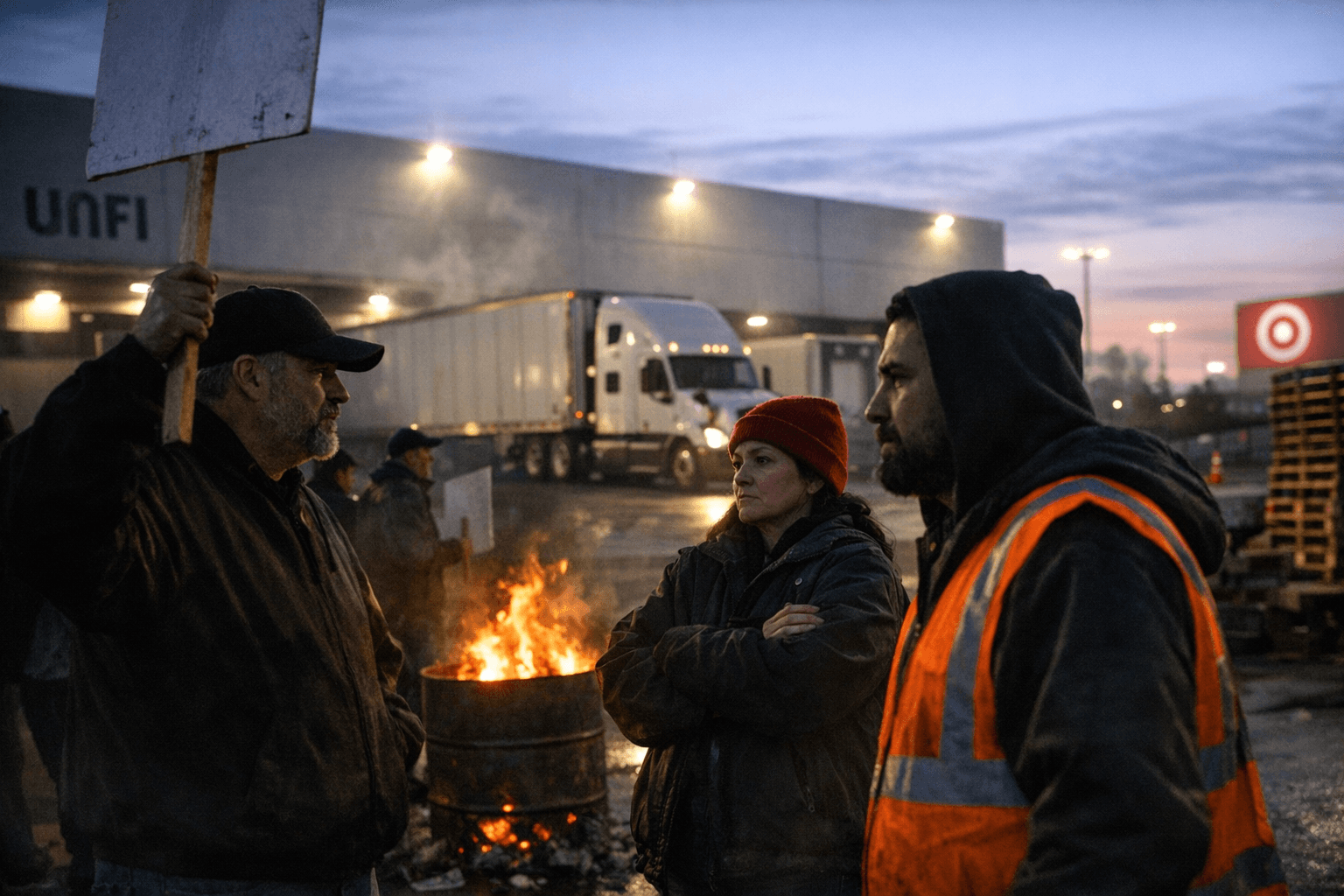
If you're unloading freight in a Target distribution center or restocking a store backroom, a labor dispute you've never heard of could affect how much work lands on your shoulders next week. UNFI warehouse workers voted to authorize a strike while federal proposals to cut the Department of Labor's budget moved forward simultaneously, creating a two-front challenge for the supply chain operations that keep Target's shelves stocked.
UNFI is a major distributor in the grocery and general merchandise sector. A work stoppage there would not stay contained to UNFI's docks: delayed inbound shipments cascade to stores as empty shelves, which cascade to store associates being pulled from their normal workflows to manage replenishment gaps and handle guest questions about out-of-stocks. The same-day fulfillment capability that Target has built over the past several years depends on consistent inbound flow; a strike at a key distributor puts that consistency at risk.
The proposed DOL budget cuts arrive at an awkward moment for anyone who relies on federal enforcement as a backstop. The Department of Labor oversees wage and hour compliance, including the timekeeping and break rules that govern what store backroom and DC associates are owed on every shift. A leaner enforcement agency does not change what employers are legally required to do; it changes how quickly violations get caught and corrected. For team members, that means the documentation habits you build now matter more, not less. If a missed break or a timekeeping discrepancy goes unaddressed, a reduced-capacity DOL takes longer to investigate it.
The National Labor Relations Board separately issued a ruling favoring cannabis warehouse workers' right to union representation, a decision that reflects the board's current direction on worker organizing rights. NLRB case law is actively redefining which employer handbook policies and scheduling practices cross the line into interfering with protected activity. Store leaders who encounter team member questions about wages, hours, or working conditions during any period of elevated tension should escalate those conversations to HR rather than address them on the floor, and should avoid any informal responses that could later be characterized as discouraging protected activity.
For Target DC and store backroom teams specifically, the practical steps follow from the risks. Cross-train now, before a disruption hits: associates who can pivot to priority replenishment tasks without a manager walking them through each step reduce the operational chaos when inbound shipments go sideways. Document every scheduling or pay change and the way it was communicated; that paper trail protects both team members and the store if a compliance question arises later. Safety training records and incident reports should be current and accessible, not tucked in a folder last opened during the last audit cycle. When supplier disruptions do occur and shelves run thin, clear messaging to guests on what to expect and when to check back keeps the situation from escalating at the service desk.
The UNFI vote has not produced a strike yet; authorization is the first step in a process that often leads to further negotiation. But the combination of a possible work stoppage at a key distributor and a federal enforcement posture that may grow less active in the near term is precisely the kind of compounding risk that Target's operational leadership should already be modeling.
This article was produced by Prism’s automated news system from verified source data, official records, and press releases, then run through automated quality and moderation checks before publishing. The system is built and supervised by the people who set the standards it runs under. Read our full AI policy.
Did this article answer your question?