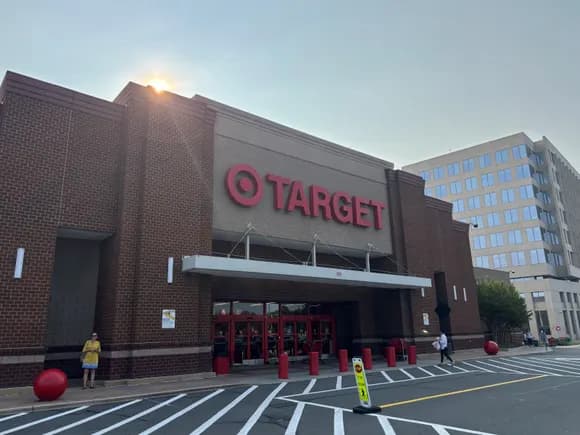
Target Adjusts Staffing and Safety Amid Immigration Enforcement and Tariff Fallout
A UC-Irvine survey found Orange County retailers have faced staffing disruptions and customer slowdowns tied to federal immigration enforcement and tariff policies, issues that affect Target employees' schedules and safety.

A UC-Irvine survey of Orange County businesses found that federal immigration enforcement activity in the Twin Cities and national tariff policy have rippled into local retail operations, producing staffing disruptions, reduced customer traffic when enforcement or related protests occur, and growing uncertainty about consumer behavior. Responses were collected through September and the findings were released in January.
The survey described how these national events translate into day-to-day challenges for stores ranging from locally owned shops to franchise locations. For Target workers, the implications include more volatile shift coverage, last-minute schedule changes, and heightened attention to store safety protocols at times of local demonstrations or law enforcement activity. Managers report needing to reassign staff, call in backups, and rearrange hours to maintain service while protecting employees.
Retail employers in the survey said customer patterns shifted when enforcement operations or protests generated news and community response. That drop in foot traffic can compound staffing strain: stores that expect steady hourly labor now face both underused labor during slow periods and sudden shortages when workers are unavailable because of transportation disruptions, household concerns, or community meetings. For large-format retailers like Target, which balance national staffing models with store-level schedules, those swings increase the administrative burden on store leaders and human resources teams.
Safety considerations have moved higher on the priority list. The survey noted that employers adjusted safety protocols around enforcement events and protests. In practice, those adjustments often mean clearer guidance for employees on when to stay home, when to report in, and when to lock or temporarily reduce services at a store entrance. Municipal officials have been part of the response in some communities, coordinating with employers and providing updates that affect store operations and staffing decisions.
For Target employees, the short-term effects may include more frequent communications from store management, temporary changes to posted schedules, and occasional shifts in how stores handle customer flow during heightened community tensions. Longer term, corporate scheduling systems and duty-of-care policies may be reviewed to better accommodate sudden local disruptions tied to national policy events.
Labor and scheduling teams will be watching whether these patterns persist as tariff policy and high-profile enforcement actions continue to influence consumer confidence. For workers, that means staying alert to manager communications, documenting schedule changes, and understanding local safety procedures. Employers and municipal leaders will likely keep adjusting operational playbooks as the interaction between national policy and local retail conditions evolves.
Know something we missed? Have a correction or additional information?
Submit a Tip