Target annual report shows weaker sales and explains company reset
Target’s latest annual report shows softer sales and a harder reset, which means tighter execution, cleaner stores, and more pressure on in-stock, checkout, and fulfillment.
Target’s total merchandise sales fell to $102.717 billion from $104.820 billion in the prior annual report, and several performance figures moved lower. It shows a business under pressure. For team members, that points to tighter staffing discipline, sharper inventory control, and even more attention on the basics that shape every shift.
What the annual report says about the business
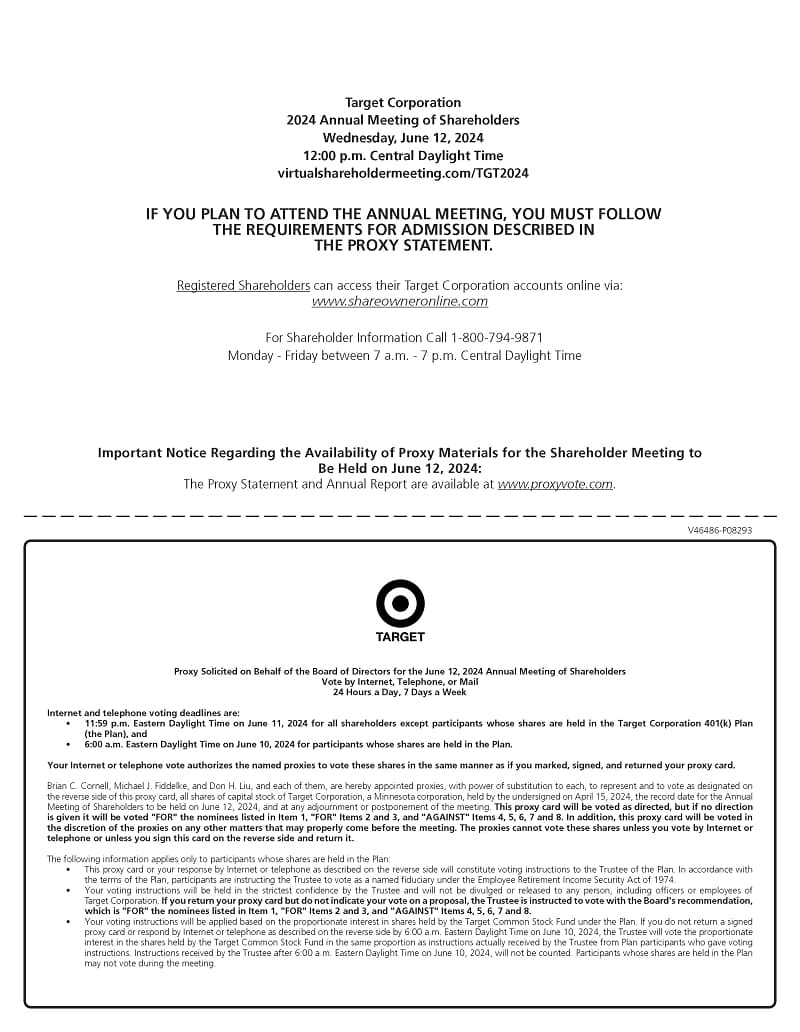
Target’s 2025 Annual Report shows three performance measures at -8.1%, -9.4%, and -8.2%. 2023 was also a 53-week year, which can distort simple year-over-year comparisons.
Even with that timing issue, Target has very little room for execution misses, whether those misses show up in shelf gaps, slow checkout, or fulfillment delays. Small changes in traffic, conversion, and guest satisfaction can have an outsized effect at that scale.
Why the reset matters on the floor
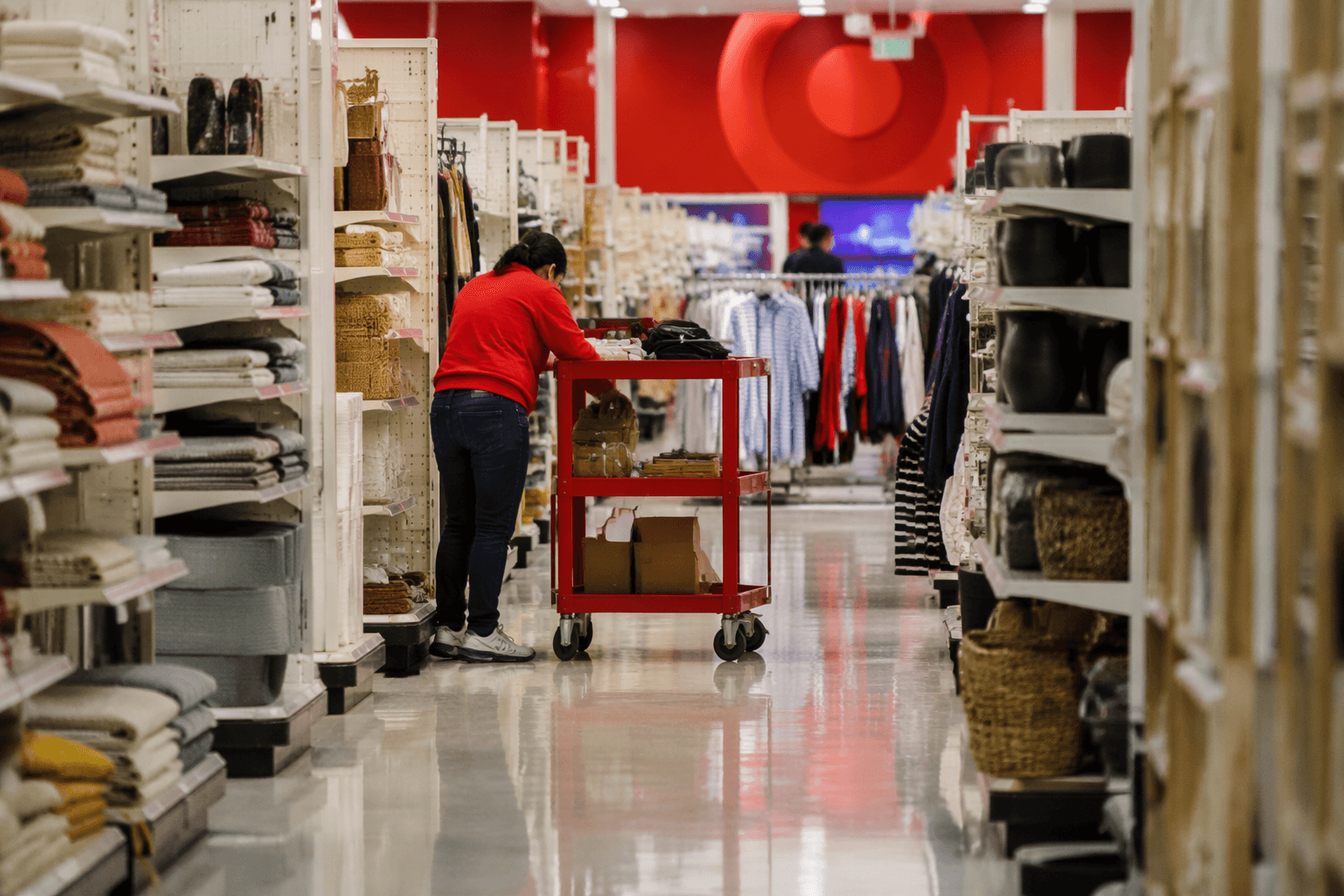
Store experience, brand relevance, and operating discipline are now central to the turnaround. Clean zones, reliable replenishment, guest service, and efficient fulfillment are not treated as side duties when the business is trying to recover momentum, they become the core of the job.
That is also where staffing and scheduling pressure shows up first. If leadership is focused on traffic and profitability, expect more insistence on fast recovery, tighter coverage of priority areas, and fewer tolerances for messy backrooms or empty features. Team leads and ETLs will feel that pressure in the way they coach to presentation, speed, and consistency, while team members feel it in the pace and precision expected on every shift.
Target’s CX strategy gives that shift a sharper edge. On March 4, 2025, Target put reliability at the forefront of its customer-experience strategy, with fast checkout and high in-stock rates as the goals. That lines up with the annual report’s emphasis on execution: if guests are supposed to see Target as dependable, then checkout flow, shelf availability, and pickup accuracy become business priorities.
Where Target is still leaning in
The earnings picture shows that Target is not retreating everywhere, even as the core business remains strained. In its fourth-quarter and full-year 2025 earnings release, Target said fourth-quarter net sales were $30.5 billion and in line with expectations. It also said non-merchandise sales grew more than 25%, membership revenue more than doubled from a year ago, Roundel grew in double digits, and marketplace grew more than 30%.
Food and beverage, beauty, and toys all delivered net sales growth in the quarter, while essentials and home improved compared with the third quarter. That suggests continued attention on the categories that drive repeat trips and help fill baskets, as well as on digital and membership-related revenue streams that support the broader business model.
For store teams, that can mean heavier emphasis on presentation and execution in the categories that are still working, especially the ones tied to traffic and repeat visits. If essentials and home are improving and beauty, food, and toys are growing, leadership will want those departments to look and function like proof that the reset is working. The practical effect is more pressure to keep the right items on the shelf, maintain clean adjacencies, and protect the speed of guest-facing operations.
The pressure behind the reset
The annual report also sits against a harder external backdrop. On May 21, 2025, Target cut annual forecasts as tariff pressure mounted and demand slowed further. That kind of pressure pushes a retailer toward more caution in ordering, tighter inventory discipline, and a harder look at what earns space, time, and labor.
For employees, that does not just mean a tougher spreadsheet in Minneapolis. It often shows up in the store as closer attention to what gets replenished, how much backstock is carried, and where leaders want the team to spend its time. In a business trying to protect profitability, every misplaced pallet, every slow guest interaction, and every hole on a shelf can become part of the same problem.
This article was produced by Prism’s automated news system from verified source data, official records, and press releases, then run through automated quality and moderation checks before publishing. The system is built and supervised by the people who set the standards it runs under. Read our full AI policy.
Did this article answer your question?