Target could face faster store calls as Home Depot expands AI agents
Home Depot’s AI phone agents now resolve routine calls in under 10 seconds, a speedup that could push Target teams toward faster triage and tougher escalation deadlines.
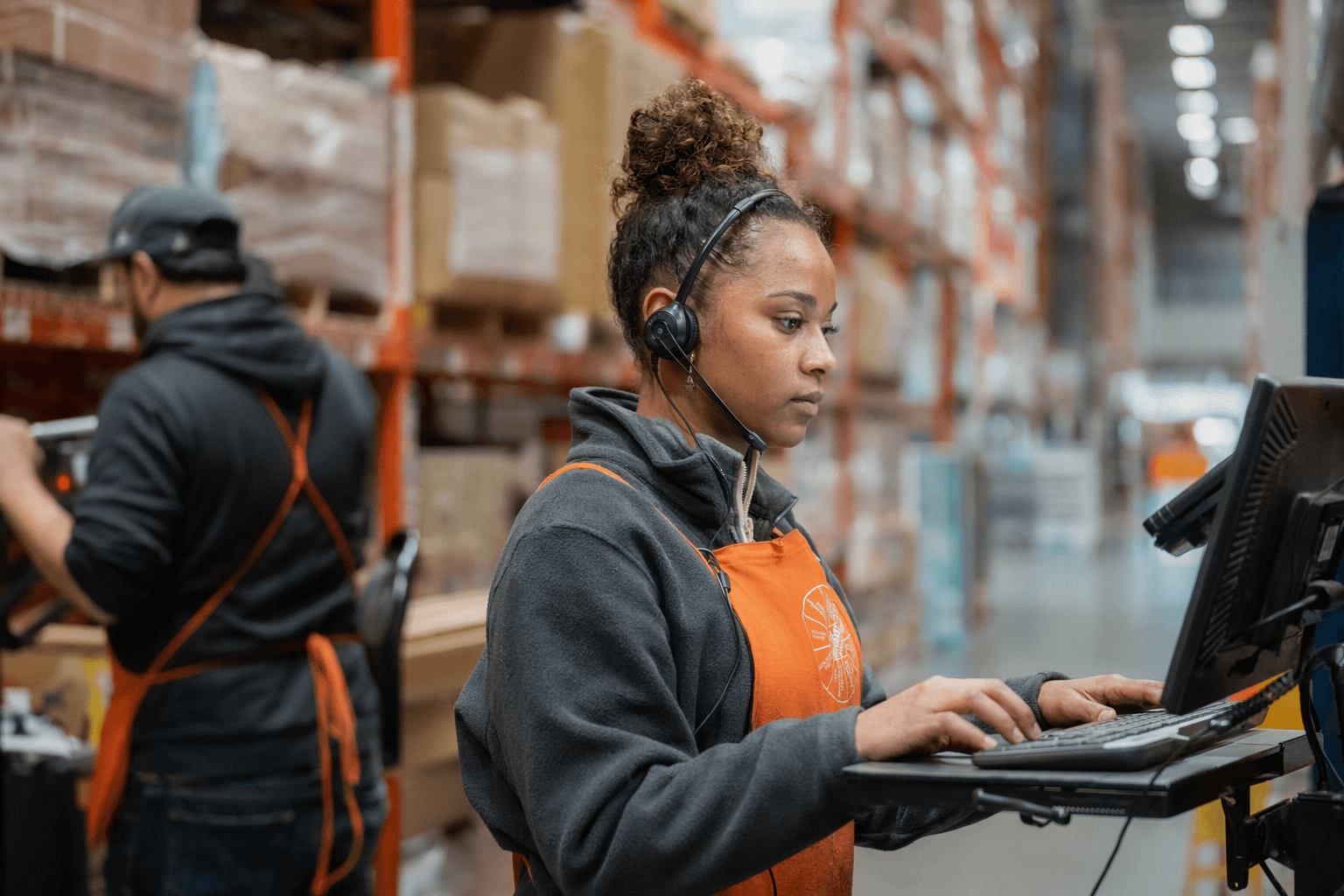
A customer calling about an order, product availability or store information may never need to wait through phone menus at Home Depot again. The company said its new AI-powered phone agents, built on Google Cloud’s Gemini Enterprise for Customer Experience, understood caller intent in fewer than 10 seconds during a 50-store pilot and delivered service four times faster than traditional phone trees.
Home Depot announced the system on April 22 at Cloud Next ’26 in Las Vegas and said it would expand to all U.S. stores over the next year. The agents can handle routine questions, provide real-time translations in many languages and still route callers directly to a human associate when needed. That mix matters for store labor because it shifts the first layer of support away from managers and frontline teams, while leaving the hardest cases for people to solve.
Home Depot said the pilot also pointed to a quieter workplace effect: associates reported higher job satisfaction and more time to focus on in-store shoppers. That is the promise retail executives keep chasing with automation, fewer repetitive interruptions and more time on the floor. But it also changes what workers are expected to absorb when an issue cannot be solved by software. Once a call reaches a store, the system can make the next step feel more urgent, not less.
For Target, the lesson is bigger than one rival’s rollout. Target announced Store Companion on June 20, 2024, and said it would roll out by August to all of its nearly 2,000 U.S. stores. That tool was aimed at process questions, coaching new and seasonal team members, and supporting store operations management. Home Depot’s move shows how quickly that same AI logic is spreading from internal help tools to customer-facing support, where speed, consistency and escalation rules matter even more.

If similar systems spread across Target and its competitors, store calls may become fewer and faster, but the remaining work could get sharper. Team leads, executive team leads and store managers may spend less time on repetitive lookups and more time handling exceptions, coordinating handoffs and closing the loop when AI cannot finish the job. In retail, automation rarely removes the labor so much as it redraws where the labor lands.
Know something we missed? Have a correction or additional information?
Submit a Tip