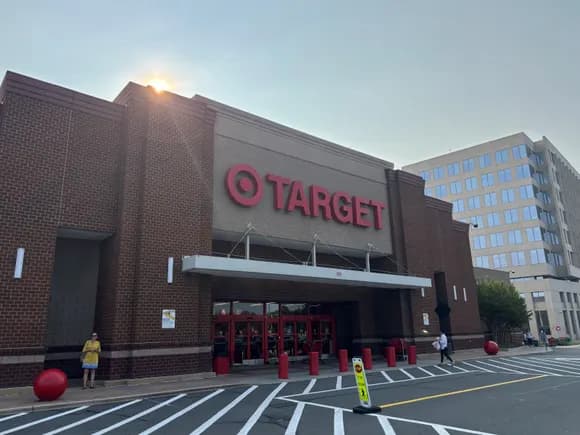
Target fulfillment experts bridge digital demand and store execution
Target’s fulfillment experts now sit at the center of store performance, where speed, accuracy, and clean handoffs decide whether convenience feels instant or chaotic.
Fulfillment is the job that shows what Target stores have become
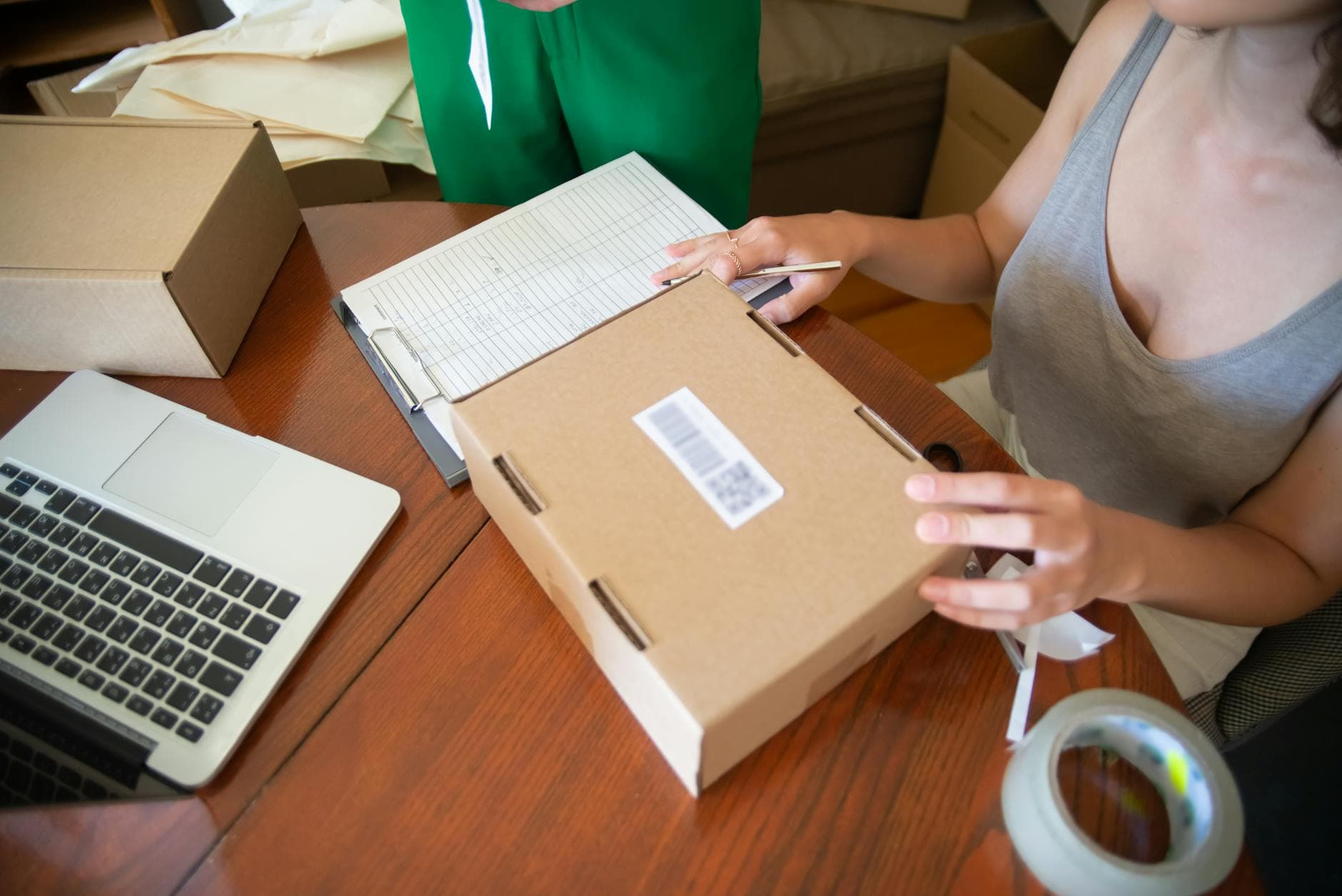
A fulfillment expert is no longer tucked off to the side of store operations. The role now sits where digital demand meets the selling floor, with team members picking, prepping, packing, sorting, and shipping products so guests get what they want, when they want it, and how they want it. That makes the job one of the clearest windows into how Target stores function now: part retail environment, part mini distribution hub, and part customer service engine.
Target’s own pickup-and-delivery setup shows how central that work has become. Every Target offers online Order Pickup, with orders picked and ready within a couple of hours. Drive Up brings purchases to parked guests within minutes, and it can also be used for returns. Same-day delivery reaches 80% of the U.S. through more than 300,000 shoppers. In practice, that means the fulfillment expert is helping keep one of the company’s most visible promises to guests.
What the role demands on a busy floor
The best way to understand fulfillment work is to watch what happens when the store is busy and the digital queue keeps moving. A fulfillment expert has to stay accurate while moving quickly, because a miss on location, a substitution mistake, or a late handoff can ripple into a guest complaint in minutes. Pace matters, but so does judgment: the work depends on knowing what can be picked safely, what needs to be packed carefully, and what should move first when demand spikes.
That pressure is why teamwork is so central to the role. Fulfillment does not happen in a vacuum. It depends on clean handoffs from leaders, solid inventory visibility, and enough support in the right part of the building at the right time. When the floor is crowded, the backroom is behind, or a truck unload changes the inventory picture, fulfillment is where those delays surface fastest. The role rewards the people who can keep their heads up, keep scanning, and keep the guest promise intact.
Why Target treats stores like logistics centers now
Target’s 2025 annual report makes the strategy hard to miss: stores are both destination-worthy environments and fulfillment hubs. The company also says stores fulfilled more than 97% of total merchandise sales in each of the last three years. That number matters because it shows store labor is not just supporting the business, it is carrying most of it.
The company has been explicit about where it wants to invest next. On March 5, 2024, Target said it planned to invest in most of its nearly 2,000 stores over the next decade, including support for same-day services. That is a strong signal to anyone working the building that the store is being asked to do more, not less. For fulfillment experts, it confirms the role is tied to the company’s long-term operating model, not a temporary response to online shopping trends.
The growth numbers explain why the pressure stays high
The company’s same-day services have been growing fast enough to keep attention on fulfillment every quarter. In the first quarter of 2024, same-day services grew nearly 9%, led by more than 13% growth in Drive Up. In the second quarter, same-day services posted double-digit growth, led by low-teens growth in Drive Up and Target Circle 360 same-day delivery. Digital comparable sales also moved higher, with 1.4% growth in the first quarter and 8.7% growth in the second.
Those are not just investor figures. They show why fulfillment is a performance lane inside the store. If same-day demand is growing, then the store team has to keep pace with more picks, tighter timelines, and more guest traffic flowing through the same front end that regular shoppers use. Fulfillment experts are at the center of that balancing act, which is why the role tells you so much about modern retail work in general.
Speed, accuracy, and the guest promise are the real scorecard
Target’s pickup-and-delivery language is built around convenience, but the operational reality is more demanding. Order Pickup has to be ready within a couple of hours. Drive Up has to bring items to the guest within minutes. Same-day delivery has to work at scale across a national network of shoppers. That means fulfillment performance is measured less by how busy the team looks and more by whether the promise lands on time and intact.
For team members, the most important pressure points are simple: stay organized, move fast, protect product condition, and avoid mistakes that slow down the line. For team leads and ETLs, the lesson is broader. Fulfillment only works when inventory is visible, batches are managed well, and labor lands where the demand is. A strong day is usually the result of a dozen invisible decisions made before guests ever arrive.
Why this role can open doors inside the store
Fulfillment is valuable because it teaches the operating logic of the whole building. A worker in this role learns how inventory moves, how guest demand shows up in real time, and how front-of-store service depends on back-of-house discipline. That experience translates well to other in-demand store roles because it builds fluency in pace, process, and guest expectations all at once.
It also gives workers a practical view of how Target’s model is changing. Brian Cornell has said the company’s path back to growth depends on ease, convenience, and fast fulfillment, and Target’s 2025 annual report says delight begins with sharp pricing, strong in-stocks and fast fulfillment. At the same time, Target says it is investing in technology and AI to reduce friction for store teams so they can spend more time serving guests. For someone in fulfillment, that combination means the role is not only operationally important, it is increasingly central to how the company defines good store execution.
The bigger lesson for retail workers
Fulfillment experts are the clearest example of how Target stores now operate as hybrid retail and logistics nodes. The job is about more than picking orders. It is about keeping the store moving when digital demand, guest traffic, inventory pressure, and same-day expectations all hit at once.
That is why the role matters so much right now. It reveals the real priorities of modern retail: speed that still protects accuracy, service that still depends on process, and store teams that are expected to do both at the same time.
This article was produced by Prism’s automated news system from verified source data, official records, and press releases, then run through automated quality and moderation checks before publishing. The system is built and supervised by the people who set the standards it runs under. Read our full AI policy.
Did this article answer your question?