Target DEI Boycott Ends After a Year, Leaving Mixed Results Behind
Pastor Jamal Bryant's 40-day Target boycott drew 50,000+ pledges, but a year of protest left the retailer's DEI programs gone and internal damage unresolved.

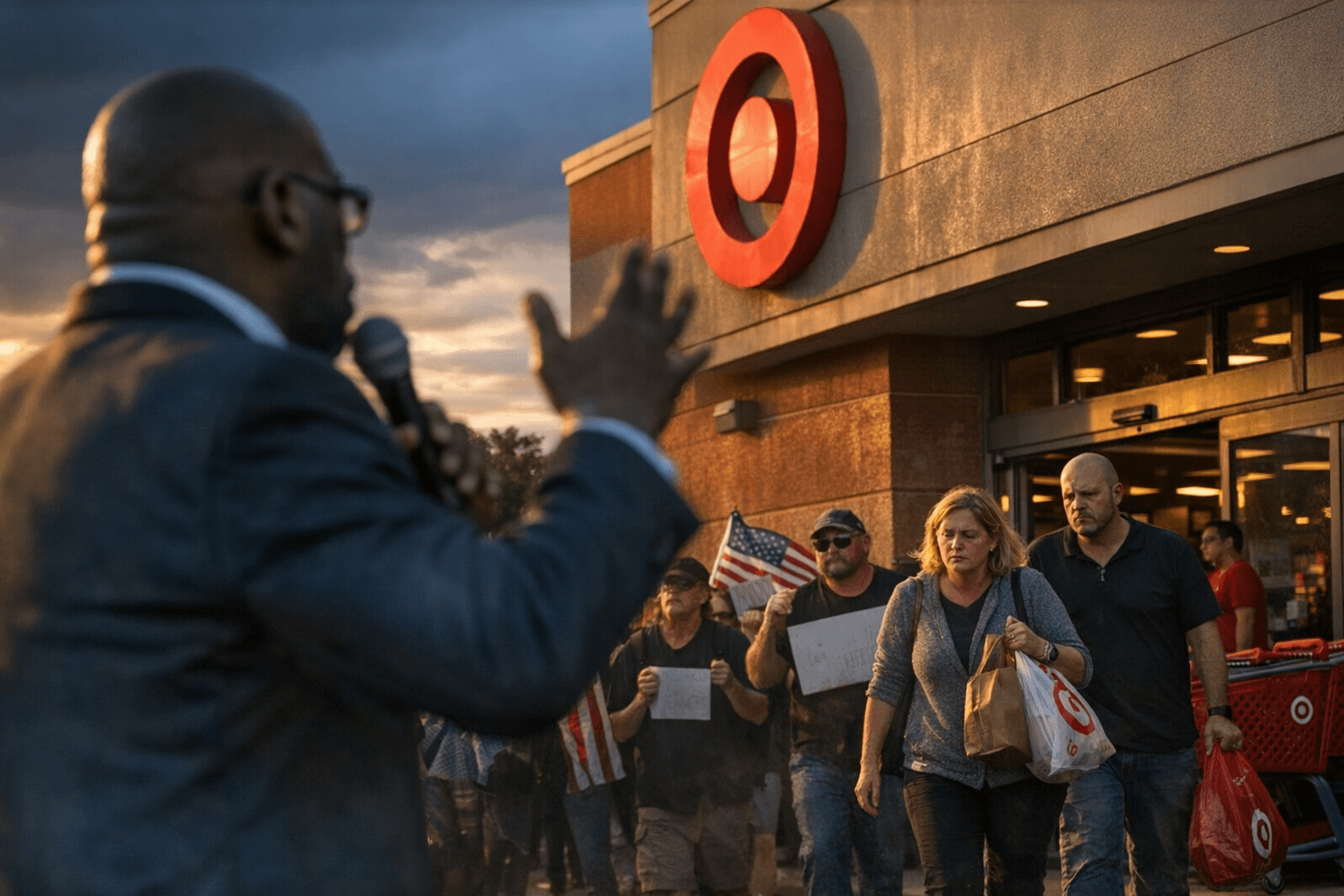
The yearlong consumer boycott targeting Target's retreat from diversity initiatives wound down this week with the retailer's DEI programs still dismantled and the internal costs of the past year still being tallied. Pastor Jamal Harrison Bryant of New Birth Missionary Baptist Church in metro Atlanta, one of the boycott's most visible leaders, had called for a 40-day boycott beginning in March, drawing more than 50,000 signatures on an online pledge. The result: significant reputational damage, measurable shifts in shopper behavior, and a workforce that insiders say is still unsettled.
Target had entered 2025 in a notably different position. Just three years earlier, in 2022, the Executive Leadership Council, a prominent organization of global Black CEOs, honored the company for its "outstanding commitment to achieving Diversity, Equity and Inclusion." By early 2025, the company had reversed course, ending its racial equity committee, minority hiring pledges, financial commitments to Black-owned suppliers, and participation in external diversity surveys including the Human Rights Campaign's annual index.
The public response was swift and lopsided. An analysis cited by CNN found that Target received at least twice as many negative comments about its DEI moves as positive ones. "The sentiment has been overwhelmingly negative," said Ashley Cooksley and Linn Frost, CEOs of the Social Element. The top posts across social platforms called for boycotts or urged shoppers to redirect spending to Costco, Walmart, and Amazon. The petition backing Bryant's effort was direct: "We have witnessed a disturbing retreat from Diversity, Equity, and Inclusion initiatives by major corporations. The greatest insult comes from Target."
The consumer behavior shift cut at a particularly sensitive metric for big-box retail. The decline wasn't just in foot traffic or basket counts; it showed up in full-basket shopping, the high-margin behavior that anchors profitability for retailers like Target. "This wasn't a minor change in purchase behavior," one analysis noted. "It was a decline in full-basket shopping, which is essential for big-box retail profitability." Target was already navigating a difficult economic environment; the reputational drag compounded every existing financial pressure.
Inside the company, the fallout tracked alongside the public pressure. Employees reported losing psychological safety and confidence in leadership. Employee resource groups, mentorship programs, and development pathways weakened. Turnover rose, concentrated among underrepresented groups and high-performing talent. Operational consistency across stores deteriorated as engagement dropped. The disruptions, one assessment noted, "highlighted deeper internal cracks that were already forming" before the boycott intensified them.
Whether the boycott ultimately moved the needle on Target's business in any lasting way remains genuinely contested. Expert Liaukonyte, cited in CNN's coverage, noted that sustaining a boycott against Target is complicated by the fact that many alternative retailers, including Walmart and Amazon, have also rolled back DEI programs. She drew parallels to the 2020 calls to boycott Goya Foods, which had limited impact in part because the core advocates weren't Goya's core shoppers. "Whether Target faces sustained sales declines like Bud Light did will depend on how much of its core shopper base aligns with the backlash," she said, "and how convenient it is for shoppers to switch to other stores."
Incoming Target CEO Michael Fiddelke inherits a company that spent 2025 absorbing the consequences of that gamble. Gen Z, Millennials, and diverse households were identified as the demographics who felt the value-alignment break most acutely. The hard financial data, including same-store sales figures and basket-size metrics by quarter, has not been made public in detail. What is clear is that a year of concentrated consumer and employee pressure leaves Target in a more complicated position than the one it was in when it won that 2022 award.
This article was produced by Prism’s automated news system from verified source data, official records, and press releases, then run through automated quality and moderation checks before publishing. The system is built and supervised by the people who set the standards it runs under. Read our full AI policy.
Did this article answer your question?