Target details $15–$24 starting pay, DailyPay access, incentive plan structure
Target lists starting pay of $15-$24 per hour and says team members have DailyPay quick-pay access; experts outline how target-based incentives typically work and what that could mean for workers.
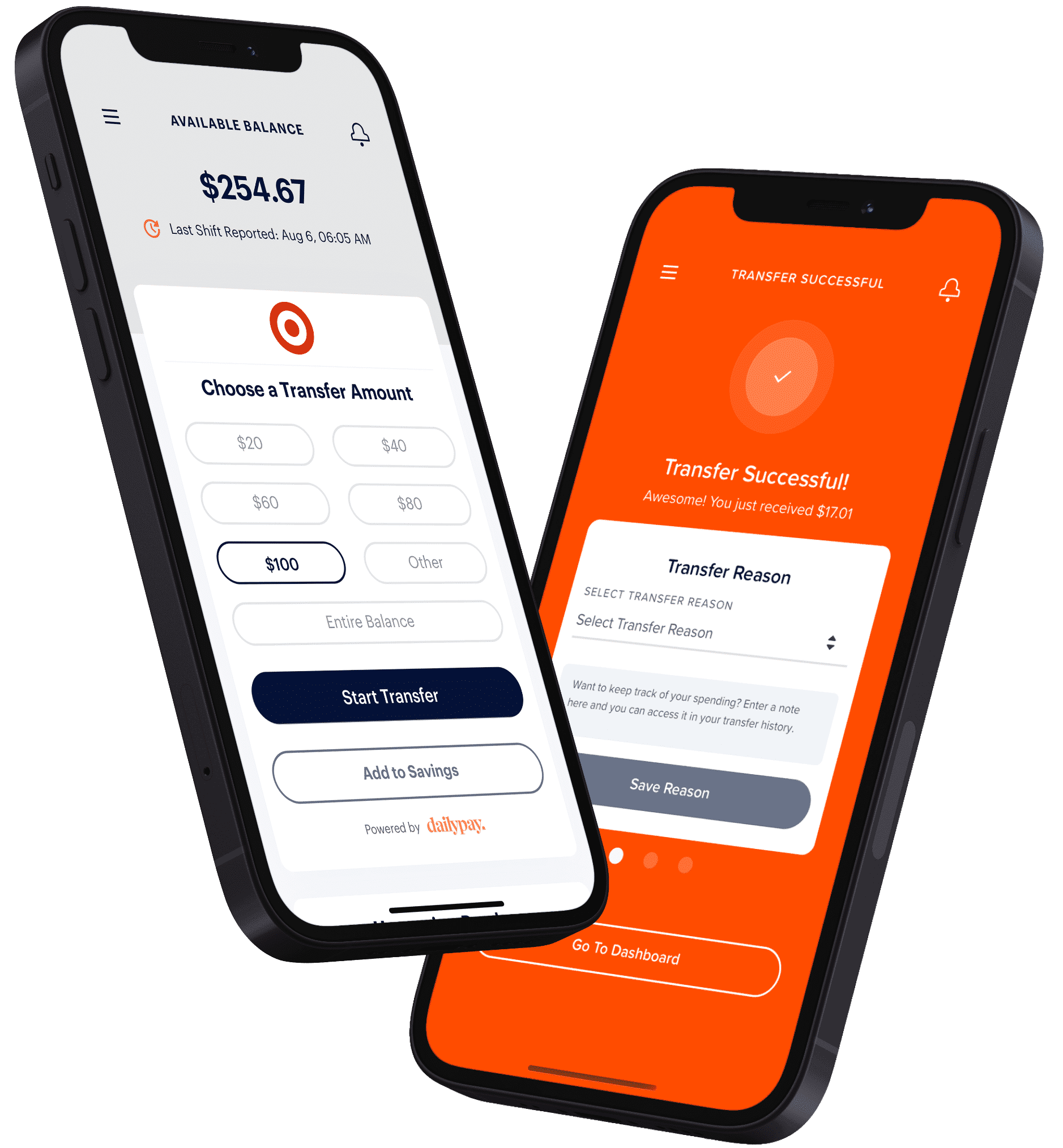
Target’s corporate fact sheet lists a starting-pay range of $15-$24 per hour, saying pay varies by role and location, and it notes an average frontline wage without providing the figure in the excerpt made available. The document also flags that team members have access to DailyPay quick-pay access and includes a truncated item beginning "no-cost vir" that was not fully reproduced in the materials provided.
Those items matter for employees because starting pay establishes the floor for hiring and retention, and DailyPay-style services can affect short-term liquidity for hourly workers. The fact sheet’s summary gives recruiters and store managers a simple reference point for compensation conversations, but gaps in the excerpt leave unanswered questions about which roles land at the low and high ends of the $15-$24 range, when the average frontline wage figure was calculated, and which team members are eligible for DailyPay or any associated costs.
Separate from Target’s pay summary, material from Everstage lays out how target-based incentive compensation plans work in general. Everstage explains, "Setting the Target: Targets can vary based on the role, team, and company objectives." It gives role examples, noting that "a salesperson might have a target of $1M in sales, while a customer success manager might have a target related to customer retention or satisfaction." Everstage also describes how payout mechanics can be scaled: "Performance Tiers: The incentive structure can be tiered. Employees earn a portion of the incentive as they meet various performance levels." For instance, "reaching 90% of the target could earn a 90% payout, and hitting 100% or more could trigger full or even bonus payouts."
Everstage cautions that plan design matters. "When incentive plans aren’t structured right, it leads to confusion, disengagement, and, ultimately, turnover," the guidance says. At the same time, Everstage argues that "The good news? A target incentive compensation plan can be the game-changer," adding that clear targets tied to rewards "drive performance, aligns everyone with company goals, and helps engage your best people."

The Target fact sheet excerpt does not state whether Target uses target-based incentive plans structured in the ways Everstage describes, so Everstage’s examples should be read as a general primer on incentive mechanics rather than company policy. For workers, the combination of a posted starting-pay range and an on-demand pay option underscores two separate forces shaping retail work: steady base pay levels and tools that change how fast earned wages can be accessed.
What comes next for team members is clarification. Target team members and job seekers should ask HR or hiring managers for role- and location-specific pay ranges, the verified average frontline wage, and full details on DailyPay eligibility and fees. If Target or store managers confirm incentive pay programs for certain roles, workers should request the written plan details so they can see targets, tiers, and payout formulas rather than rely on examples.
This article was produced by Prism’s automated news system from verified source data, official records, and press releases, then run through automated quality and moderation checks before publishing. The system is built and supervised by the people who set the standards it runs under. Read our full AI policy.
Did this article answer your question?