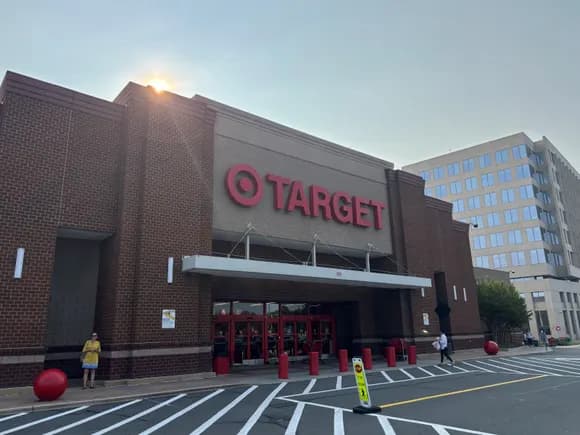
Target Employees Postpone Returns as Immigration Enforcement Near Twin Cities Stores
Target employees postpone returns to stores and offices after federal immigration enforcement near Twin Cities stores, citing safety fears and requesting clearer company guidance.

Target employees in the Minneapolis-St. Paul region called out of shifts and delayed returning to in-person work after federal immigration enforcement operations took place near several stores, creating safety concerns for frontline and corporate staff. The wave of absences and postponed office returns has exposed anxiety in internal communications and prompted employees to press the company for clearer protocols.
Internal Slack channels and employee messages detailed frustration about the company’s public response and uncertainty about how to handle encounters with federal agents. Workers circulated a letter to Target’s ethics and HR teams asking for explicit guidance and protections for employees who may encounter law enforcement at or near stores. The letter asked for clarity on safety procedures and what support the company would provide if federal agents approached staff or customers.
The staffing disruptions were not confined to retail floors. Several corporate employees postponed scheduled returns to Target's offices in the region, citing concern about proximity to enforcement activity and the potential for confrontations near worksites. At the same time, some managers and leaders cautioned coworkers about the operational and legal complications that can arise when an employer takes public positions on contentious enforcement operations, contributing to tensions within leadership ranks.
The immediate impact fell on store scheduling, customer service, and morale. Store teams had to reshuffle shifts or operate with reduced staffing in neighborhoods near enforcement actions, creating pressure on remaining employees and complicating coverage for peak hours. For corporate teams, postponements disrupted planned in-person collaboration and return-to-office timelines that Target and other retailers have been managing through phased approaches since the pandemic.
The episode reflects broader local tensions in the Twin Cities over federal enforcement activity and shows how immigration enforcement can ripple into workplace dynamics. Employees described feeling vulnerable while performing essential retail and support roles, and they sought concrete assurances from Target about safety, legal protections, and what to do if federal agents appear on or near company property.
For workers, the situation highlights the importance of clear, operational guidance from employers when outside law enforcement activity affects places of work. For Target, the episode raises questions about how the company balances employee safety, legal exposure, and public posture in a polarized local environment. Expect continued internal discussions and pressure on HR and ethics teams to produce written protocols and communicate them broadly to reduce uncertainty and restore normal staffing patterns.
Know something we missed? Have a correction or additional information?
Submit a Tip