Target Faces Personal Injury Lawsuit Moved to Federal Court in Michigan
Target moved a personal injury lawsuit filed by Mirjam Abdullatef from Wayne County Circuit Court to federal court in Michigan on March 12.
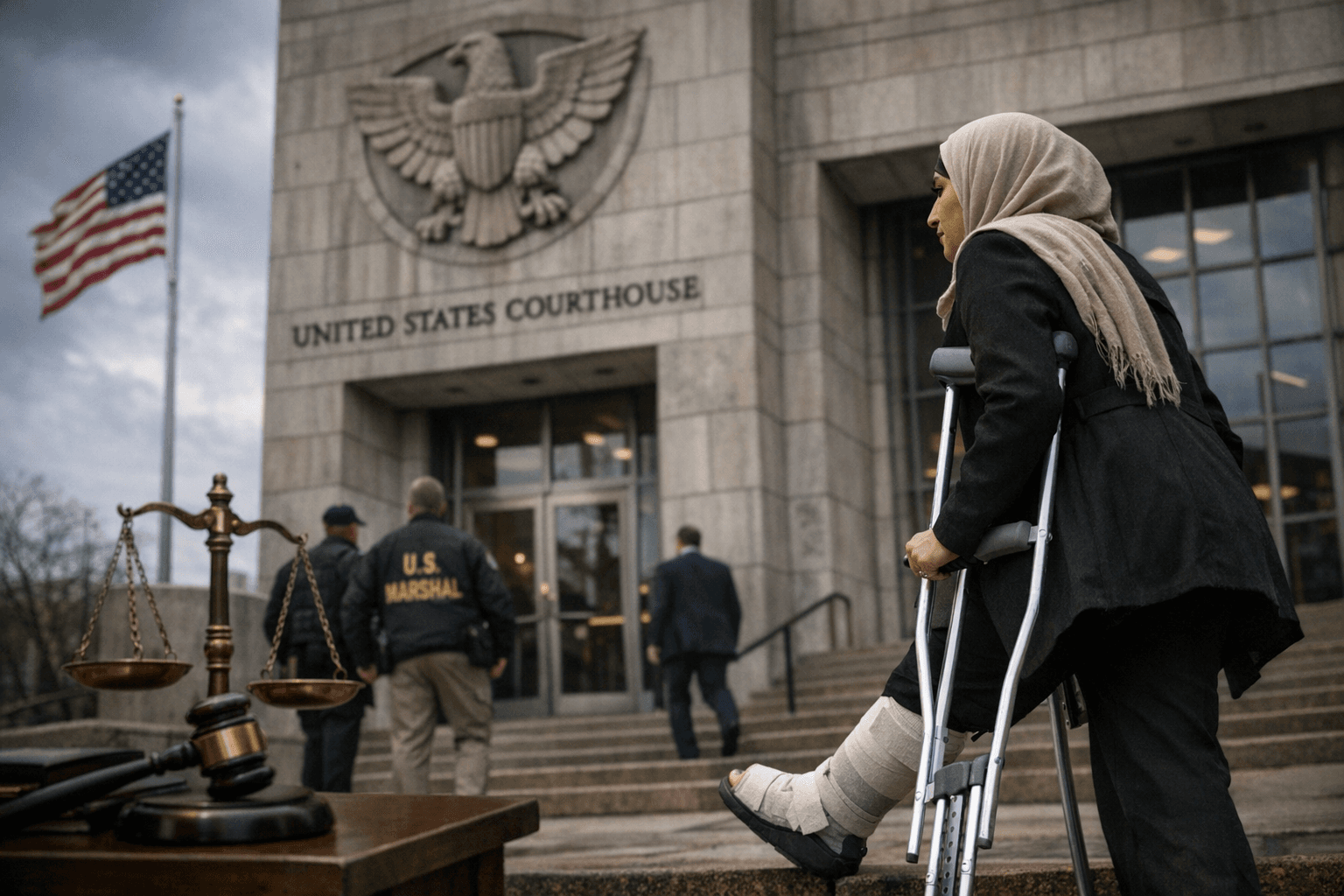
Target Corporation pulled a personal injury lawsuit out of Wayne County Circuit Court and into federal court last week, a procedural move that shifts the venue for plaintiff Mirjam Abdullatef's claims from a Detroit-area state tribunal to the U.S. District Court for the Eastern District of Michigan.
Target filed the Notice of Removal on March 12, 2026, docketed at 10:09 p.m., assigning the case federal number 2:26-cv-10839. The company paid the $405 removal filing fee, receipt number AMIEDC-10638889. The state-court case, originally filed as number 26-001731-NO in Wayne County's 3rd Circuit, carries no record of prior dismissal and no companion cases on file.
The jurisdictional hook is diversity: Target invoked 28 U.S.C. § 1332, the federal statute that allows defendants to move cases to federal court when the parties are citizens of different states and the amount in controversy exceeds $75,000. The nature of suit is classified as 360 Torts, Personal Injury, Other Personal Injury. The underlying complaint from Wayne County has not been made public through available docket filings, meaning the specific facts of the alleged injury, the location, the date of the incident, and the damages sought remain undisclosed at this stage.
District Judge Mark A. Goldsmith has been assigned to the case, with Magistrate Judge Elizabeth A. Stafford listed as the referred judicial officer. On March 13, the court issued a standard notice informing parties that a magistrate judge is available to handle all proceedings under 28 U.S.C. § 636(c) and Federal Rule of Civil Procedure 73, should both sides consent.
Target is represented by Courtney A. Krause of Garan Lucow Miller P.C., a Michigan-based firm. No plaintiff's counsel has been identified in the available filings.
Removal to federal court is a standard defense tactic in personal injury cases involving large retailers. Federal courts are generally seen as more favorable terrain for corporate defendants, offering different jury pools, procedural rules, and judges appointed rather than elected. Under 28 U.S.C. § 1446(b), a defendant must file for removal within 30 days of receiving the complaint, and diversity-based removals must be initiated within one year of the original filing date.
The next significant procedural moment will likely be whether Abdullatef's attorneys file a motion to remand the case back to Wayne County, which would force Judge Goldsmith to scrutinize whether the diversity and amount-in-controversy requirements are genuinely met. Without that challenge, the case proceeds in federal court toward an initial scheduling order and the Rule 26 disclosure process.
Know something we missed? Have a correction or additional information?
Submit a Tip