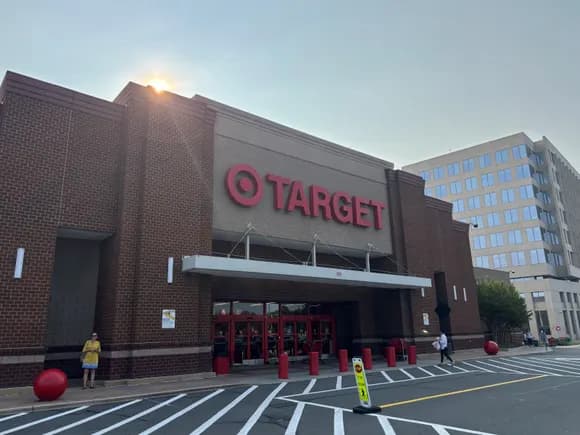
Target highlights more guest-favorite brands on Target Plus marketplace
Target’s homepage pushed more Target Plus brands, underscoring a marketplace that now tops 2 million products and lets the chain widen assortment without adding store clutter.
Target’s homepage on July 1 put a fresh spotlight on Target Plus, its invite-only marketplace for third-party brands and authorized resellers. The move matters inside Target’s ecosystem because it lets the company widen assortment on Target.com without turning every new item into more in-store labor, more shelf resets, or more clutter on the sales floor.
Target says Target Plus launched in 2019 and now includes more than 2 million products from more than 1,200 partners. The company describes it as a curated selection designed to complement its current assortment, with one partner per SKU and seller support that can include shipping, media and category strategy help. In Target’s own framing, the marketplace is not a side project: it is a billion-dollar business growing at a double-digit pace.
That scale helps explain why Target has kept leaning on the marketplace as part of its digital growth plan. In March 2025, the Minneapolis-based retailer said it would drive more than $15 billion in sales growth by 2030 and specifically called for a dramatic expansion of Target Plus. In March 2026, Target again said it would keep scaling the third-party marketplace as part of its next growth chapter. A June 24, 2024 partnership with Shopify was aimed at expanding assortment on Target Plus, with selected merchants appearing online and, in some cases, in stores nationwide.

For store teams, the day-to-day impact is less about the marketplace branding and more about the friction it can create when guests want a product they saw on Target.com. A bigger Target Plus catalog can mean more questions at Guest Services and in drive-up about whether something is in stock, online only or eligible for pickup. It also raises the bar on fulfillment handoffs, since digital orders, substitutions and delivery expectations all have to stay clear even when the item never lives in the physical assortment.
That is why Target Plus looks like more than a guest-choice play. It is also a margin and traffic strategy, giving Target a way to capture demand for brands that fit the Target experience online even if they do not belong in every store aisle. It also keeps Target in closer competition with Amazon and Walmart on assortment breadth while preserving the curated identity that has long separated Target from bigger, noisier marketplaces. For team members, the test will be whether that broader digital shelf makes the work cleaner through better tools and clearer systems, or simply adds more guest expectations to manage.
This article was produced by Prism’s automated news system from verified source data, official records, and press releases, then run through automated quality and moderation checks before publishing. The system is built and supervised by the people who set the standards it runs under. Read our full AI policy.
Did this article answer your question?