Target store teams balance replenishment, pricing and markdowns to keep shelves stocked
Target’s shelf stock depends on quiet work: timely markdowns, fast replenishment, and accurate counts that protect sales, space, and the guest experience.
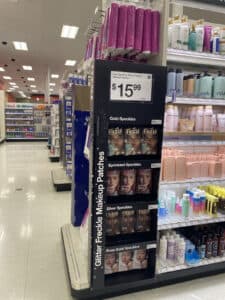
A full shelf, a clean clearance transition, or an empty spot that sends a guest elsewhere often comes down to markdown timing, freight flow, and backroom replenishment. Pricing and stocking sit at the center of store work, not at the edge of it.
Why markdowns and replenishment are the same operating problem
Markdowns are reductions from an item’s original selling price. Shopify’s retail guidance groups sales, discounts, and clearance events under that umbrella. It distinguishes markdowns from discounts: markdowns are usually unconditional and visible on the shelf or product page, while discounts may happen later at checkout and may depend on a condition being met. In practice, that difference matters because a markdown changes the price signal on the floor itself, while a discount can stay hidden until the transaction is underway.
Inventory management is the oversight and control of the flow of goods through a business, aimed at minimizing holding costs while keeping products available. Replenishment keeps stock levels where shelves stay stocked, stockouts are avoided, and overstock does not pile up into later discounting. The National Retail Federation frames the same tradeoff from the retailer’s side: too much inventory leads to wasteful markdowns, while too little creates missed sales and frustrated customers.
How Target builds that logic into the job
Target does not treat markdowns and replenishment as separate back-office functions. Its General Merchandise and Food Sales team leads inbound, outbound, replenishment, inventory accuracy, presentation, pricing, and promotional signing, tying the price on the tag directly to the product sitting on the shelf. Target says the work is meant to keep product set, in stock, accurately priced, and signed on the sales floor, which makes the connection between operational discipline and guest experience hard to miss.
That same structure shows up in the Inbound Expert role. The job includes sorting freight, stocking and organizing reserve product, straightening merchandise on the sales floor, and maintaining product availability. On a busy day, those tasks determine whether clearance is moved out in time, whether a seasonal reset lands cleanly, and whether the next wave of freight has anywhere to go. When replenishment runs late, the guest sees emptier shelves; when markdowns are late, the store keeps carrying product that should already be converting to cash and space.
What the floor actually feels
For team leads and executive team leaders, the practical lesson is timing. A slow-selling item needs a markdown before it turns into dead space. A fast-moving item needs replenishment before the empty peg or shelf start to affect conversion, pickup orders, and guest confidence. Those decisions show up everywhere in the building, from endcaps and clearance transitions to backroom pulls and daily recovery.

Counts matter because a store can have product in the building and still look out of stock if the count is wrong, the reserve area is disorganized, or the handoff between freight and floor work slips. Target’s emphasis on inventory accuracy means the difference between available and unavailable often comes down to whether the team can translate what is in the backroom into what the guest can actually buy.
The numbers behind the pressure
In its 2024 annual report, Target said effective inventory management means staying in stock in core product offerings, maintaining positive vendor relationships, and carefully planning inventory levels for seasonal and apparel items to minimize markdowns. In its 2025 annual report, Target said shortages or excess inventory can increase markdowns and higher costs, which is the business translation of what store teams already feel when a planogram goes stale or a delivery misses the window.
In that 2025 annual report, Target said a 10 percent increase or decrease in its year-end inventory shrink reserve would affect cost of sales by about $110 million. That kind of swing explains why a missed count, a late recovery push, or a sloppy backroom can matter far beyond one aisle.
Target also said in Q3 2025 that on-shelf availability of its most-shopped items was up more than 150 basis points from a year earlier, and that its market fulfillment strategy had expanded to 35 additional markets. Replenishment is now tied to digital fulfillment as much as in-store browsing. If the shelf is right, pickup, same-day, and ship-from-store operations have a better shot at working without friction.
Pricing, price cuts, and the guest promise
Pricing has become a more visible part of Target’s operating rhythm. The company said it lowered prices on more than 10,000 items in 2024, especially through its owned-brand portfolio, using price changes to protect traffic and keep value visible without waiting for clearance to do the work alone. In its 2025 annual report, Target also said, “Delight begins with sharp pricing, strong in-stocks and fast fulfillment,” and added that in 2026 guests would see and feel “more change in what we sell and how we sell it than they have in a decade.”
NRF estimates stockouts cost retailers nearly $1 trillion worldwide annually, while overstock keeps pushing markdowns that erode margins.
This article was produced by Prism’s automated news system from verified source data, official records, and press releases, then run through automated quality and moderation checks before publishing. The system is built and supervised by the people who set the standards it runs under. Read our full AI policy.
Did this article answer your question?