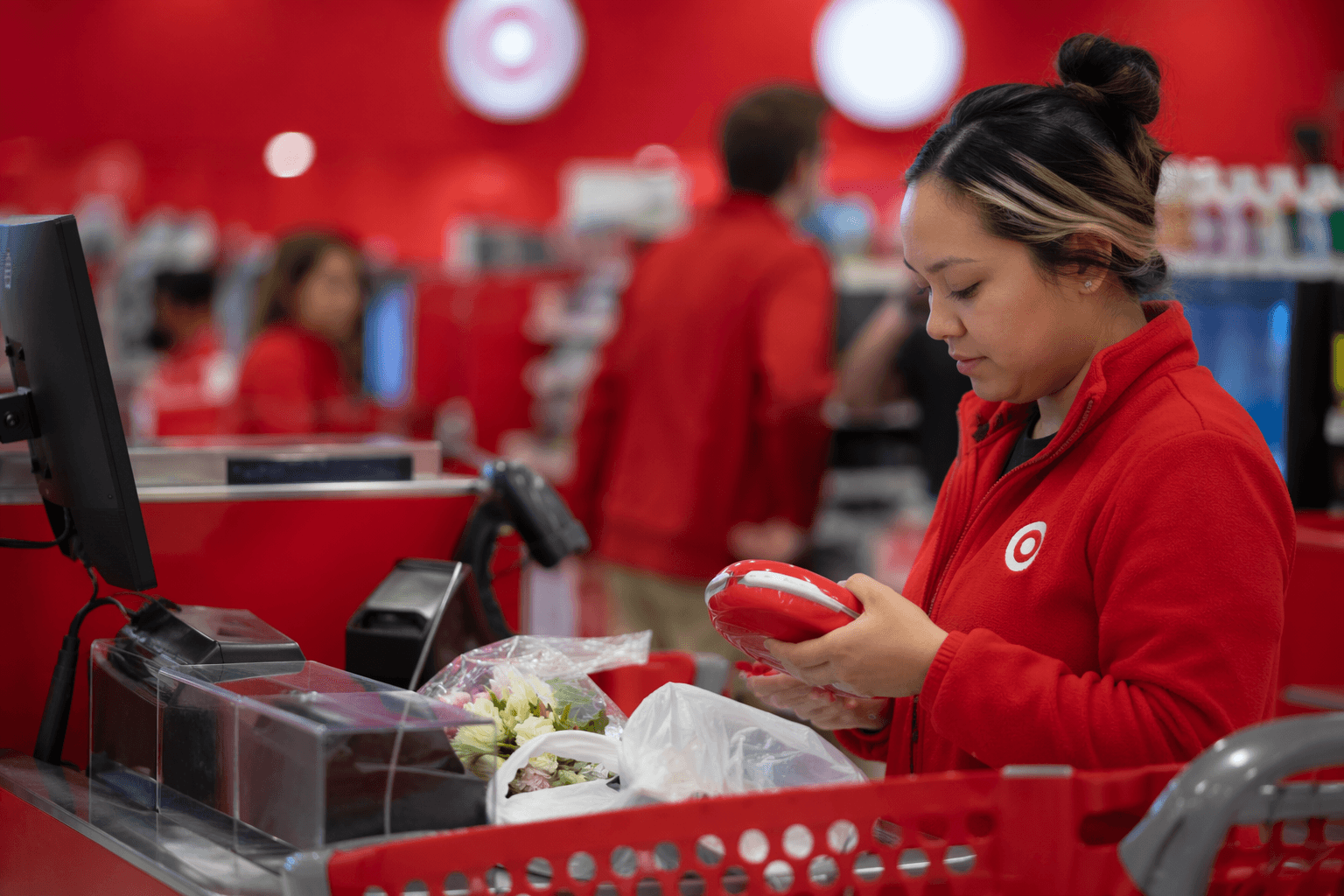
Target interview guide highlights collaboration, inclusivity and problem-solving
Target’s interview guide spells out exactly how to prep, what questions to expect and why collaboration matters. The company is screening for people who can explain their impact, not just their tasks.

Target suggests about five minutes per interview answer. The company frames the interview as a conversation, not a quiz, and it wants candidates to come ready before they ever log on or walk in to show how they think, work with others and make an impact.
Start with the homework Target expects
Read the role closely, think through how your background fits, and prepare questions about the job so the conversation goes both ways. The same preparation applies to store, supply chain and corporate applicants alike, from a cashier to a warehouse candidate to a headquarters hire.
Rehearse specific examples, not vague claims. Applicants should be ready to talk about their experience and skills, so the best preparation is to pull a few clear stories from school, work, volunteering or prior retail jobs that show what you actually did and what changed because you did it.
A simple prep checklist looks like this:
- Read the posting line by line and connect each duty to your own experience.
- Pick a few stories that show problem-solving, teamwork and follow-through.
- Write down questions about the day-to-day work, the team and the role’s expectations.
- Practice saying your answers out loud so they sound natural, not scripted.
What Target is really looking for
Sample questions ask about your background and relevant training, how you work with people who think differently, how you solve problems, how you build relationships and how you make sure your work matters. The interview tests collaboration, inclusivity, problem-solving and connection.
Target says it wants to know applicants “as a person,” not just a team member. Its culture page centers on a philosophy of “care, grow and win together,” and the same message shows up in the interview prompts. If you have worked in a fast retail environment, led a project, handled a difficult guest interaction or kept a team moving through a rush, those are the stories that fit.
Strong performance is not just finishing the task. You need to show how you worked with a team, handled friction, adapted to different personalities and left the work better than you found it. For hourly applicants, that can mean guest service and shift coordination. For leadership candidates, it can mean cross-functional communication, coaching and keeping a team aligned under pressure.
How the interview itself is set up
During the interview, treat the exchange like a conversation and introduce yourself clearly. The goal is enough context to understand the situation, enough detail to show your judgment and enough reflection to explain the result.
Recorded video interviews are part of the process for some positions, and that format has its own rules. Those interviews include video, audio and timing components, and Target will provide reasonable accommodations for applicants with disabilities in line with state and federal law. For candidates, that means the same core advice still applies, but delivery matters more: speak clearly, stay within the time limit and be ready to answer without the back-and-forth of a live conversation.
Target’s hiring process page also points candidates to interview-prep resources from the broader hiring journey.
What to do after the conversation ends
Target’s guidance does not stop when the interviewer says goodbye. The company recommends following up, thanking the interviewer and keeping job alerts updated in case a different role turns out to be a better fit. At a retailer with a lot of moving parts, one application can lead to a better match somewhere else in the company.
A thoughtful thank-you note or message reinforces professionalism, and candidates should stay engaged with the hiring process and continue looking at roles that match their skills.
How the expectations shift by role
For store applicants, the most useful answers will usually come from the floor. Think about examples that show guest service, cooperation with coworkers who have different working styles and practical problem-solving when the store is busy. If you have handled a rush, covered a gap in the schedule, helped a guest find the right item or kept a department organized during a hectic shift, those are the stories that line up with Target’s questions.
Supply chain candidates should focus on coordination, timing and fixing problems before they spread. The job is about keeping product moving, so answers that show you can work with different people, adapt quickly and stay accurate under pressure will land better than general statements about being hardworking. The same goes for explaining impact: a good supply chain answer shows how your work affects the flow of product to stores and, ultimately, the guest experience.
Corporate applicants need a different kind of proof, but the same themes apply. Target wants to see how you build relationships, work across differences and make your work count beyond your own desk. That means specific examples of collaboration, communication and problem-solving carry more weight than polished jargon. Show how your work connected to stores, guests or another team’s success.
Why this guide matters so much at Target
Target lists 1,995 U.S. stores and about 415,000 team members, so even small changes in hiring expectations reach a huge applicant pool. Its 2025 annual report lists starting pay for U.S. hourly store and supply-chain team members at $15 to $24 per hour, which makes the interview the first real checkpoint for people deciding whether retail or warehouse work is worth pursuing.
Target says its team members and the company volunteered more than one million hours last year, and it gives 5% of profits back to communities in products. Target Corporation was incorporated in Minnesota in 1902.
This article was produced by Prism’s automated news system from verified source data, official records, and press releases, then run through automated quality and moderation checks before publishing. The system is built and supervised by the people who set the standards it runs under. Read our full AI policy.
Did this article answer your question?