Target Manager Earns Viral Praise for Supporting Child Predator Sting
A Target manager's split-second decision to let Vitaly film a live predator sting drew 12k likes and became a case study in in-store judgment under pressure.
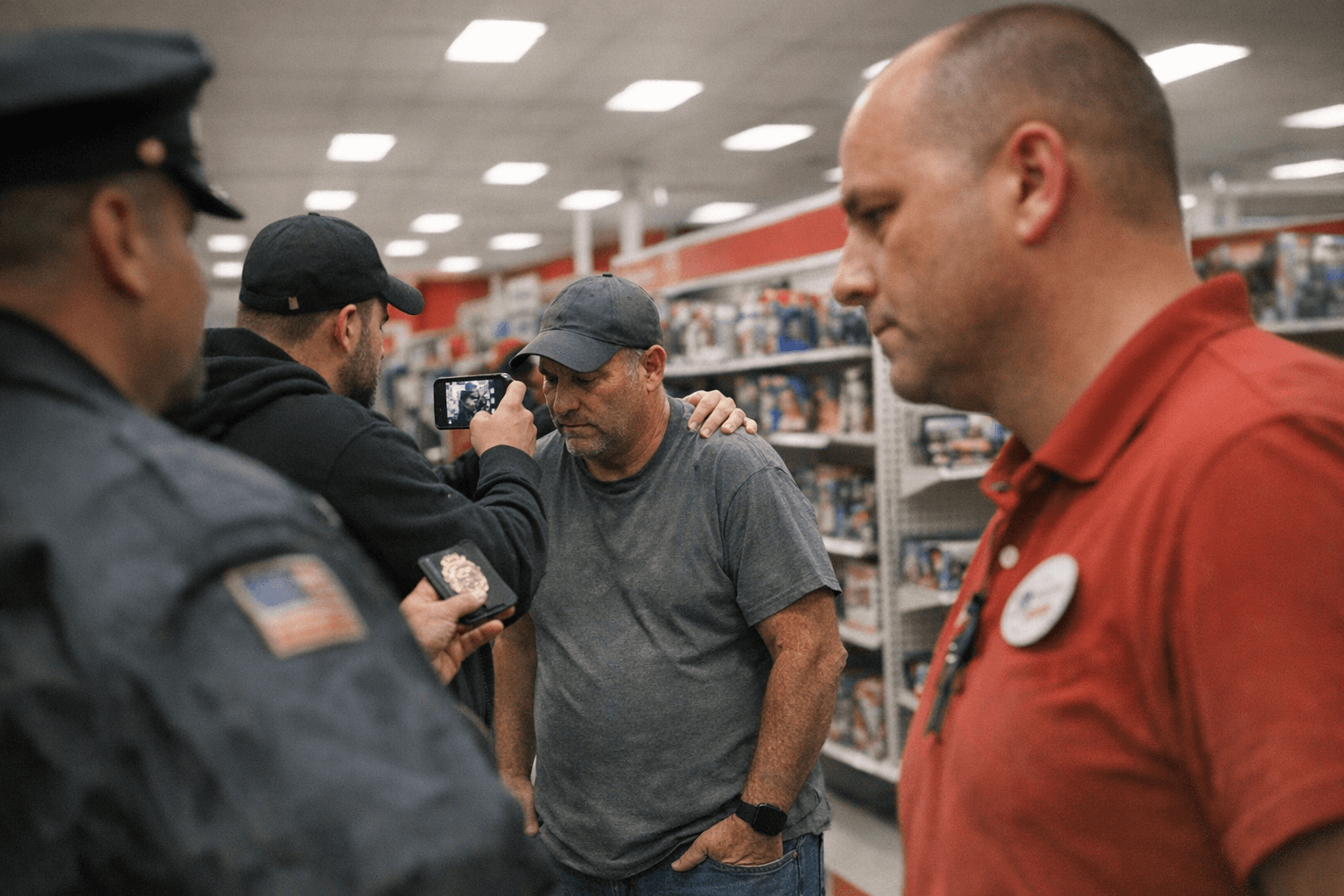
When a camera appears in a Target aisle, the standard move is instinctive: ask the person filming to stop. That's exactly what one Target store manager did when streamer Vitaly Zdorovetskiy walked in mid-broadcast. What happened next earned the manager more goodwill than any corporate training module could manufacture.
After initially telling Vitaly to stop recording, the manager reconsidered when the streamer explained the reason for the camera: the crew was in the middle of a live child predator sting operation. The manager allowed the filming to continue. Online, the response was swift, with the clip accumulating over 12,000 likes and widespread praise for what viewers called a moment of human judgment over rigid policy enforcement.
Vitaly Zdorovetskiy, who built his following on YouTube under the handle VitalyzdTv before expanding his audience on Kick, has become one of the most recognized names in the predator-catching streaming space, running live operations in which individuals suspected of attempting to meet minors are confronted on camera. Those streams draw massive real-time audiences and, when clipped, spread rapidly across social platforms.
For Target's frontline leadership, the incident is a pressure test for a scenario that has no clean answer in the standard operations playbook. Target's general policy restricts unauthorized filming inside its stores, and a manager's instinct to enforce that boundary is correct by default. But live public-safety sting operations introduce a variable that policy manuals weren't written to address.
That judgment call rests on a few real-time assessments: whether the filming is commercially exploitative or tied to a credible public safety action, whether law enforcement is involved or being contacted, and whether allowing the camera to remain creates any safety or liability risk for guests and team members present. None of those answers come pre-packaged; the manager has to read them in the moment.
The instinct to escalate to Assets Protection immediately when any filming dispute arises remains the right default. AP can assess liability exposure faster than a floor manager working alone, and if law enforcement coordination is already underway, that information changes the calculus significantly. HR involvement becomes relevant after the fact, particularly if team members were captured on camera without consent.
Critically, a manager should never independently authorize filming simply because a stated purpose sounds sympathetic. The call to allow continued recording should be made with AP looped in, with documentation logged, and with awareness that neither goodwill nor viral praise protects the store from liability if the situation escalates or turns out to be something other than what was claimed.
What this moment demonstrated is that a manager's real value isn't in reciting policy line by line. It's in knowing when the policy runs out and what to do next. Twelve thousand likes don't rewrite Target's filming guidelines, but they do mark the moment when one team leader read a room correctly under pressure, and the internet noticed.
Know something we missed? Have a correction or additional information?
Submit a Tip