Target's 2026 Biweekly Pay Schedule: Key Dates for Hourly Team Members
January and July each deliver three Target paychecks in 2026, and two major holidays land directly on payday Fridays; here's what every hourly team member should lock in before it costs them.
Rent is due on the first. Childcare drafts on the third. Your phone bill autopays the fifth. If your payday lands late, or you simply didn't realize the June 19 Juneteenth holiday sits on top of a Target payday Friday, any one of those automatic payments can bounce before your direct deposit clears. The 2026 biweekly pay calendar isn't just an HR document. For hourly team members running tight household budgets, it's a financial planning tool that belongs on your phone right now.
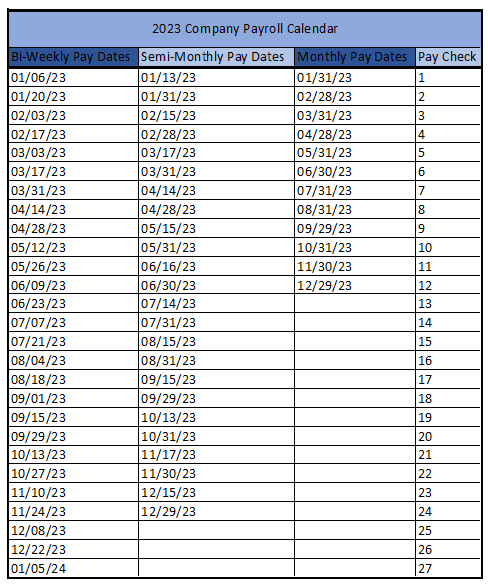
The Full 2026 Pay Schedule at a Glance
Target operates on a biweekly pay cycle for most U.S. hourly roles, meaning paychecks arrive every other Friday across 26 pay periods in 2026. The schedule runs as follows:
- January 2, January 16, January 30
- February 13, February 27
- March 13, March 27
- April 10, April 24
- May 8, May 22
- June 5, June 19
- July 3, July 17, July 31
- August 14, August 28
- September 11, September 25
- October 9, October 23
- November 6, November 20
- December 4, December 18
Each pay period spans 14 days and ends approximately one week before the corresponding payday. Knowing both the period close date and the payday matters: the period close is your last chance to catch a missing punch before payroll locks, while the payday itself is when direct deposits and paper checks are issued.
Three-Paycheck Months: January and July
Two months in 2026 deliver three paychecks instead of the usual two: January (Jan 2, Jan 16, Jan 30) and July (July 3, July 17, July 31). This happens because a 26-period biweekly year covers 364 days, leaving the calendar math to occasionally stack three Fridays inside a single month.
For team members living paycheck to paycheck, these months represent a genuine windfall window. The third paycheck arrives without a matching spike in regular monthly bills, since rent, utilities, and most subscription services are already covered by the first two deposits. Financial planners typically recommend using the extra paycheck to build or replenish an emergency fund, make a lump-sum payment toward debt, or front-load a savings goal. With Target's starting hourly wages at $15 or above across many markets, even a single three-paycheck month can move the needle on a savings balance if the funds are directed intentionally rather than absorbed into daily spending.
Mark January 30 and July 31 in your calendar now so the extra deposits don't disappear quietly into an overdraft buffer.
Holiday Pay Timing: The Dates That Can Catch You Off Guard
Most holidays in 2026 fall on Mondays, which keeps Friday paydays unaffected. Two notable exceptions deserve close attention.
June 19, 2026 (Juneteenth) falls on a Friday: the same Friday as a scheduled Target payday. Because Juneteenth is a federal holiday, banks and ACH networks may process the day differently: some financial institutions advance direct deposits to Thursday, June 18, while others hold processing until Monday, June 22. If you have automatic payments scheduled for June 19 or June 20, confirm with your bank when the deposit will actually clear before that weekend arrives.
The July 3 payday carries a similar caution. Independence Day falls on Saturday, July 4 in 2026, which means the federal holiday is formally observed on Friday, July 3. Banks may be closed or operate on reduced ACH schedules that day, creating the same advance-or-delay uncertainty for direct deposits. If you use DailyPay or another earned wage access (EWA) tool to pull funds before a regular payday, note that EWA transfers on a federal holiday observed Friday may also see processing delays.
Beyond those two flags, plan around the following seasonal gaps:
- The November 20 payday is the last one before the Thanksgiving and holiday retail rush; the next deposit doesn't arrive until December 4. With Black Friday in between, discretionary spending tends to spike precisely when the pay gap is longest.
- December 18 is the final payday of the year, arriving one week before Christmas. Any holiday purchases, travel, or family commitments not covered by the Dec 18 check will need to wait until early January 2027.
Finding Your Pay Stub in myTime and Workday
Target's payroll runs through Workday, accessible via the myTime portal at mytime.target.com or the myTime mobile app. Pay stubs typically appear in Workday one to two days before each payday, so checking Thursday evening is usually enough lead time to catch discrepancies. If you rely on paper checks rather than direct deposit, confirm the pickup window with your store's people lead, since paper check availability can vary by location and is not always aligned with the digital posting time.

For new team members setting up the portal for the first time: log in with your TEID, enter your birthdate and last four digits of your Social Security number, and follow the prompts. Your complete pay history, tax forms, and W-2 access all live in the same system.
DailyPay and Earned Wage Access: What to Know Before You Transfer
Target's myTime app connects directly to DailyPay, giving hourly team members the ability to draw earned wages before the standard payday. The integration means your available balance updates in near-real time as hours post. However, EWA access isn't free money early. It's an advance against wages you've already earned, and timing matters.
Standard DailyPay transfers typically settle within one to three business days at no fee. Instant transfers carry a per-transaction fee that can add up quickly if used regularly. To minimize costs: set your default bank account to avoid instant-transfer defaults, use the standard transfer option when you have a day or two of buffer, and avoid same-day EWA transfers on the two holiday Fridays (June 19 and July 3) when processing windows are less predictable. If your bank posts direct deposits early (many do, one to two days ahead of schedule), you may not need EWA at all for most pay periods.
What to Do Right Now
This section is worth acting on today, not the week before a missed payment.
1. Screenshot or save the full 2026 pay date list to your phone.
Keep it somewhere faster to reach than logging into myTime: your notes app, a saved photo, or a pinned message to yourself works.
2. Audit your autopay dates against the schedule.
Pull up your bank account and list every recurring draft. Shift any payment that currently auto-drafts on a Friday or over a holiday weekend to process the following Monday, giving the direct deposit a full business day to clear first.
3. Align rent and childcare timing.
If your rent or childcare provider accepts a flexible due date, ask about shifting it to the 5th or 6th of the month rather than the 1st or 2nd. That small shift creates breathing room whenever a biweekly Friday doesn't align with a calendar month's opening days.
4. Use January 30 and July 31 as emergency fund deposits.
Treat those third paychecks as pre-committed before they land. Automate a transfer to savings on those specific dates so the money moves before it has a chance to be spent.
5. Check your timecard before each pay period closes.
If hours are missing or a punch is incorrect, flag it to your team lead before the period end date. Payroll corrections after a period closes take an extra two weeks to post, which can create a significant shortfall.
For People Leads and HR Partners
New hires and seasonal team members won't know this calendar exists unless you tell them. Share it during onboarding and include the two holiday Friday flags specifically. When your store runs extended hours around Thanksgiving and the holiday stretch, remind your team that the November 20 payday is the last before a two-week gap that coincides with peak spending season. The more proactively this information gets shared, the fewer urgent pay questions land on your desk during the busiest weeks of the year.
Cross-reference this public calendar against any internal payroll communications from Target's corporate HR or payroll team, especially around June 19 and July 3. If corporate confirms early deposit processing for those dates, send a quick message to your team rather than waiting for them to ask.
A pay calendar is a small tool with an outsized impact on financial stability. For a team member who manages a household on hourly wages, knowing whether the June 19 deposit lands Thursday night or sits until Monday morning is not a minor detail.
This article was produced by Prism’s automated news system from verified source data, official records, and press releases, then run through automated quality and moderation checks before publishing. The system is built and supervised by the people who set the standards it runs under. Read our full AI policy.
Did this article answer your question?