Target markets face another round of local minimum wage hikes in July
July wage hikes will lift floors in Target-heavy markets from Chicago to Emeryville, tightening hiring and retention around stores.
Target stores in several major markets are heading into July with a higher wage floor around them. Alaska, Chicago, Cook County, Washington, D.C., and a string of California cities will all raise local minimum wages on July 1, a shift that can change who applies, who stays, and how hard it is to staff hourly roles.
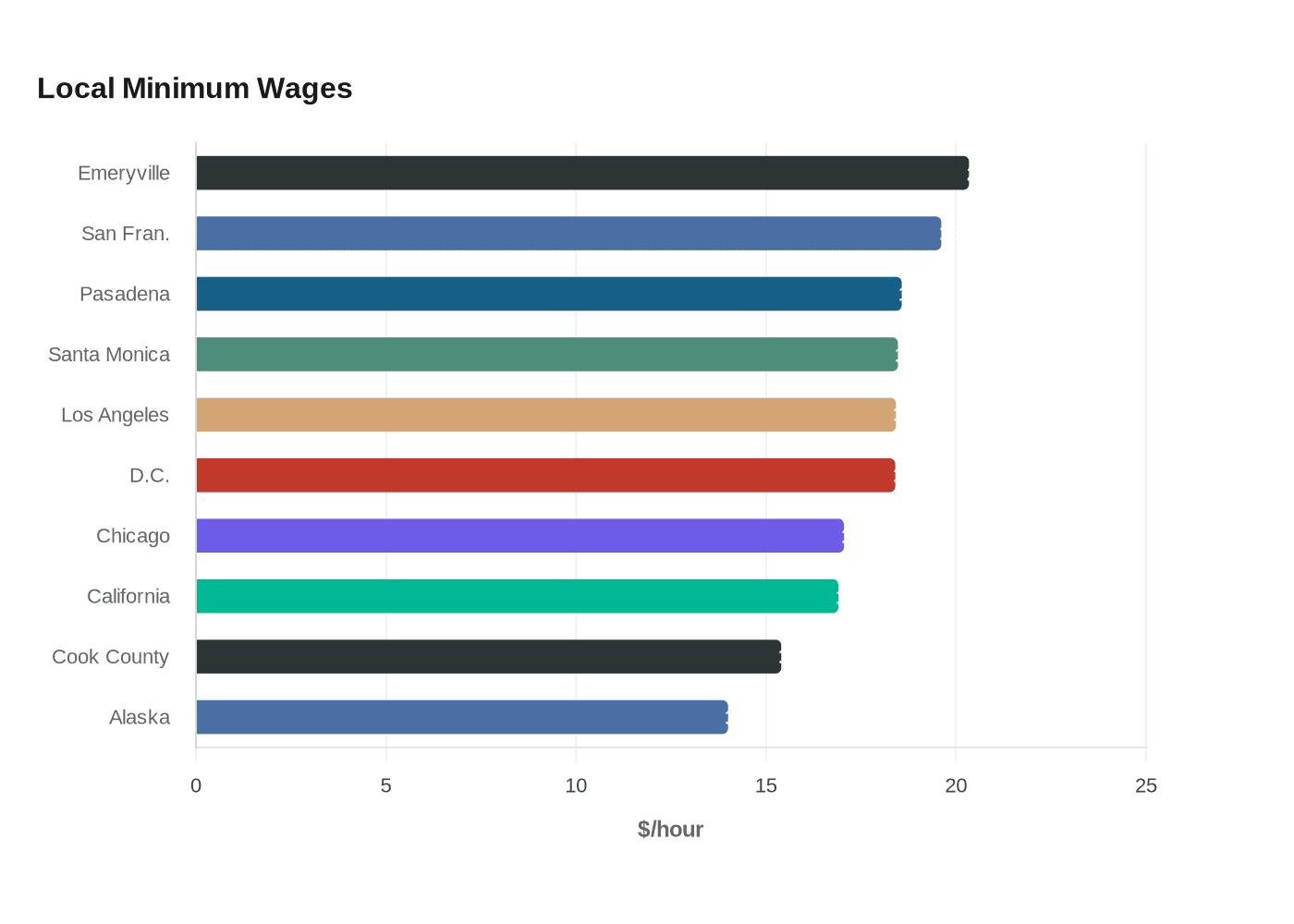
The federal minimum wage remains $7.25 an hour, unchanged since July 24, 2009, which is why these state and local moves now do the real work in many retail labor markets. Alaska’s minimum wage will rise from $13.00 to $14.00, Washington, D.C., will move to $18.40, Chicago will reach $17.05, and Cook County will go to $15.40 for non-tipped workers. In California, the statewide minimum wage is already $16.90 as of January 1, 2026, and several local rates will run higher still, including San Francisco at $19.61, Santa Monica at $18.47, Los Angeles at $18.42, Pasadena at $18.57, and Emeryville at $20.34, the highest figure in the July 1 update set.
For Target, that matters because wage pressure does not stop at the legal minimum. When a city or county raises its floor, nearby competitors in grocery, warehouse, restaurant, and other shift-based work can respond quickly, and the ripple effects show up in candidate flow, turnover risk, scheduling pressure, and the pitch managers make to applicants. In markets where the floor keeps climbing, stores can also feel sharper pay compression between new hires and longer-tenured team members.
Target already sits above those minimums in many places. The company says its U.S. hourly team member starting wage range is $15 to $24 per hour, depending on role and market, and most pay and benefits offerings are available starting day one. Target first moved toward an $11 minimum wage in September 2017, later set a goal of $15 by the end of 2020, and then established the current $15 to $24 starting range in February 2022. That history leaves the company in a different position than low-wage rivals, but it does not remove the pressure in markets where local laws keep inching upward.
Broad labor costs are still rising, too. The U.S. Bureau of Labor Statistics said civilian worker compensation costs increased 3.4% over the 12 months ending in March 2026, and Target is managing this year’s wage landscape while also reshaping its organization. In February 2026, the company said it would invest more in stores while cutting about 500 other roles, and Brian Cornell has shifted into the executive chairman role as Michael Fiddelke became chief executive. That makes the July wage round less like an isolated compliance issue and more like another test of how Target holds labor in a market that keeps getting more expensive.
This article was produced by Prism’s automated news system from verified source data, official records, and press releases, then run through automated quality and moderation checks before publishing. The system is built and supervised by the people who set the standards it runs under. Read our full AI policy.
Know something we missed? Have a correction or additional information?
Submit a Tip