Target’s 10-K shows stores drive more than 96 percent of sales
Target’s own filings show stores still move more than 96 percent of merchandise sales, while same-day orders push store work deeper into logistics.
Target’s own filings make the job description feel a lot less like old-school retail and a lot more like coordinated fulfillment. The company says stores handle more than 96 percent of merchandise sales in each of the last three years, which means the salesfloor, backroom, pickup area, and freight flow are all part of the same operating system. For team members and leaders, that changes the meaning of pace, priorities, and performance.
Stores as fulfillment hubs
Target describes itself as a single-segment business built so guests can shop seamlessly in stores or through digital channels. That sounds like a corporate phrase, but on the floor it translates into one reality: the store is not just where product sits, it is where product moves. The company says its strategy depends on stores, digital experience, fulfillment services, and its loyalty ecosystem, which makes the store the center of both the guest experience and the order network.
That is why store decisions now ripple far beyond one department. A zone walk is not only about presentation if the same team is also trying to keep pickup orders on time and the backroom clean enough to find what was sold five minutes ago. A schedule that looked fine for legacy retail can break down fast if it does not account for order volume, drive-up timing, and replenishment pressure at the same time.
What the numbers say about the pace of the job
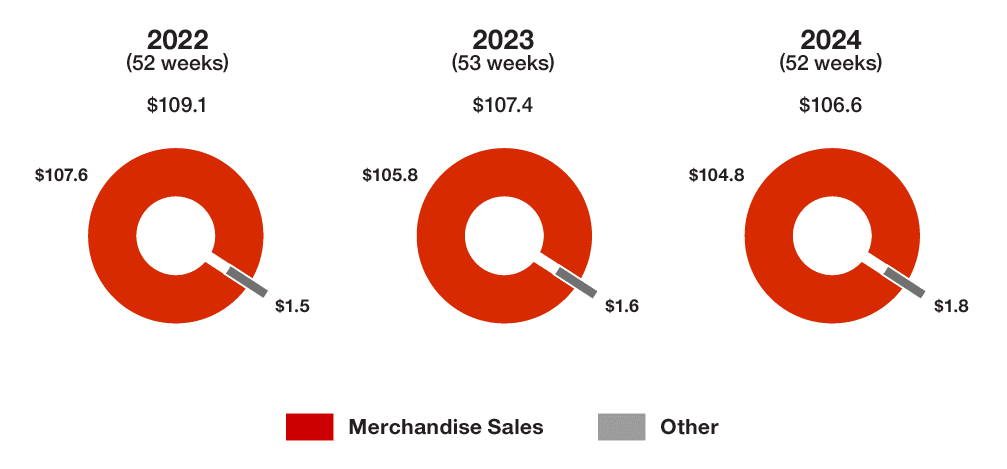
The clearest signal in Target’s report is the scale of store fulfillment. More than 96 percent of merchandise sales ran through stores in each of the last three years, according to the company’s annual report materials. Target’s earlier annual report put that same pattern into plain numbers, saying stores fulfilled 96.0 percent of merchandise sales in 2020, 96.4 percent in 2021, and 96.7 percent in 2022.
That long-running pattern matters because it shows this is not a temporary post-pandemic shift. It is the operating model. Target’s 2025 annual report takes the point even further, saying stores fulfilled more than 97 percent of merchandise sales in each of the last three years, which reinforces how central the store remains even as digital shopping grows.
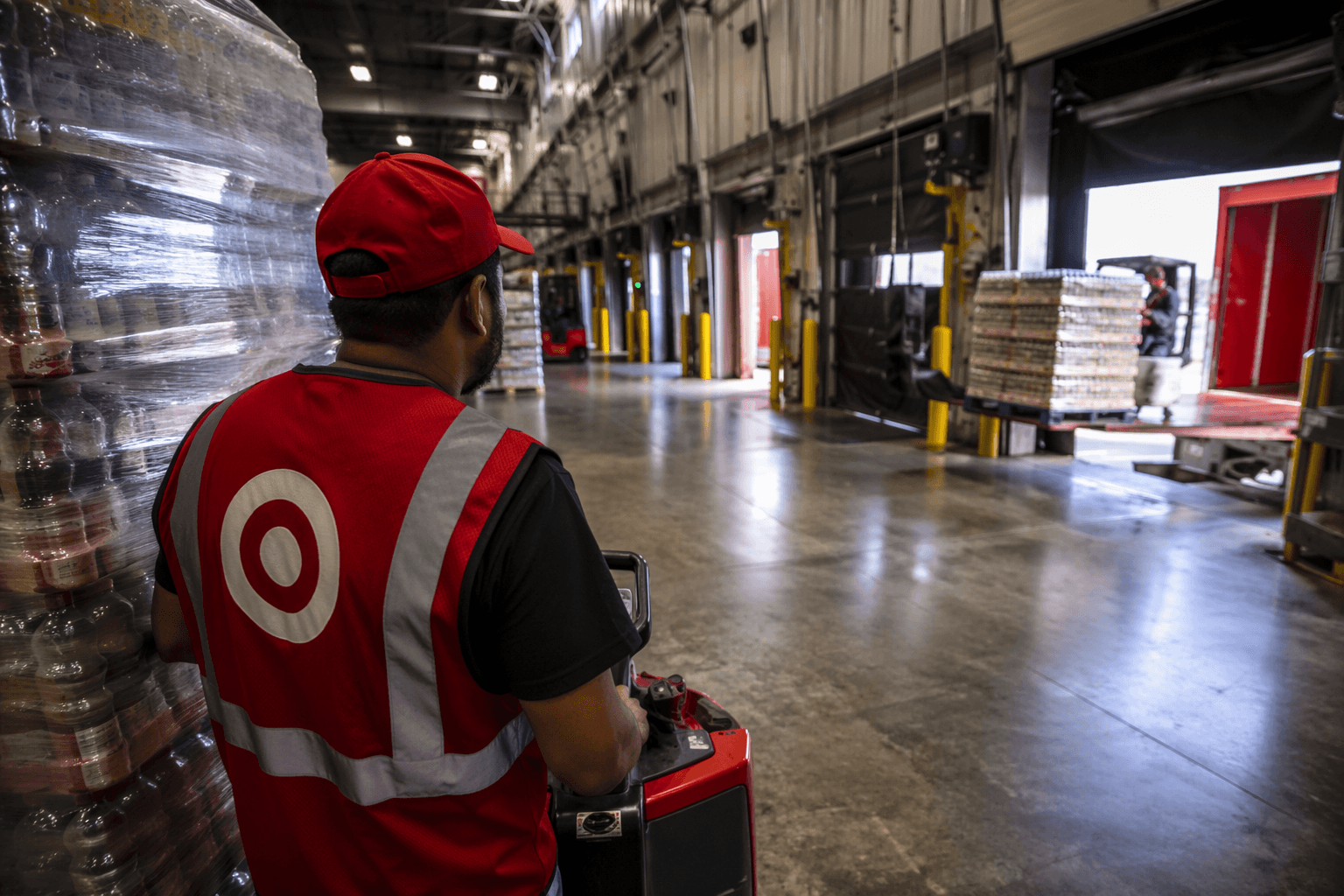
For the people running shifts, that means the store is doing double duty all day long. It has to look ready for walk-in guests while also behaving like a timed fulfillment machine. Fast recovery, accurate backroom inventory, and disciplined picking routines are no longer nice-to-haves; they are core to how the business claims it works.
Same-day services are a major part of digital growth
Target’s same-day services make the logistics load even clearer. In 2024, the company said it fulfilled over 65 percent of digital sales through same-day fulfillment options, including Order Pickup, Drive Up, and Same Day Delivery. Those same-day options grew 7.7 percent versus 2023, which shows the pressure on stores is rising along with demand.
The company had already signaled how important this channel mix had become. In the fourth quarter of 2023, same-day services represented more than 10 percent of total sales and increased 13.6 percent in the quarter. Then in the third quarter of 2024, digital comparable sales grew 10.8 percent, reflecting nearly 20 percent growth in same-day delivery powered by Target Circle 360 and double-digit growth in Drive Up.
That is the clearest reason many Target jobs feel more like logistics work than traditional retail. The work is not just stocking a shelf or ringing a register. It is an exercise in timing, routing, substitution awareness, guest handoff, and inventory accuracy, all while the building still has to operate as a store.
Why this model changes daily expectations
Target’s strategy also explains why the company keeps investing in stores, technology, and training. The 10-K says the business is focused on expanding and updating stores, enhancing digital experience, transforming supply chain reliability, and using technology, including artificial intelligence, to simplify work for teams. In practical terms, that means more of the work is being designed around speed, reliability, and coordination rather than isolated tasks.
The company’s 2024 annual report said it opened 23 new stores last year and expects to open about 20 more this year, while also remodeling many others. That is a useful reminder that Target is not shrinking its physical footprint to chase digital growth. It is building a store network that has to support both in-person shopping and fulfillment at once.
Target also says it launched or expanded owned brands in 2024 and invested in AI tools such as Store Companion and AI-powered inventory management systems. That matters to workers because it suggests the company is trying to remove friction from the day, not just add more tasks. If the tools work as intended, they should make it easier to find product, answer guest questions, and keep the building aligned with demand.
What store fulfillment means for margin and operations
The financial side of the model is just as important. Target’s earlier annual report said store fulfillment improves product availability, speeds fulfillment times, reduces shipping costs, and supports Order Pickup, Drive Up, and Shipt. Those are operational benefits, but they are also margin levers, because every efficient store pick can reduce the need to ship an order the expensive way.
Target’s fourth-quarter 2024 gross margin also benefited from lower supply-chain and digital fulfillment costs, which shows the company is watching these mechanics closely. For leaders on the floor, the message is straightforward: the way a store handles inventory, staging, and handoff does not just affect guest satisfaction. It affects cost structure.
That is why this model carries so much weight for team members, team leads, and ETLs. A clean backroom, a stable push process, and a reliable pickup flow are no longer separate goals. They are different parts of the same system, and Target’s filings make clear that the system runs through the store first.
This article was produced by Prism’s automated news system from verified source data, official records, and press releases, then run through automated quality and moderation checks before publishing. The system is built and supervised by the people who set the standards it runs under. Read our full AI policy.
Know something we missed? Have a correction or additional information?
Submit a Tip