Target Opens New Store but Customer Experience Struggles Continue to Linger
Target opened store #2,000 in March, but service desks chain-wide still absorb daily guest escalations from a competitor price-match policy that ended in July 2025.
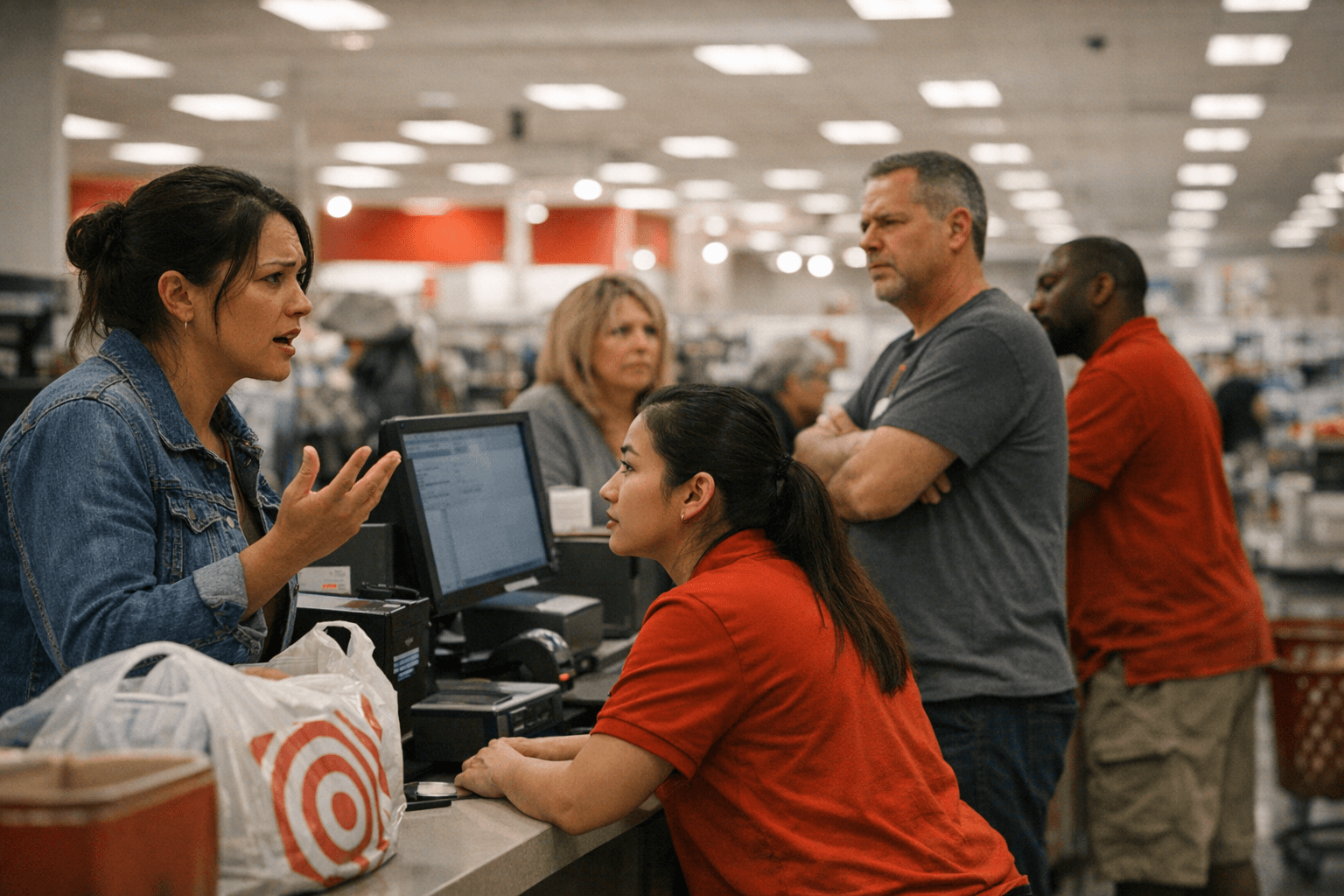
Every service desk team member knows the moment: a guest slides a phone across the counter showing a lower price at Amazon or Walmart and expects a match. Since July 2025, the answer has been no, and nine months later that policy change is still generating some of the highest-friction interactions cashiers and guest services teams face on any given shift.
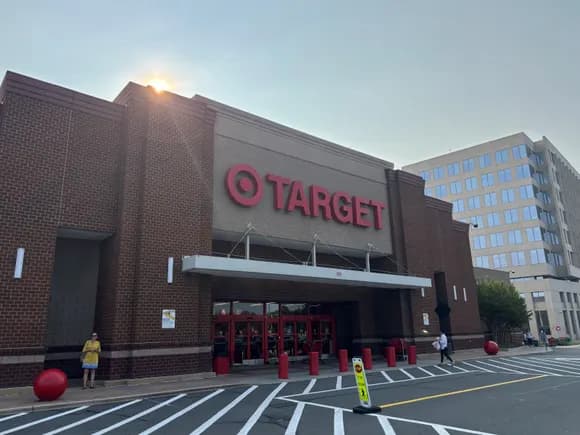
Target reached its 2,000th store milestone in March with a grand opening in Fuquay-Varina, North Carolina, just southwest of Raleigh. The 148,000-square-foot location represents the company's latest store prototype, built around an open layout, a food and beverage department 30 percent larger than the chain average, a CVS Pharmacy, a Starbucks Cafe, and a Disney Shop. Six additional stores opened the same month in Bakersfield and Delano, California; Springfield, Missouri; Jersey City and West Orange, New Jersey; and Dallas, Texas. The company plans to open more than 30 new stores across 2026 and more than 300 by 2035, backed by a $5 billion capital investment plan.
The expansion ambition is real. So is the gap between what the new stores are designed to deliver and what frontline teams are navigating in existing locations every day.
CEO Michael Fiddelke, who stepped into the role in February 2026, identified three problems immediately: stores that feel cluttered, chronic out-of-stocks, and shopping experiences that read as transactional rather than welcoming. Those are exactly the conditions that turn routine transactions into escalations. An out-of-stock triggers a rain check conversation. A cluttered sales floor slows price verification. A transactional environment means guests who already distrust the pricing are less likely to give a cashier the benefit of the doubt.
Target committed $1 billion in operational investment toward guest experience improvements, and Fiddelke has framed the turnaround plainly: "It's about doing the work to earn back trust." But analysts at CX Dive noted that additional labor hours remain one of the most direct levers available to reduce in-store pressure, specifically citing poor in-stock rates and long checkout lines as the two challenges most responsive to staffing changes. Neither problem resolves itself through store design alone.
The pricing picture is genuinely complicated for front-end teams. Target did end competitor price matching in July 2025 and no longer matches Amazon, Walmart, or any external retailer at the register. A 14-day price adjustment window still applies, but only against Target's own prices. Meanwhile, Jefferies analysts noted in late 2025 that Target is cutting prices on thousands of products while "allowing Walmart to maintain its low-price leadership," which means guests arrive expecting price parity that Target's own register policy no longer supports. That gap shows up in guest complaint data and team member stress simultaneously.
Target projects net sales to rise 2 percent in 2026, ending a multiyear slump supported largely by new store traffic and its fast-growing advertising business. The Fuquay-Varina store and its peers will likely open strong. The harder test is whether the $1 billion operational commitment reaches the specific pressure points team members have been flagging for two years: clearer promotional signage, realistic staffing ratios at the service desk, and returns policy tools that reduce the back-and-forth rather than adding steps to it. New prototypes attract guests. What keeps those guests from escalating is everything that happens after they walk in.
This article was produced by Prism’s automated news system from verified source data, official records, and press releases, then run through automated quality and moderation checks before publishing. The system is built and supervised by the people who set the standards it runs under. Read our full AI policy.
Did this article answer your question?