Target Reports Shrink Has Fallen to Pre-Pandemic Levels, Easing Pressure on Stores
Target's shrink hit pre-pandemic levels, but analysts say stabilized supply chains deserve more credit than the theft crackdown narrative retailers have pushed.
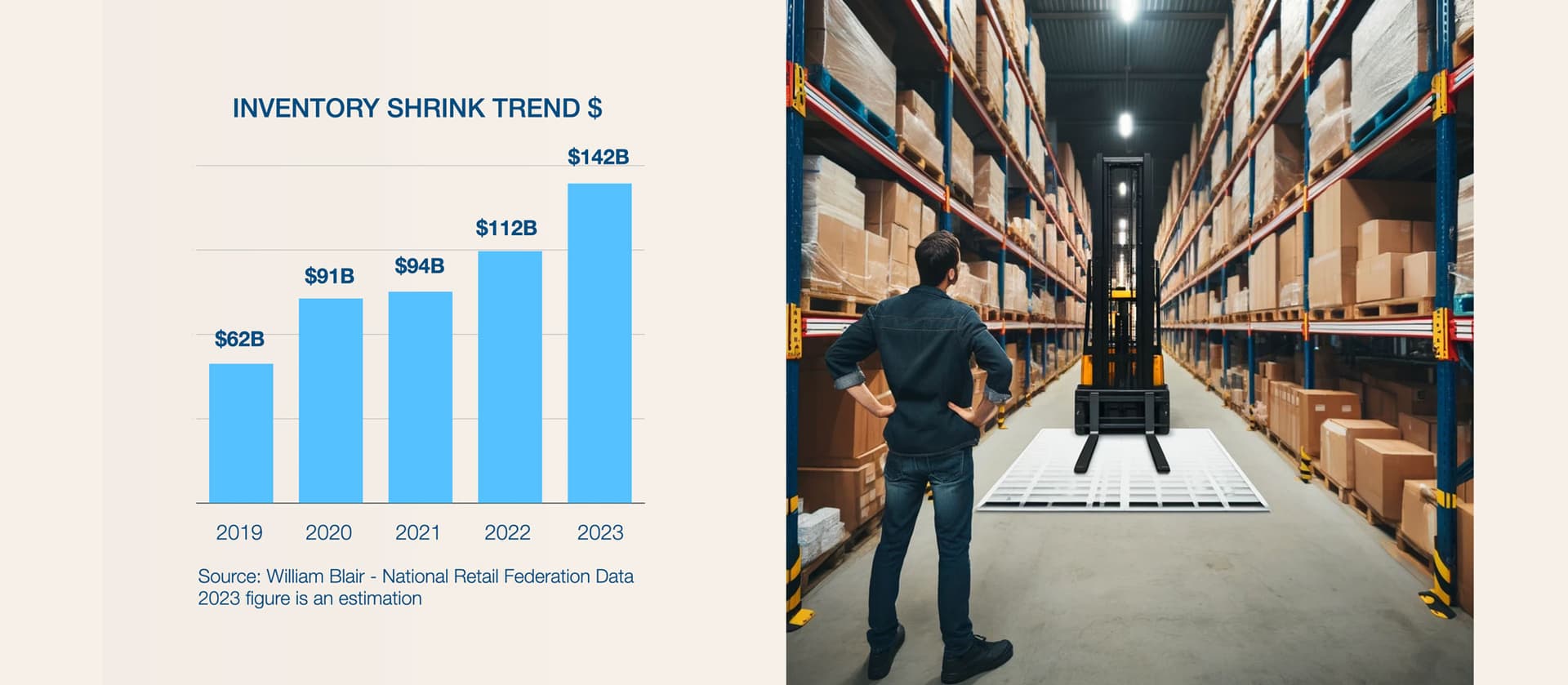
Target's inventory losses have fallen back to pre-pandemic levels, the company disclosed at its annual investors day on March 3, closing a chapter that once threatened to drain $600 million from its 2022 profits.
CFO Jim Lee credited the improvement to the people closest to the work. "A testament to the great work of our team, along with the industry and community efforts to combat retail theft across the country," he told the investors day crowd. But analysts who study retail operations say the real story is more complicated than that framing suggests.
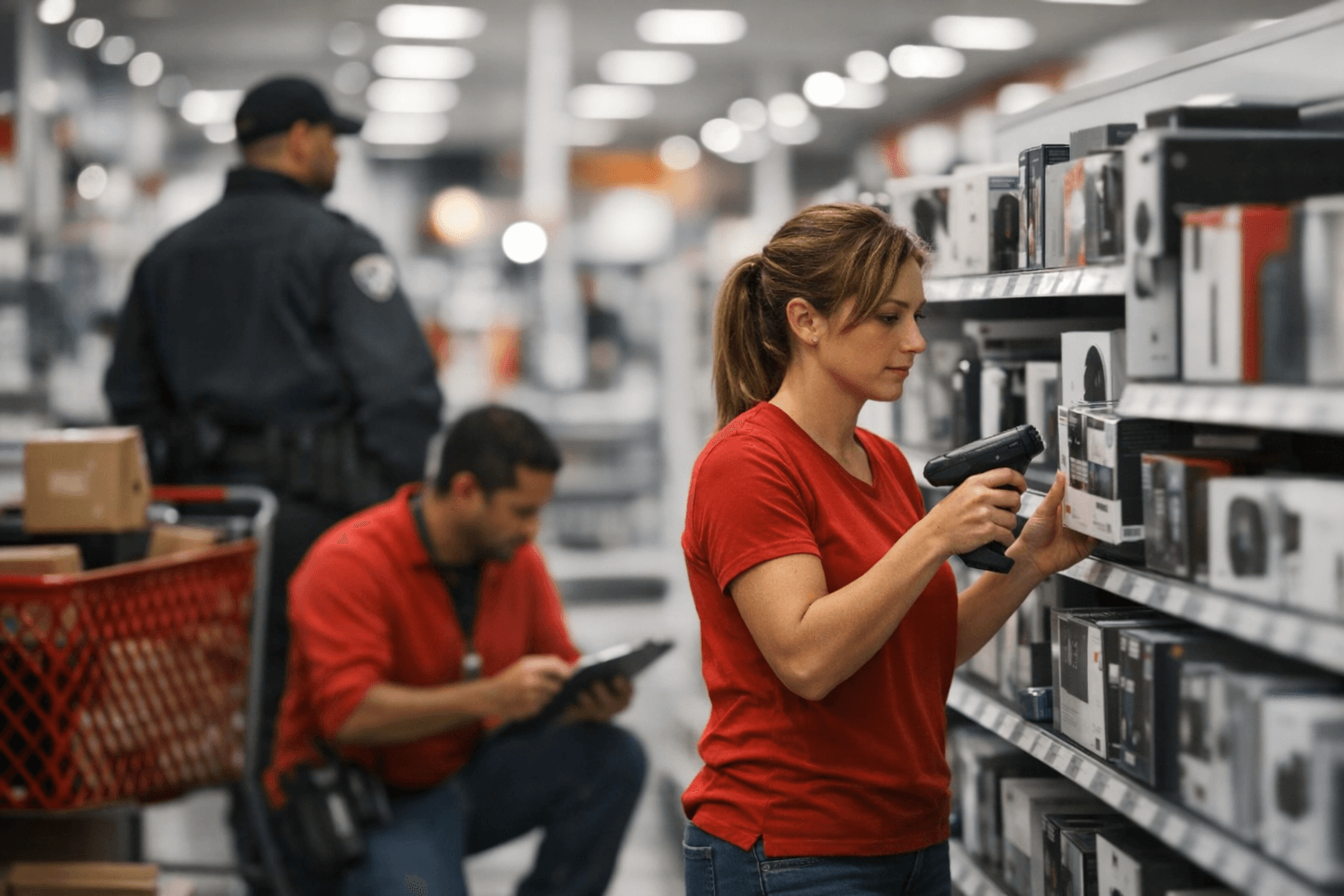
Shrink measures the gap between what a company's store inventory records show and what is tallied when stores actually count their merchandise. The gap includes stolen items, but it also captures damaged goods, shipping discrepancies, billing mistakes, and simple administrative errors. That distinction matters when explaining what actually drove Target's numbers back down.
"Shrink has been going down for at least the last year across all major retailers, and everybody's high-fiving. But the most significant contributor is inventory predictability and stability," said Brand Elverston, an independent retail consultant who formerly helped lead asset protection at Walmart. His point: the retail industry spent years framing shrink as primarily a theft problem, but the supply-chain chaos that followed the pandemic inflated those numbers in ways that had nothing to do with shoplifters.
The mechanics of that inflation are visible in Target's own data. In May 2022, Target reported its inventory was 43% higher than a year earlier. By June, the company was slashing prices and canceling vendor orders to dig out. Retailers that swung from empty shelves during the pandemic's peak to drowning in excess stock in 2022 were measuring shrink against wildly unstable baselines. Missed loads, uneven shipments, and delayed deliveries introduced discrepancies at every step before a single item reached the sales floor.
Over the following years, the work of clearing that excess, tightening forecasting models, and restoring predictable ordering cycles gradually brought those discrepancies under control. As those systems stabilized, shrink rates fell.
The improvement is real, and it is industry-wide. But the recovery carries a caveat that Lee's investors day remarks didn't address. Tariffs and price increases could potentially cause shrink levels to climb again, according to analysts who track the retail supply chain. The same conditions that made inventory unstable in 2022 — cost shocks, disrupted ordering patterns, sudden demand shifts — are exactly what trade policy turbulence tends to produce. If tariff pressure creates a new round of supply-chain unpredictability, the metric that Target is now celebrating could reverse before the anti-theft narrative has time to catch up with the actual data.
This article was produced by Prism’s automated news system from verified source data, official records, and press releases, then run through automated quality and moderation checks before publishing. The system is built and supervised by the people who set the standards it runs under. Read our full AI policy.
Did this article answer your question?