Target shareholders face push to oust Brian Cornell, Christine Leahy at annual meeting
Target’s June 10 vote has become a test of DEI rollback, board trust and whether workers will see more culture pullback or a firmer defense of inclusion.
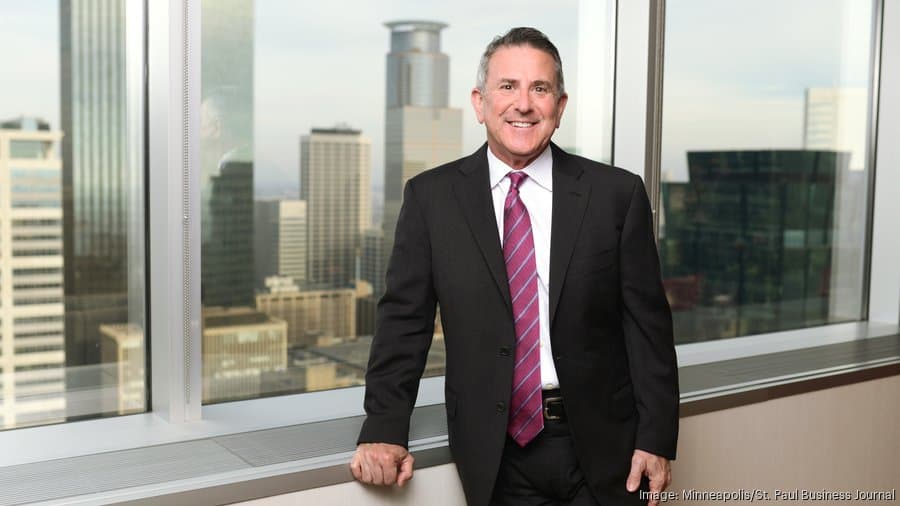
A coalition led by SOC Investment Group, Trillium Asset Management and Mercy Investment Services is pressing Target shareholders to vote against Executive Chair Brian Cornell and Lead Independent Director Christine Leahy ahead of the company’s June 10 annual meeting, arguing that years of strategic and operational missteps have damaged long-term value. For Target workers, the bigger issue is what sits behind that criticism: a company still trying to explain how it handles culture fights, public backlash and inclusion policies while asking store teams and corporate staff to keep the brand steady.
Target’s proxy says the annual meeting will be held Wednesday, June 10, 2026, at 12:00 p.m. Central Daylight Time in virtual format. The board says Leahy oversaw a deliberate CEO succession process and stands behind Michael Fiddelke, who became chief executive on Feb. 1, 2026, while Cornell moved into the executive chair role. The proxy also says Target added Stephen Bratspies and John Hoke, III as independent directors, while Douglas Baker and Grace Puma are not seeking re-election and Donald Knauss is retiring at the meeting.
The shareholder fight lands after Target already made one of its sharpest culture reversals in recent memory. On Jan. 24, 2025, the company said it would end its three-year DEI goals and stop reporting to outside diversity indexes. Target said there were no job cuts tied to the change, but for employees the message was hard to miss: the company was narrowing commitments that had shaped recruiting, promotion language and the public face of the brand. Target employs more than 400,000 people and operates nearly 2,000 stores nationwide, so even policy shifts that begin in Minneapolis or Boston can filter down to the sales floor fast.
The investors are also tying the board criticism to Target’s response to outside pressure and to earlier backlash over Pride merchandise. In 2023, Target pulled some Pride items after threats and confrontations that the company said made employees feel unsafe, and Cornell later said the reaction hurt second-quarter sales. The coalition is now arguing that the board has not just faced a brand problem, but has helped create one by mishandling issues that affect morale, public trust and the way workers experience the company day to day. Target has said it does not have a cooperative agreement with ICE and has no formal relationship with immigration agencies, after scrutiny over its response to reports of immigration raids at Minnesota stores.
The June 10 meeting will also be a test of how much shareholder backing Target’s directors still have. At last year’s annual meeting, 391,209,355 shares were voted, about 86.1% of outstanding shares. Cornell received 91.0% support and Leahy 96.4%, while a shareholder proposal on affirmative action risk disclosure got only 7.1% support. That history gave the board room to argue stability, but this year’s challenge shows that stability is being measured against a new standard: whether Target can defend its culture decisions without leaving employees to absorb the fallout.
This article was produced by Prism’s automated news system from verified source data, official records, and press releases, then run through automated quality and moderation checks before publishing. The system is built and supervised by the people who set the standards it runs under. Read our full AI policy.
Know something we missed? Have a correction or additional information?
Submit a Tip