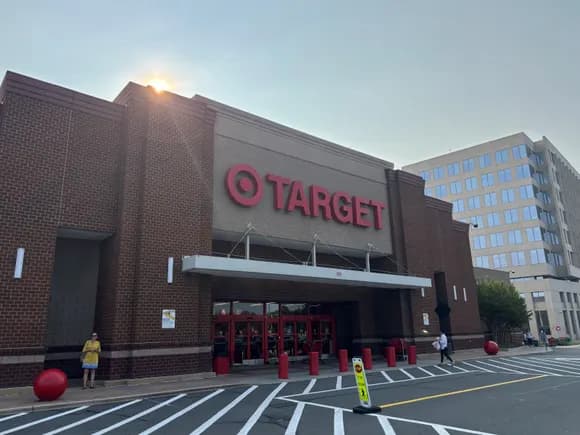
Target spotlights supply chain careers as engine of store reliability
Target's supply chain jobs are more than warehouse work: they power shelf stock, pickup speed and career growth across a 66-facility network.

How Target turns supply chain into a career path
Target’s supply chain is not a quiet support function tucked away from the sales floor. It is one of the company’s core operating engines, the part of the business that helps make sure products reach stores and guests’ doorsteps on time, every time. That framing matters for team members because it puts warehouse work, leadership roles, and fulfillment operations in the same conversation as store performance, guest satisfaction, and growth.
The company’s career materials make that connection explicit. Supply chain roles sit alongside stores, corporate headquarters, and global operations, with opportunities that run from entry level to executive level. For team members who have only thought about Target through store roles, the message is bigger than recruitment: the fastest-moving parts of retail are increasingly the ones that happen before a product ever reaches a shelf.
A network built around reliability
Target’s scale shows why supply chain skills matter so much. The company says it operates 2,000 stores, 66 supply chain facilities, and more than 14,000 corporate team members connected to headquarters, along with a global capabilities center in Bengaluru, India. That network is designed to keep inventory flowing across the United States while supporting digital fulfillment that now shapes the everyday guest experience.
The company also says its stores fulfill the majority of digitally originated sales, while digitally originated sales can also be fulfilled through distribution centers, vendors, or other third parties. In practice, that means the supply chain is now tied directly to how guests shop, whether they are using Order Pickup, Drive Up, Same Day Delivery, or traditional store visits. For team members, this is the clearest proof that supply chain work affects nearly every corner of the business.
What the work looks like on the ground
Target describes the hourly side of supply chain careers as fast-paced, safety-first warehouse work centered on moving and handling products. That includes the kind of physical execution that keeps inbound freight from piling up, gets goods into the right lanes, and moves items toward stores or guest orders without losing speed or safety. The leadership side is just as operational, with a focus on guiding team members, maintaining teamwork, and keeping work areas safe and efficient inside dynamic warehouse spaces.
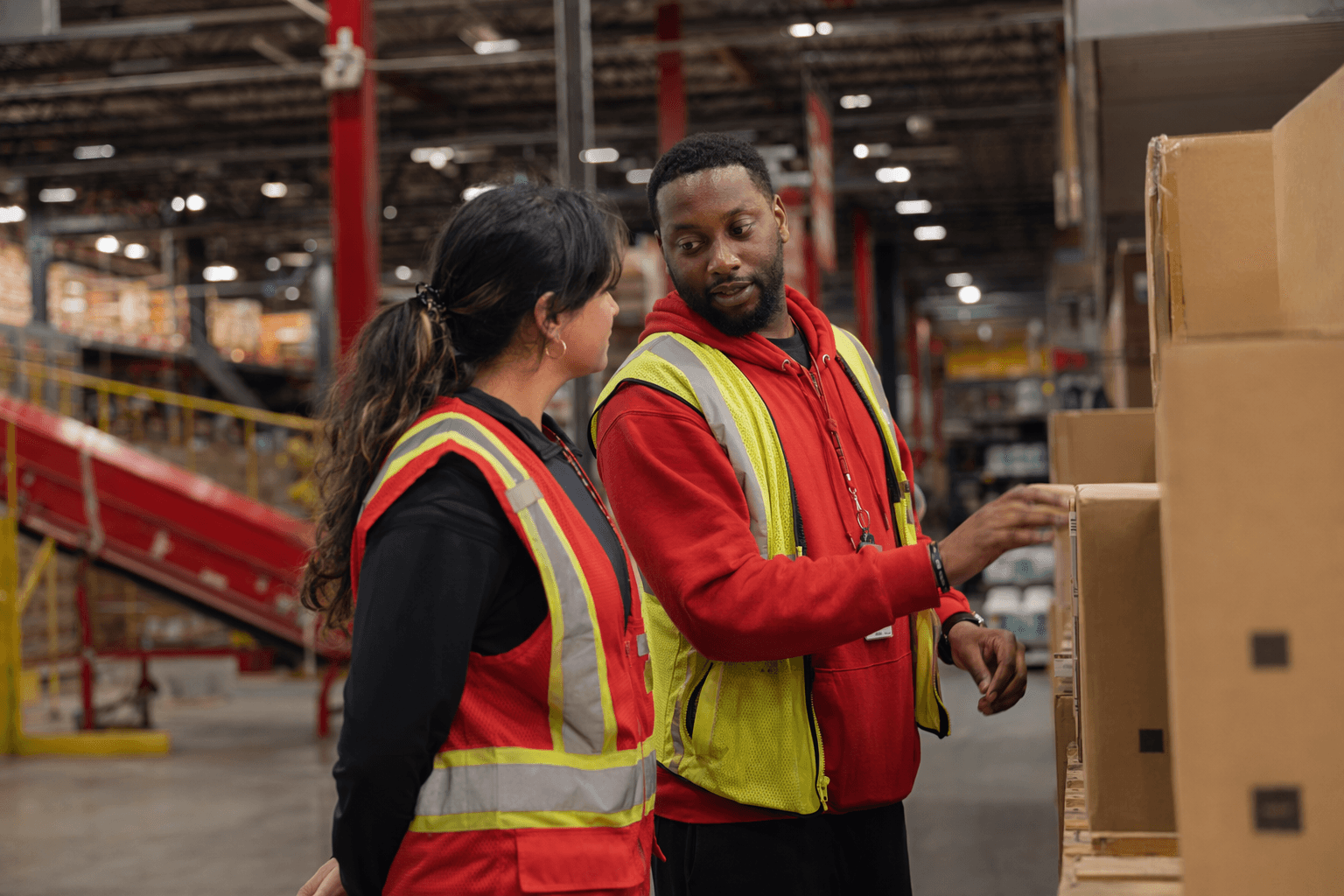
That split matters because it shows two different entry points into the same system. One path starts with hands-on logistics and can build skills in product flow, safety discipline, and operational consistency. The other leans into people leadership, coaching, and pacing work in high-volume facilities where small delays can ripple outward into store availability and digital promise times. Both paths teach the same core lesson: reliability is built by people, not just process.
Why store shelves depend on what happens off the floor
Target’s supply chain story is really a story about the store experience. When shelves are full, pickup orders are ready, and Drive Up runs smoothly, that success often traces back to decisions made in a facility hours or days earlier. The company’s 2024 annual report says more than 65 percent of digital sales were fulfilled through same-day options, and those same-day options grew 7.7 percent versus 2023.
That growth helps explain why supply chain work has become central to retail strategy. As more guests expect speed, Target has to move inventory with enough precision to support both in-store demand and digital fulfillment. For store team members, that means fewer surprises from out-of-stocks and more confidence that seasonal resets, promotional items, and high-demand goods will actually be there when guests want them.
Sortation centers and the stores-as-hubs model
One of the clearest examples of Target’s changing fulfillment model is its sortation network. The company says its sortation centers are part of its stores-as-hubs strategy, and it describes the network as a way to improve speed and efficiency while reaching guests across major U.S. markets. That model is important because it shows how stores are no longer just endpoints for shoppers; they are also nodes in a broader fulfillment system.
For workers, that creates new career relevance across roles that once seemed disconnected. A store team member handling inventory, a supply chain associate moving freight, and a leader coordinating fulfillment all contribute to the same promise: getting the right product to the right place quickly. The result is a more integrated business where store operations and supply chain operations are increasingly inseparable.
Investment signals where the work is heading
Target is backing this model with real capital. The company says it expects 2025 capital expenditures of approximately $4 billion to $5 billion. It also said in 2025 that it planned more than $2 billion in incremental investments across the business, including more than a $1 billion increase in capital expenditures and another $1 billion in operating investments.
That level of spending tells workers where the company sees opportunity. Supply chain and technology projects are not side bets; they are part of the company’s growth strategy. For team members and leaders, that usually means more emphasis on facility capability, digital fulfillment, and the systems that help stores stay reliable under pressure. It also suggests there will be continued demand for employees who can adapt to new tools, tighter service expectations, and more integrated operations.
A career path that reaches beyond the warehouse
Target’s supply chain page is useful because it does more than list openings. It reframes the work as a career path with room to grow, whether someone starts on the hourly side, moves into leadership, or later branches into another part of the company. That matters in a workplace where advancement often depends on seeing the business beyond your own shift or department.
For Target team members, the most practical takeaway is simple: supply chain is where operational discipline becomes store trust. It is where safety, teamwork, and speed turn into stocked shelves, ready pickup orders, and dependable guest service. As Target keeps investing in facilities, sortation, and technology, the people who move product and lead those teams will remain central to how the company keeps its promise across stores, homes, and digital orders.
This article was produced by Prism’s automated news system from verified source data, official records, and press releases, then run through automated quality and moderation checks before publishing. The system is built and supervised by the people who set the standards it runs under. Read our full AI policy.
Did this article answer your question?