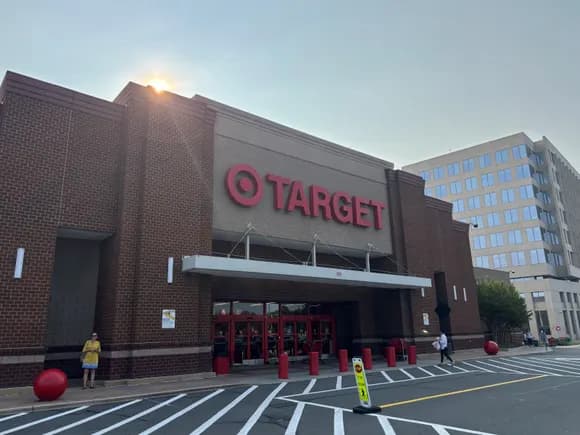
Target Team Members Face Key NLRB, DOL, and EEOC Enforcement Changes
NLRB general counsel Crystal Carey told regional offices to settle cases faster and ease off unenforced employer rules — a shift that lands squarely on non-union retailers like Target.
Three federal agencies shifted enforcement posture in the same week, and the combined effect points directly at large non-union retailers. For Target, which operates without a unionized workforce across the vast majority of its stores, the changes at the NLRB, the Department of Labor, and the EEOC represent a meaningful reshaping of the regulatory environment team members and store leadership navigate every day.
NLRB General Counsel Crystal Carey issued a directive instructing regional offices to prioritize resolving existing cases over opening new enforcement actions. The guidance tells regions to approve informal board settlements and to grant withdrawal requests based on non-board settlements where the parties agree and the terms are lawful. Carey also signaled reduced scrutiny on a specific category of complaints: cases where an employer's workplace rule is alleged to be illegal but there is no evidence the rule has actually been enforced or caused harm to employees. On the remedies side, the directive discourages enhanced remedies in settlements, reserving them for violations described as egregious or recidivist.
The practical read for Target's executive team leaders and HR staff: the NLRB is less likely to open fresh cases over policy language on paper, and more likely to push toward settlement on the cases already in the pipeline.
The Department of Labor move cuts even more directly to Target's situation. Solicitor of Labor Jonathan Berry issued an internal memo directing enforcement staff to focus resources on non-unionized workplaces, reasoning that unions are better positioned than the agency to address certain harms in unionized workforces. Since Target's stores operate without union representation, that memo essentially places the chain in the higher-priority enforcement tier under the DOL's revised strategy. Berry's memo notes the approach should be applied flexibly, though the captured language does not enumerate specific exceptions.

The EEOC's DEI enforcement activity was flagged as a third area of movement in the same roundup, hosted by Epstein Becker Green attorney George Whipple, though substantive details on specific EEOC directives or enforcement examples were not available in the released summary.
The shifts were reported by Epstein Becker Green on March 18, 2026, and the full texts of the Carey directive and the Berry memo have not been publicly released. The exact scope of both documents, including any enumerated exceptions or procedural instructions, remains unconfirmed from primary sources. Team members or leads with questions about how these changes affect specific workplace policies or ongoing matters should consult the store's HR business partner or legal counsel rather than drawing conclusions from agency-level summaries alone.
This article was produced by Prism’s automated news system from verified source data, official records, and press releases, then run through automated quality and moderation checks before publishing. The system is built and supervised by the people who set the standards it runs under. Read our full AI policy.
Did this article answer your question?