Target’s car seat trade-in event tests store readiness, guest service
Target’s car seat trade-in turns Guest Services into a busy handoff point, with drop boxes, app scans and a two-week burst of questions for store teams.
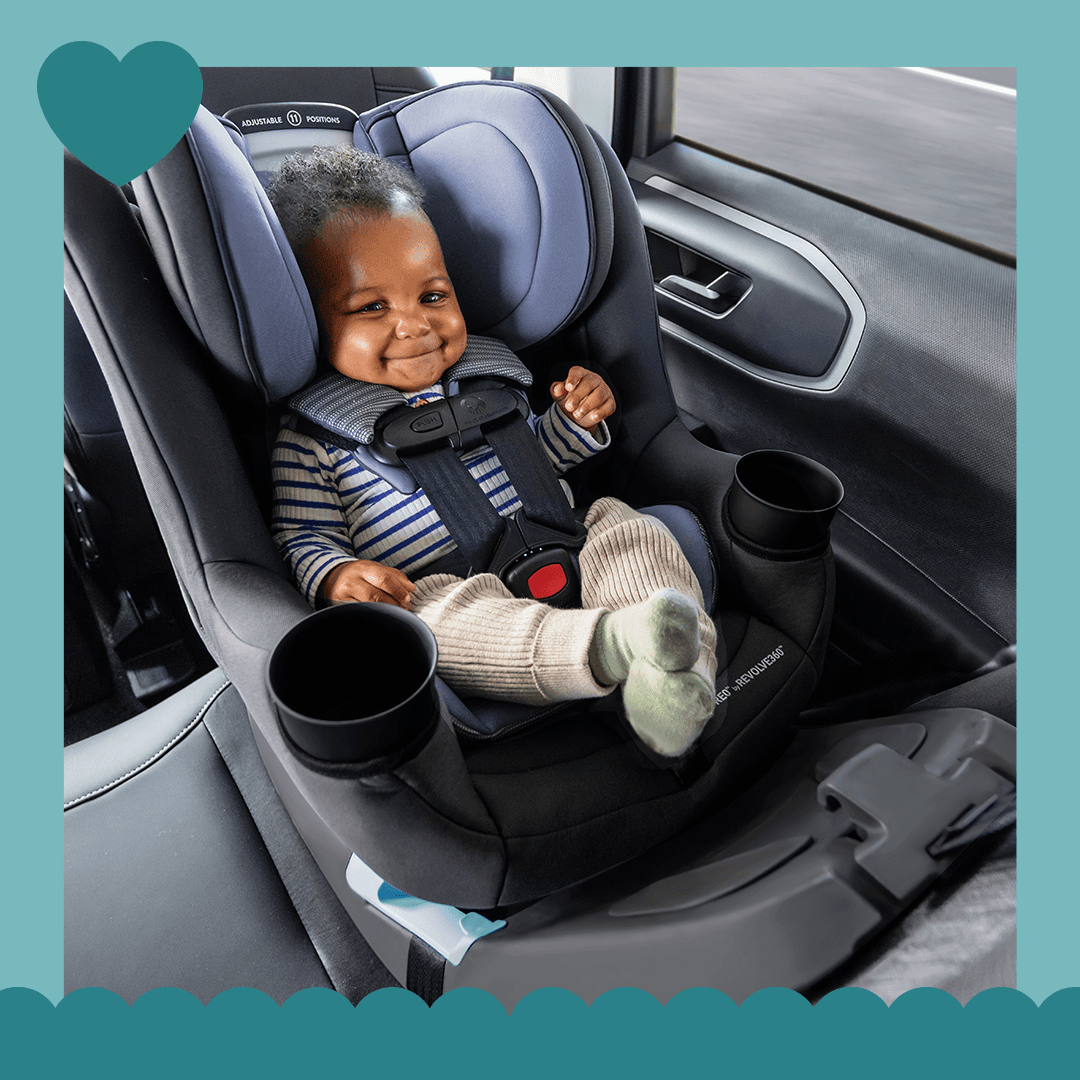
The car seat trade-in is not just a savings event for Target shoppers. In stores, it is a front-end execution test that puts Guest Services, the baby department and store leaders on the hook for a two-week stretch of extra questions, drop-offs and quick explanations.
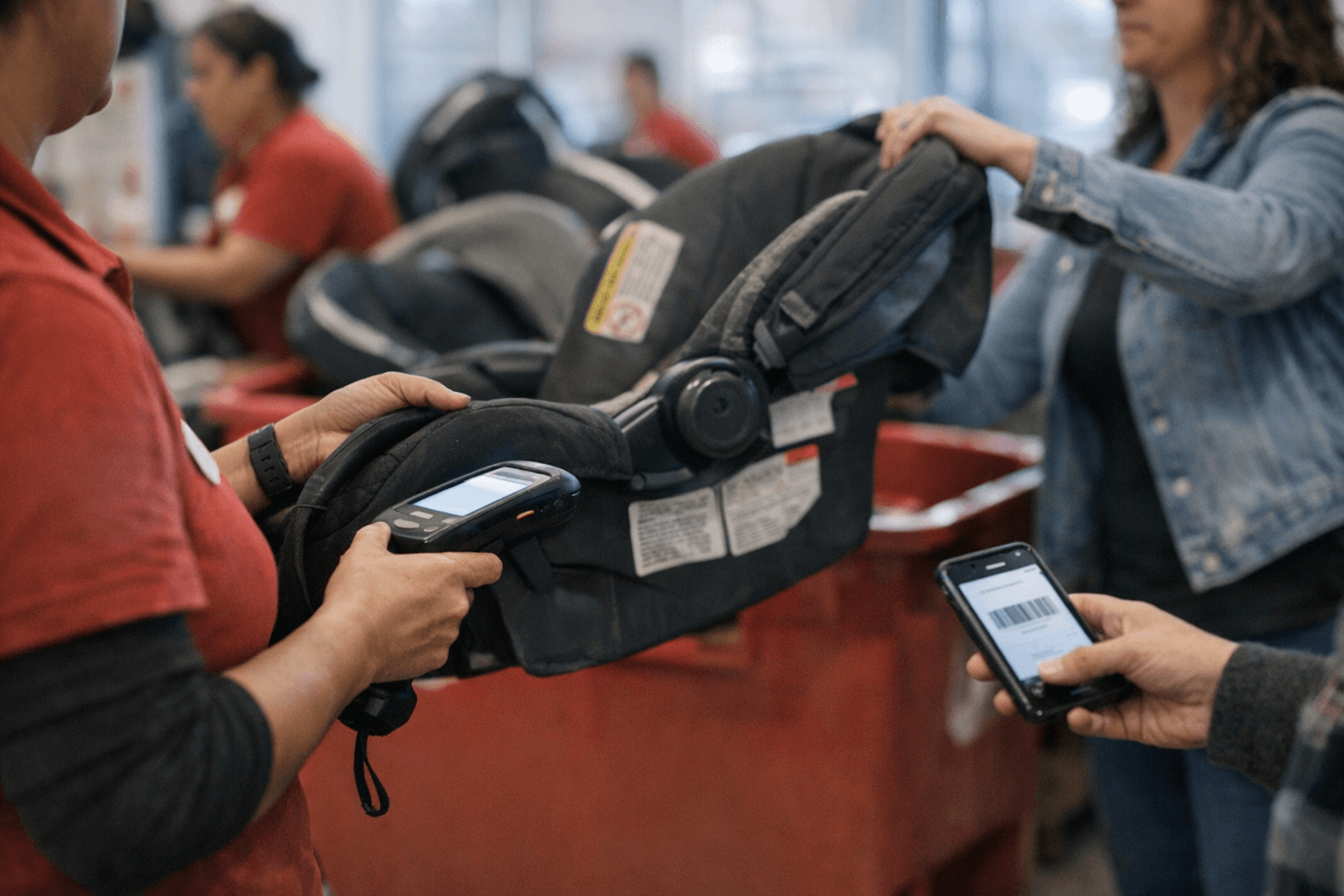
Target’s 2026 event runs from April 19 through May 2 at participating stores, with the exception of select small-format locations. Guests bring unwanted seats to drop-off boxes near Guest Services, including infant car seats, convertible car seats, car seat bases, harness or booster seats, and even expired or damaged seats. That creates a simple customer path on paper, but it can still mean clutter, sorting and a steady stream of shoppers asking what qualifies and what they save next.
The savings side is straightforward. Guests who scan the in-store sign with a mobile device in the Target Circle app can unlock a 20% Target Circle Bonus on a new car seat, car seat base, travel system, stroller or select baby home gear. Target says the bonus runs through May 16, can be used twice, and can be combined with other item offers, with exclusions for items sold and shipped by Target Plus and clearance. The eligible baby home gear list is broad enough to pull more families into the department, including playards, high chairs, swings, rockers, bouncers, walkers, entertainers and jumpers.
The operational challenge is that the promotion lives at the front of the store but touches several parts of it. Target says stores need clear signage and a shared understanding of the process so the event does not create confusion for guests or extra friction for team members. In practice, that means the event works best when leaders make the steps easy to explain in a few seconds and keep the physical flow of returned seats under control.
Target has made this a recurring part of its seasonal retail playbook. The company says it launched the first car seat trade-in in April 2016 and has since recycled more than 3.5 million car seats, or 1.2 million pounds of material. Target also says the traded-in seats are broken down by partners into products such as pallets, plastic buckets, steel beams, carpet padding and select Brightroom items. That recycling piece gives the event more weight than a discount coupon, especially for families replacing outgrown seats.
Safety is part of the pitch too. Graco has said most car seats last seven to 10 years, which helps explain why old, damaged or expired seats are still useful to turn in. Target’s spring 2024 event was its largest ever, with nearly 440,000 car seats turned in, a scale that shows how quickly a family-friendly promotion can become a major store-level workload when the process is simple and the guest demand is high.
This article was produced by Prism’s automated news system from verified source data, official records, and press releases, then run through automated quality and moderation checks before publishing. The system is built and supervised by the people who set the standards it runs under. Read our full AI policy.
Did this article answer your question?