Target’s Pure Genius Protein launch ripples across store operations
A single protein launch can change the pace of an aisle, from endcap upkeep to pickup accuracy, and it can either simplify selling or pile on more work.
A wellness launch that reaches far beyond one shelf
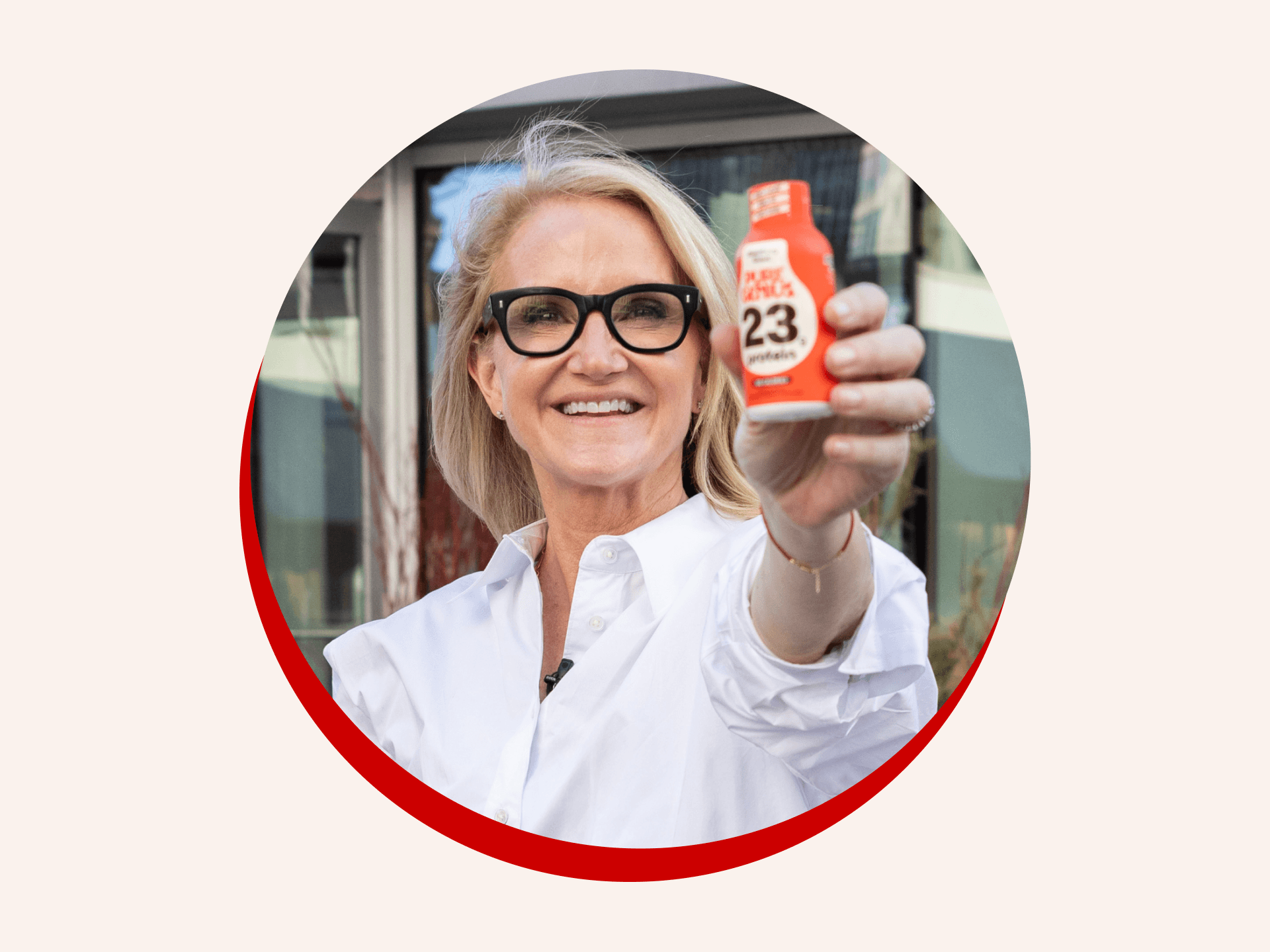
A single wellness launch can change how a Target aisle behaves for the rest of the day. Pure Genius Protein is being positioned as a discovery item for guests who want something convenient, wellness-forward, and easy to fit into an ordinary shopping trip, but that kind of launch does more than add another product to the shelf. It touches inbound merchandising, shelf labeling, fulfillment accuracy, guest service, and the way team members explain the product mix to shoppers moving through a crowded protein aisle.
That is the real workplace story here. When Target leans on a recognizable founder and a conversational marketing angle, it is not just trying to sell a bottle or bar. It is trying to create curiosity, trial, and a reason for guests to stop and look, which can be good for sales but can also increase the number of questions, the number of substitutions to watch for, and the amount of upkeep required to keep the presentation clean.
Why this kind of launch changes the rhythm of the store
Pure Genius Protein sits in the same decision space as other protein shots, bars, and drinks, which means guests are likely to compare it on the spot. That puts pressure on team members to know not only what the item is, but where it lives in the aisle and how it differs from the products around it. A launch like this rewards stores that can answer the simple questions quickly: Is it in stock? Is it in store or online only? Which flavor or format is on the shelf?
The upside is that a clear, visually distinctive item can be easier to sell than a generic one. When the product has a story behind it, team members have a concrete way to open the conversation instead of trying to improvise. For frontline workers, that can turn a quick guest interaction into a straightforward upsell, especially when the item is easy to point to and easy to explain.
Traffic, trial, and the pressure on pickup orders
The launch is also likely to create more stops in front of the shelf. That may sound minor, but in a busy store those pauses matter. More curiosity means more guests lifting items, comparing labels, asking for specific flavors, and checking whether the item they saw online is actually on hand.
It can also mean more pickup orders that include the item, which raises the stakes on inventory accuracy. If the product sells through faster than expected, the problem does not stay in the aisle. It shows up in fulfillment, in substitutions, and at guest service when someone is looking for the exact version they selected online. That is one reason launches like this demand tight coordination between merchandising and front-of-store teams, not just a clean display.
Endcaps do not stay strong by accident
The article’s strongest operational message is simple: endcaps matter. A product like Pure Genius Protein can create a small burst of attention, but the display only works if it stays tidy, stocked, and easy to read. Clean endcaps do more than look nice. They help guests locate the product fast, support trial, and reduce confusion for team members who are already juggling multiple tasks.
Replenishment speed matters just as much. If demand picks up, a shelf that looked full in the morning can look picked over by midday, especially when curiosity traffic rises. That makes quick restocks and disciplined shelf labeling part of the selling strategy, not just backroom maintenance. In a launch built around convenience, an empty or messy presentation undercuts the whole point.
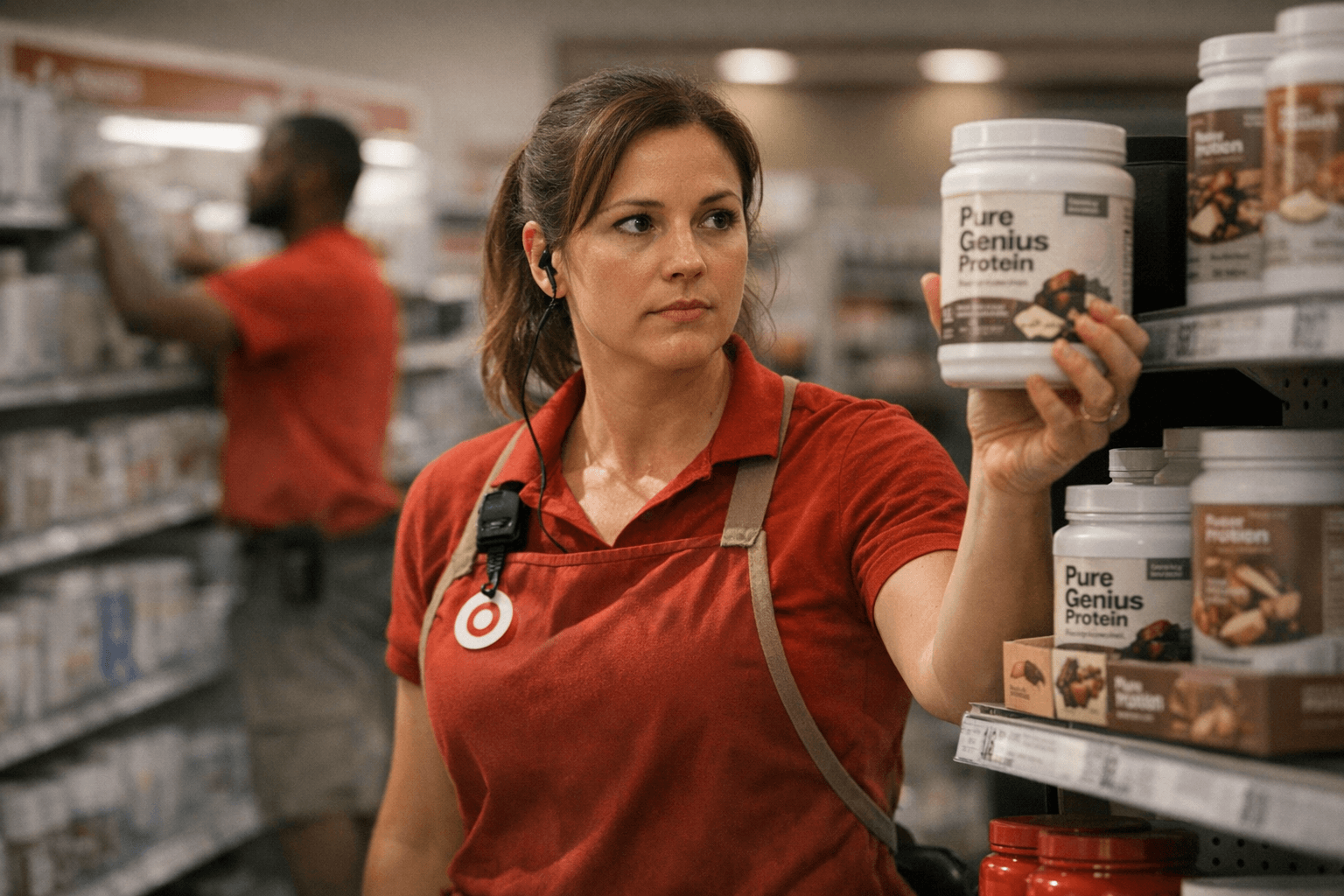
What team members may feel first: more questions, more movement, more follow-through
For store teams, the first sign of a successful launch is not always a sales report. It is the pattern of questions. Guests ask where the item lives, whether there is more in the back, which flavor is best, and whether the item they saw online is available now. A product with a story and a recognizable founder can generate interest fast, and that interest tends to concentrate in a few predictable places: the shelf, the pickup flow, and guest service.
That creates a split experience for workers. If the product is easy to explain and the display is visually distinctive, it can feel like a clean win. Team members can move guests along quickly and even use the product as a simple add-on suggestion. But if the launch lands with strong demand and the communication between teams is weak, the same item can become one more source of task complexity in an already busy aisle.
- Merchandising has to keep the product visible and labeled correctly.
- Inbound teams have to support restock speed when the shelf starts to thin.
- Front-of-store teams need enough product knowledge to answer the basic questions.
- Fulfillment teams need accurate counts so online orders match what is actually available.
That is a lot of coordination for one launch, which is exactly why these products are worth watching from a labor perspective.
Target’s wider pattern is the real clue
Pure Genius Protein is not just a one-off item. It fits Target’s broader habit of using exclusive or story-driven assortment to make the shopping experience feel different. That strategy can be energizing for team members when the item is distinctive, simple to explain, and easy to find on the floor. It gives workers a cleaner answer when guests ask why this product is here and what makes it worth trying.
But there is a tradeoff that does not disappear just because the marketing is clever. When a launch connects, it can create extra labor pressure. More curiosity means more upkeep. More trial means more replenishment. More online attention means more accuracy demands. In practice, the success of a wellness launch is measured not just in sales, but in whether stores can keep the aisle organized enough for the next guest and the next pickup order.
The operational test behind the wellness story
For workers, the key question is not whether Pure Genius Protein looks good in the circular or on the shelf. It is whether the launch makes the day easier or harder. If the item is clearly labeled, well stocked, and supported by communication across merchandising, inbound, and front-of-store teams, it can create easy sales wins and a more polished guest experience. If demand surges without enough coordination, it becomes another task that lands on teams already managing a lot.
That is the broader lesson hidden inside the launch. A wellness product can be more than a trend item, but only if the store is set up to handle the extra traffic, the extra questions, and the extra replenishment that come with it. At Target, the difference between a smart assortment move and a labor headache often comes down to how well the store can keep up once guests start showing up for the story behind the product.
This article was produced by Prism’s automated news system from verified source data, official records, and press releases, then run through automated quality and moderation checks before publishing. The system is built and supervised by the people who set the standards it runs under. Read our full AI policy.
Did this article answer your question?