Target’s new Houston receive center could become a supply chain model
Target’s 1.2 million-square-foot Houston receive center opened in late April, a $265 million bet to move product upstream and ease store backroom pressure.
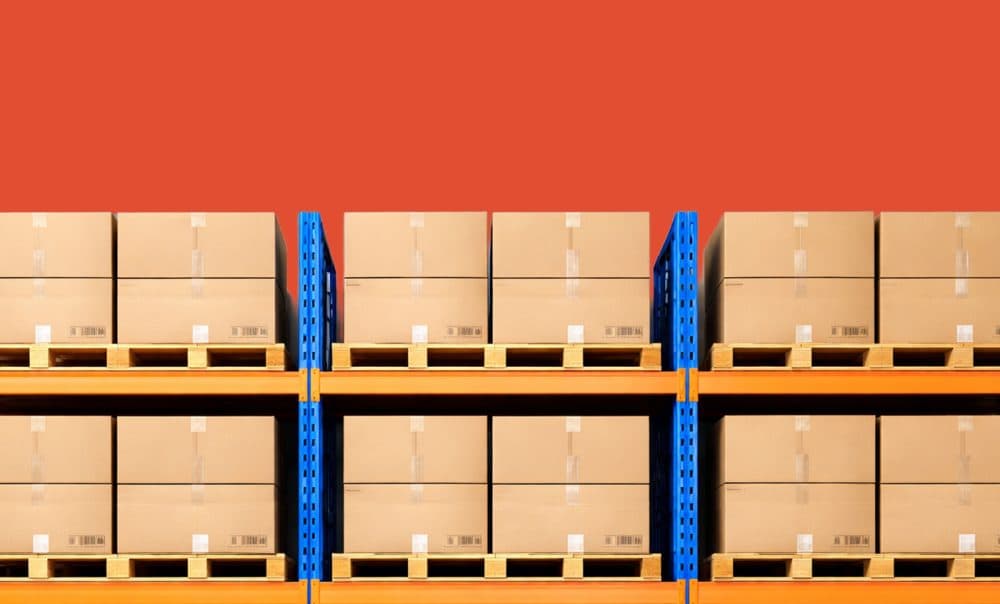
Target’s new Houston receive center was built to change how product reaches stores, and the first test of that shift is already in place. The 1.2 million-square-foot facility opened in late April as a place where vendors can send merchandise upstream, before it flows to six regional distribution centers and one flow center when replenishment is needed. For store leaders, that matters because the biggest win is not the building itself but what it could do to the day-to-day grind of inbound freight, backroom crowding, and timing on the sales floor.
The site cost about $265 million and created about 185 jobs, but its strategic value goes beyond a single facility. Target is using the Houston center to add flexibility early in the supply chain, especially for seasonal, bulky, and hard-to-forecast items that can throw off store operations when they arrive late or in the wrong volume. That makes the model especially relevant for categories such as toys, back-to-school merchandise, and home seasonal goods, where guests notice empty shelves fast and stores feel the pressure immediately.
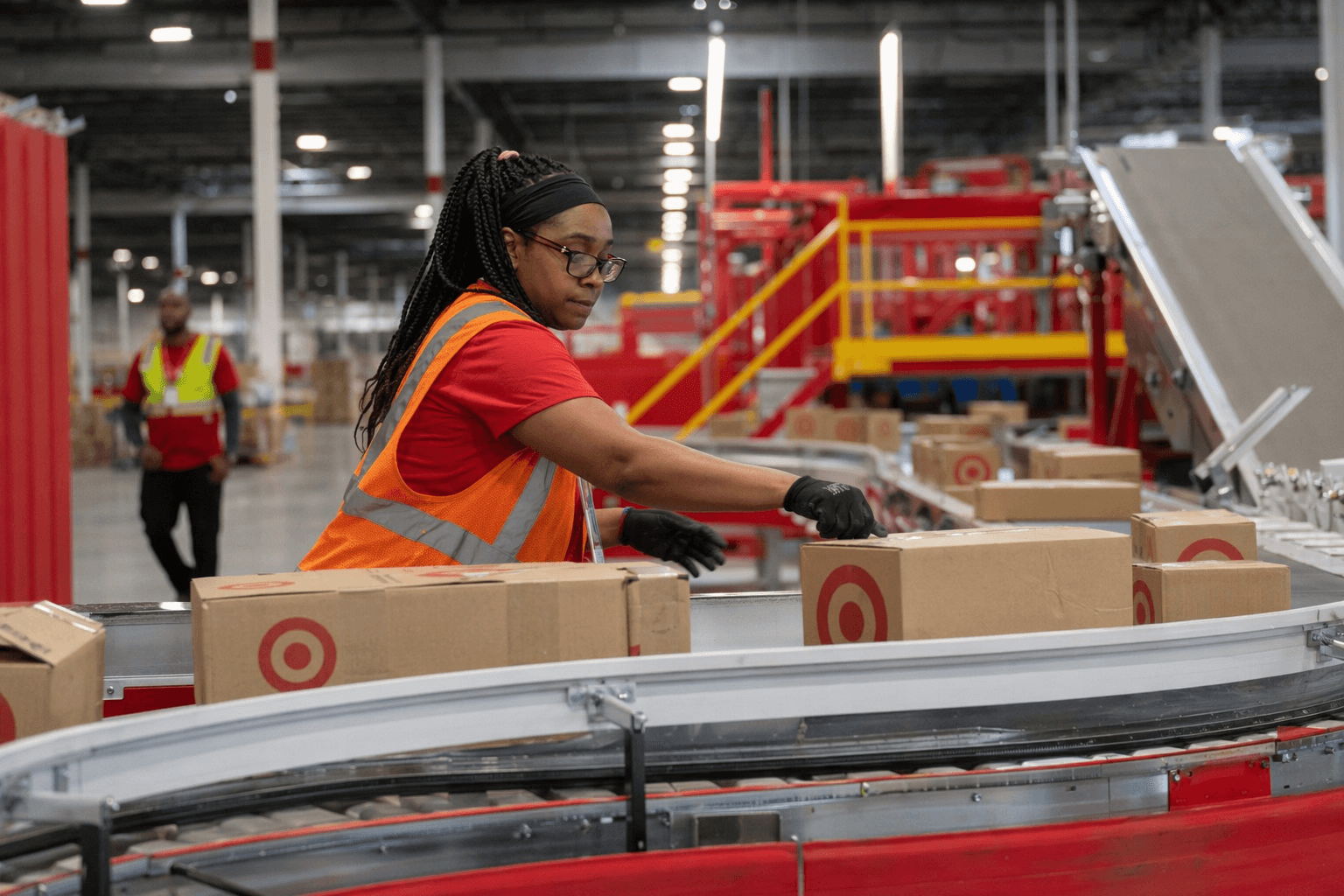
If the model works as planned, the effects could show up in quieter backrooms and better-timed replenishment. Store teams would spend less time dealing with overstuffed stockrooms, late trucks, and emergency resets caused by product arriving after the floor has already been set. Better inventory positioning upstream could also mean fewer out-of-stocks on the items that create the most frustration for team members trying to keep shelves full and guests from walking away empty-handed.
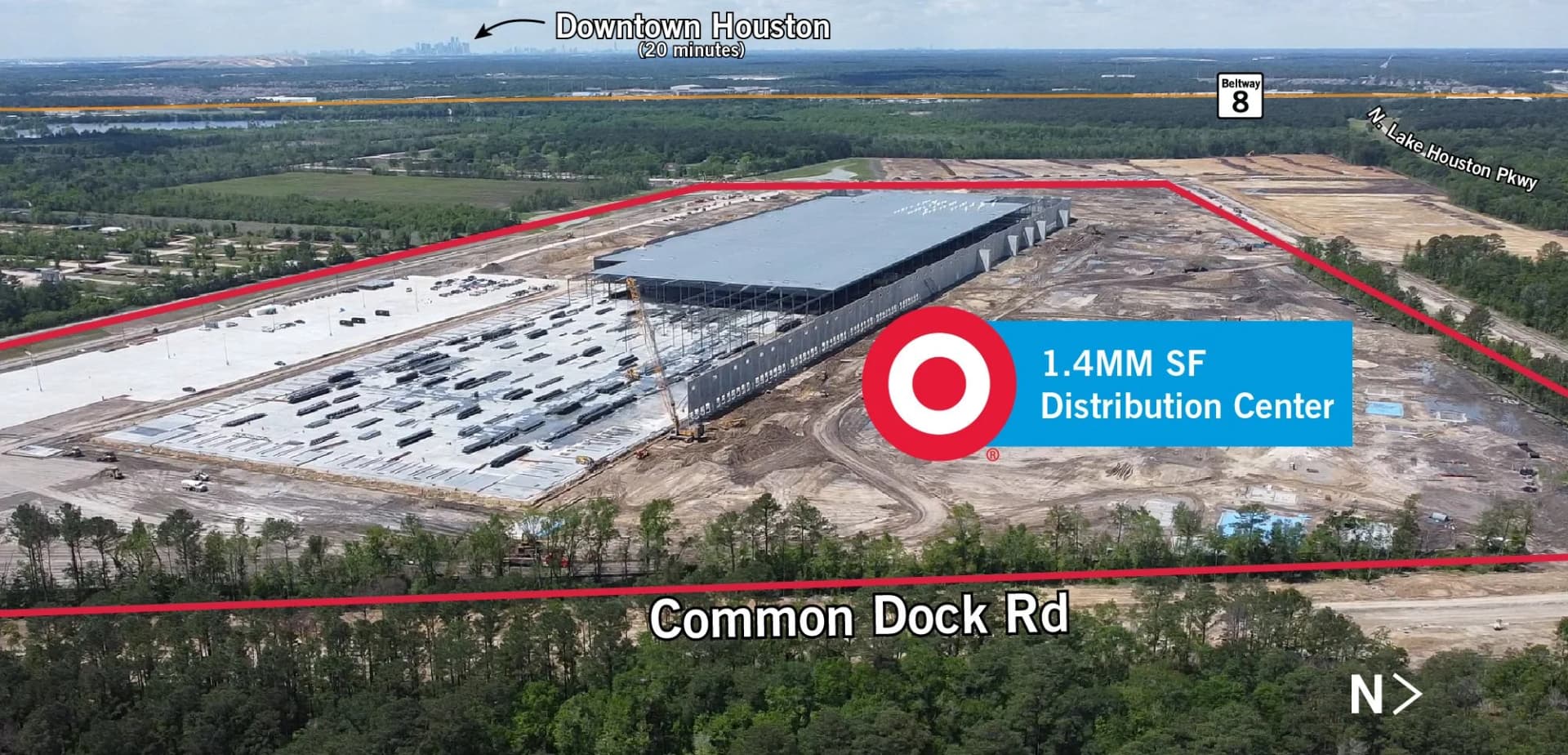
For Target, the Houston center also signals where the company may be headed next. The facility looks less like a one-off warehouse and more like a template the company could replicate if it proves out in practice. That would make the operational payoff larger than one market: smoother truck flow, less pressure on store teams, and a supply chain built to support a more reliable in-store experience as Target continues investing in operations and technology in 2026.
This article was produced by Prism’s automated news system from verified source data, official records, and press releases, then run through automated quality and moderation checks before publishing. The system is built and supervised by the people who set the standards it runs under. Read our full AI policy.
Did this article answer your question?