Twin Cities Clergy and Activists Stage Sit-Ins Pressuring Target to Oppose ICE
Clergy and immigrant-rights activists staged sit-ins and line-holding protests at Twin Cities Target stores to pressure the company to oppose ICE activity and protect workers and shoppers.

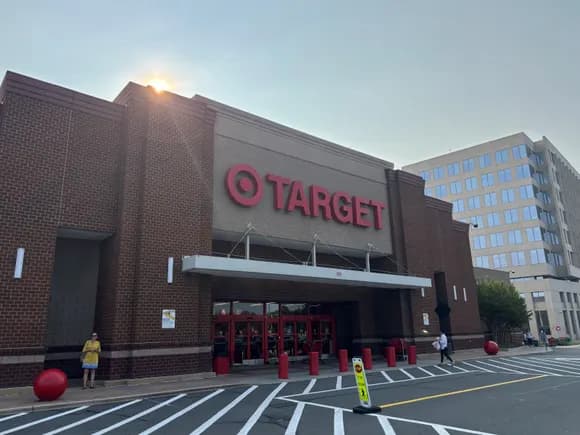
Clergy, immigrant-rights groups and community organizers staged sit-ins and demonstrations at multiple Target locations in the Twin Cities, including the downtown Minneapolis store and the company headquarters atrium, to demand that Target publicly oppose Immigration and Customs Enforcement activity near its stores and adopt stronger protections for employees and customers.
Organizers escalated tactics on Jan. 24, 2026, combining clergy-led sit-ins with salt-return "line-holding" protests meant to slow store operations. The pressure campaign intensified after videos circulated online showing federal agents detaining Target employees in Richfield and after other federal enforcement actions in Minneapolis. Local elected officials joined some of the public calls for corporate clarity and worker protections.
Protesters delivered a slate of specific demands to Target: post visible signage limiting unwarranted ICE entry into stores, train frontline employees on how to respond to federal agents who lack warrants, and publicly urge Congress or federal authorities to change enforcement practices that activists view as harmful to immigrant communities. Organizers said corporate silence is insufficient and are seeking explicit policies that govern interactions between law enforcement and Target property, employees and customers.
Target had not issued a public statement opposing ICE activity at the time of reporting. The demonstrations deliberately targeted both neighborhood stores and the corporate atrium to bring attention to policy gaps that organizers say leave workers exposed and customers uneasy. Salt-return "line-holding" tactics were intended to create visible disruption and force store managers and corporate leaders to confront the demands.

The protests touch on staff safety, store operations and workplace morale. Frontline employees often face the practical realities of encounters between customers, law enforcement and corporate policy, and activists argue that clearer rules and training could reduce confusion and potential retaliation. Managers may need to field longer lines and tense interactions during demonstrations, and stores could face short-term operational slowdowns. For employees who are undocumented or serve immigrant communities, the presence of federal agents near store property raises immediate concerns about personal safety and job security.
The campaign also draws on Target's recent corporate history. Activists referenced past consumer pressure campaigns and controversies the company has faced over diversity, equity and inclusion and Pride merchandise as markers of corporate responsiveness or resistance under public scrutiny. Organizers appear to be betting that renewed consumer and community pressure can push Target toward a public stance or new internal protections.
What comes next for workers and customers will hinge on whether Target issues new guidance, posts the requested signage, or implements training for staff. If corporate leaders remain silent, organizers have signaled further actions. For employees, the protests spotlight an acute workplace issue: how retail companies balance cooperation with law enforcement against the safety and rights of the people who work in and shop at their stores.
This article was produced by Prism’s automated news system from verified source data, official records, and press releases, then run through automated quality and moderation checks before publishing. The system is built and supervised by the people who set the standards it runs under. Read our full AI policy.
Did this article answer your question?